
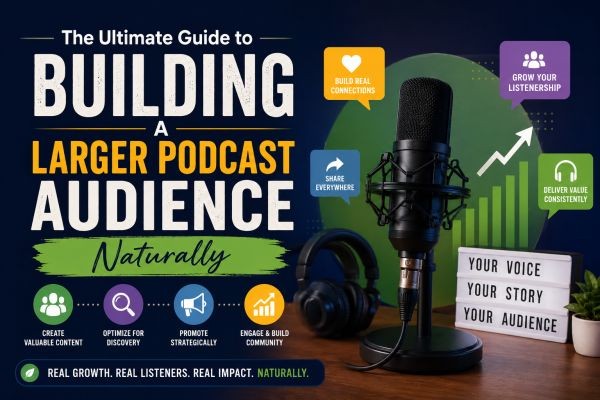
Launching a podcast is an exciting way to share ideas, tell stories, and connect with listeners who are interested in your niche. However, creating high-quality episodes is only the first step. The real challenge is attracting listeners and encouraging them to return for future episodes. With thousands of new podcasts appearing every year, growing an audience requires a thoughtful, long-term strategy rather than relying on shortcuts or paid promotions.
Building a larger podcast audience naturally means focusing on genuine engagement, valuable content, and consistent promotion across multiple channels. Organic growth may take more time than paid advertising, but it often leads to loyal subscribers who actively support your show, recommend it to others, and become part of your community.
This guide explores practical strategies that can help podcasters increase their audience naturally while building lasting relationships with listeners.
Create Content That Solves Real Problems
Every successful podcast begins with content that offers value. Before recording an episode, consider what your audience hopes to learn, discover, or experience. Whether your show focuses on business, health, technology, education, entertainment, or personal development, each episode should answer a question, solve a problem, or provide meaningful insights.
Develop a clear understanding of your target audience by identifying their interests, challenges, and goals. The better you understand your listeners, the easier it becomes to produce episodes they genuinely want to hear.
Consistency in quality is equally important. Well-researched topics, engaging conversations, and clear audio encourage listeners to stay until the end of each episode and return for future releases.
Define Your Podcast's Unique Voice
Thousands of podcasts cover similar subjects, but every creator brings a different perspective. Instead of trying to imitate popular hosts, focus on developing your own style.
Your unique voice may come from your storytelling approach, interviewing style, industry expertise, or personality. Authenticity helps listeners feel connected and makes your podcast more memorable.
When people recognize your distinctive style, they are more likely to subscribe and recommend your show to others.
Publish on a Consistent Schedule
One of the easiest ways to lose listeners is by publishing inconsistently.
Choose a schedule that you can realistically maintain, whether that means releasing new episodes every week, every two weeks, or once a month. Consistency builds trust because your audience knows when to expect new content.
Creating a content calendar can help you plan upcoming episodes, schedule interviews, and avoid long gaps between releases.
Optimize Episode Titles and Descriptions
Podcast directories rely heavily on titles and descriptions to help users discover new shows.
Each episode title should clearly communicate what listeners will gain. Instead of using vague or overly creative titles, focus on descriptive wording that includes relevant keywords naturally.
Your episode description should summarize the discussion while highlighting key takeaways. Include important topics, guest information when applicable, and a brief call to action encouraging listeners to subscribe or leave a review. If you're looking to expand your reach further, podcast marketing services can help improve your show's visibility, attract the right audience, and support long-term organic growth.
Thoughtful optimization improves discoverability without sacrificing readability.
Improve Audio Quality
Content is essential, but poor audio quality can discourage even the most interested listeners.
Investing in a reliable microphone, recording in a quiet environment, and editing episodes carefully creates a more enjoyable listening experience.
Good audio does not require an expensive studio. Many successful podcasters begin with affordable equipment and gradually upgrade as their audience grows.
Clear sound demonstrates professionalism and encourages listeners to stay engaged throughout each episode.
Encourage Listener Engagement
Audience growth depends not only on attracting new listeners but also on keeping existing ones engaged.
Invite listeners to participate by asking questions, requesting feedback, or encouraging them to submit topic suggestions.
Engagement can also include:
- Answering listener questions in future episodes.
- Featuring audience stories or experiences.
- Hosting question-and-answer sessions.
- Running polls on social media.
- Creating community discussions.
When listeners feel involved, they become more invested in your podcast and are more likely to recommend it to friends and colleagues.
Leverage Social Media Effectively
Social media provides an excellent opportunity to introduce your podcast to new audiences.
Instead of simply posting links to new episodes, create engaging content that sparks curiosity.
Examples include:
- Short video highlights
- Quote graphics
- Behind-the-scenes photos
- Episode previews
- Polls and questions
- Educational tips
Repurposing podcast content into smaller, shareable pieces increases visibility while directing users toward the full episode.
Focus on platforms where your target audience spends the most time rather than trying to maintain a presence everywhere.
Build Relationships with Other Podcasters
Collaboration is one of the most effective organic growth strategies.
Appearing as a guest on another podcast introduces you to an audience already interested in your niche. Likewise, inviting knowledgeable guests onto your own show provides fresh perspectives while encouraging guests to share the episode with their followers.
Strong relationships within the podcasting community create opportunities for cross-promotion, knowledge sharing, and long-term growth.
Choose collaborators whose audiences align with your content and values.
Develop a Dedicated Website
Although podcast directories are important, having your own website provides greater control over your content.
Your website can include:
- Episode archives
- Show notes
- Blog articles
- Guest profiles
- Contact information
- Newsletter sign-up forms
Publishing written summaries or transcripts also helps search engines understand your content, making it easier for potential listeners to discover your podcast through organic search.
A well-organized website strengthens your overall online presence and serves as a central hub for your audience.
Build an Email List
Social media algorithms change frequently, but an email list gives you direct access to your audience.
Encourage listeners to subscribe by offering valuable resources such as:
- Exclusive updates
- Bonus episodes
- Downloadable guides
- Early access to interviews
- Behind-the-scenes content
Regular newsletters help maintain engagement between episode releases while reminding subscribers about new content.
Email marketing supports long-term audience retention because you communicate directly with people who have already shown interest in your podcast.
Encourage Reviews and Ratings
Positive reviews increase credibility and improve visibility on many podcast platforms.
Rather than repeatedly asking for ratings, explain how reviews help your show reach more listeners.
A simple reminder at the end of each episode can encourage satisfied listeners to leave honest feedback.
Reviews also provide valuable insights into what your audience enjoys most about your content.
Repurpose Every Episode
Each podcast episode contains opportunities to create additional content.
Consider transforming episodes into:
- Blog posts
- Short videos
- Social media clips
- Infographics
- Email newsletters
- Quote images
Repurposing extends the lifespan of your content while helping you reach audiences who prefer different content formats.
One well-produced episode can generate weeks of promotional material without requiring entirely new ideas.
Analyze Performance Regularly
Understanding audience behavior helps you make informed decisions about future content.
Monitor metrics such as:
- Episode downloads
- Listener retention
- Popular topics
- Subscription growth
- Website traffic
- Referral sources
These insights reveal which episodes resonate most with your audience and where new listeners are discovering your show.
Use data to refine your strategy while continuing to experiment with new formats and ideas.
Stay Patient and Consistent
Organic podcast growth rarely happens overnight.
Many successful podcasts spend months—or even years—building loyal communities. Instead of focusing solely on download numbers, pay attention to engagement, listener feedback, and the quality of relationships you build.
Every episode contributes to your podcast's long-term value. Consistency, continuous learning, and a willingness to improve over time often produce stronger results than chasing short-term trends.
Remember that loyal listeners who genuinely enjoy your content are far more valuable than large audiences with little engagement.
Conclusion
Building a larger podcast audience naturally requires more than publishing episodes consistently. It involves understanding your audience, delivering valuable content, optimizing discoverability, encouraging engagement, and building genuine relationships across multiple platforms.
While organic growth takes time, it creates a foundation for sustainable success. By focusing on authenticity, quality, and continuous improvement, you can attract listeners who return regularly, recommend your podcast to others, and contribute to a thriving community around your show.






