
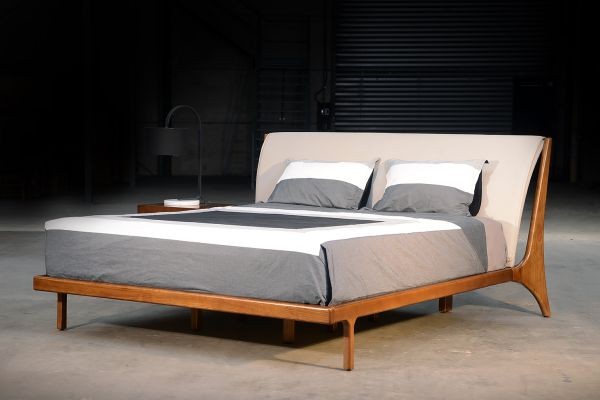
When it comes to furnishing a bedroom that balances durability, natural beauty, and timeless appeal, few choices rival the classic elegance of a timber bed frame. Whether you are moving into a new home, redecorating your master suite, or simply upgrading a guest room, a timber bed frame offers a warmth and sturdiness that metal or upholstered alternatives often struggle to match. Timber, as a material, has been used for centuries in furniture making, and for good reason, it is strong, renewable, and develops a rich character over time that adds personality to any space. From minimalist platform designs to ornate sleigh beds and sturdy four-posters, a timber bed frame can suit virtually any aesthetic, from rustic farmhouse to contemporary Scandinavian. Beyond aesthetics, choosing the right timber bed frame is an investment in your sleep quality, as a solid, well-constructed frame provides stable support for your mattress, reduces squeaks and creaks, and ensures you wake up feeling rested and refreshed. With so many options on the market, understanding the different types of timber, construction techniques, and finish options will help you make a choice that not only looks beautiful but also stands the test of time.
The type of timber used in your bed frame plays a crucial role in its durability, weight, and overall appearance. Hardwoods like oak, walnut, and maple are prized for their density and resistance to wear, making them ideal for frames that will see daily use for decades. Oak, for example, is known for its prominent grain patterns and ability to take stains and finishes beautifully, while walnut offers a deeper, richer tone that adds instant sophistication to any bedroom. Softwoods like pine and cedar are lighter and more affordable, making them popular choices for guest rooms or children's bedrooms, though they may be more susceptible to dents and scratches over time. Many manufacturers also offer engineered timber options, such as plywood or MDF with a timber veneer, which provide a similar look at a lower price point while still offering decent structural integrity. When selecting a timber bed frame, it is important to consider not just the visible surface but also the internal framework, as solid joinery, reinforced corners, and quality hardware are what truly determine the longevity of your bed. A well-made timber bed frame should feel heavy and solid, with no wobbling or shifting when you move on it.
Beyond material choice, the design and construction of a timber bed frame significantly affect both its functionality and visual impact. Platform beds, which feature a solid or slatted base that supports the mattress without the need for a box spring, are among the most popular modern styles due to their low profile and clean lines. These frames often incorporate storage options, such as built-in drawers or lift-up bases, maximizing space in smaller bedrooms. Sleigh beds, characterized by their curved headboards and footboards, offer a more traditional, luxurious feel that works beautifully in larger rooms with high ceilings. For those who love a commanding presence, four-poster timber bed frames add drama and grandeur, providing the option to drape curtains or simply stand as a stunning architectural centerpiece. Meanwhile, simpler panel or spindle designs strike a balance between classic and contemporary, offering versatility that adapts to changing decor trends. The height of the headboard and footboard, the thickness of the posts, and the spacing of the slats are all details that can transform the overall look of your timber bed frame, allowing you to tailor it to your personal style.
Sustainability is another compelling reason to choose a timber bed frame over other materials. Responsibly sourced timber, certified by organizations like the Forest Stewardship Council, ensures that your furniture comes from well-managed forests that prioritize reforestation and biodiversity. Many manufacturers now offer timber bed frames made from reclaimed or recycled wood, which not only reduces waste but also gives each piece a unique history and character that cannot be replicated. These eco-friendly options are increasingly popular among environmentally conscious consumers who want to furnish their homes without contributing to deforestation or excessive carbon emissions. Additionally, timber has a lower embodied energy compared to steel or aluminum, meaning its production and processing require less energy overall, further reducing its environmental footprint. When you invest in a timber bed frame, you are not just buying a piece of furniture; you are making a choice that supports sustainable practices and preserves natural resources for future generations.
Maintenance and care for a timber bed frame are relatively simple, which adds to its appeal as a long-term investment. Regular dusting with a soft cloth, along with occasional polishing using a suitable wood cleaner or wax, will keep the surface looking vibrant and protect it from moisture and UV damage. It is also advisable to check and tighten any hardware, such as bolts and screws, every few months to maintain stability and prevent squeaking. Should scratches or minor scuffs occur, many types of timber can be easily touched up with matching wood markers or repair kits, restoring the frame to its original beauty. Unlike upholstered frames that may trap dust mites and allergens, or metal frames that can rust or chip, a timber bed frame requires minimal ongoing effort to retain its appeal, making it a practical choice for busy households. With proper care, a quality timber bed frame can easily last a lifetime, becoming a cherished heirloom that is passed down through generations.
In terms of cost, timber bed frames span a wide range, making them accessible to virtually any budget. Entry-level options in pine or rubberwood offer excellent value for money, providing a solid, attractive frame at an affordable price point. Mid-range choices in oak or ash deliver a noticeable step up in quality and aesthetics, with richer grains and more refined finishes. At the premium end, exotic timbers like mahogany or teak, along with handcrafted, mortise-and-tenon joinery, command higher prices but reward you with unparalleled beauty and durability. When comparing prices, it is essential to consider the total cost of ownership, a cheaper frame that needs replacing every few years is ultimately more expensive than a well-built timber bed frame that lasts decades. Many retailers offer financing options, delivery and assembly services, and generous warranties that further enhance the value proposition. Ultimately, whether you are seeking a budget-friendly solution or a lifetime investment, the perfect timber bed frame is out there waiting to transform your bedroom into a sanctuary of comfort and style.






