
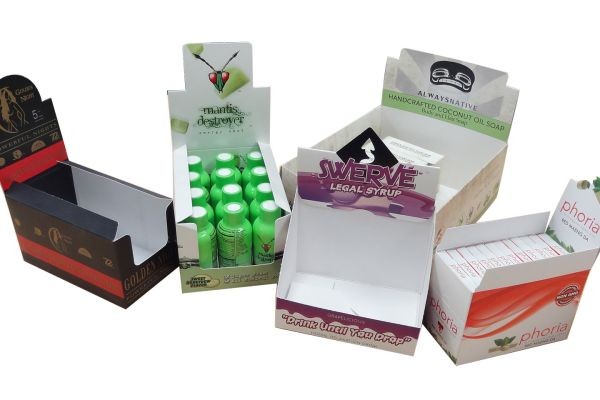
Point-of-sale (POS) environments are where purchase decisions are often made in seconds. As retail spaces become more competitive, packaging and display solutions at the counter have evolved into strategic tools that influence impulse buying, brand recall, and product discovery. Modern counter displays now balance visibility, durability, sustainability, and design efficiency to meet changing consumer expectations.
At the core of this evolution is point of sale packaging, which integrates product presentation with retail marketing objectives. Instead of acting as a simple holder, POS packaging is designed to communicate value quickly, guide shopper attention, and fit seamlessly within limited counter space.
The Shift Toward Experience-Driven POS Displays
Retailers are moving away from cluttered counters toward curated, experience-driven displays. Clean layouts, clear messaging, and intuitive product access are now priorities. This shift helps shoppers understand the product offering at a glance without overwhelming them.
Key changes driving this trend include:
- Increased focus on impulse purchases
- Shorter attention spans in-store
- Preference for organized and minimal displays
- Integration of packaging with brand storytelling
As a result, POS displays are expected to be visually appealing while remaining practical and compact.
Sustainability as a Core Design Principle
Sustainability has become a defining trend in POS packaging. Brands are increasingly adopting recyclable and biodegradable materials to reduce environmental impact and align with consumer values.
Common sustainable approaches include:
- Using recyclable cardboard instead of plastic
- Minimizing material thickness without losing strength
- Avoiding excessive coatings or laminations
- Designing displays for easy disassembly and recycling
Cardboard POS displays are especially popular due to their lightweight nature, recyclability, and adaptability to various shapes and sizes.
Durability Without Added Bulk
While sustainability is important, durability remains essential—especially in high-traffic retail environments. Displays must withstand repeated handling, restocking, and movement throughout the day.
Modern durable display boxes achieve this by:
- Reinforced bases and edges
- Smart folding structures that distribute weight
- Corrugated layers for added strength
- Secure locking tabs instead of adhesives
This balance ensures long-lasting performance without increasing material usage or shipping costs.
Visual Hierarchy and Brand Clarity
Effective POS displays rely on strong visual hierarchy. Shoppers should instantly recognize the product category, brand, and value proposition.
Design strategies commonly used include:
- Clear logo placement at eye level
- Consistent brand colors and typography
- Limited messaging focused on key benefits
- Strategic use of contrast to highlight products
Branded display packaging helps reinforce recognition and trust, especially when multiple products compete for attention in the same space.
Growth of Floor and Counter Displays
Retailers now use a mix of floor and counter displays to guide shopper movement and highlight promotions. While floor units are suitable for larger assortments, counter displays are ideal for compact products and impulse items.
Counter displays are trending because they:
- Fit easily near checkout areas
- Encourage last-minute purchases
- Require minimal store reconfiguration
- Are cost-effective for short campaigns
Floor and counter displays often work together to create a cohesive in-store merchandising strategy.
Modular and Flexible Display Designs
Flexibility is another major trend. Retailers prefer display units that can adapt to different product sizes, seasonal campaigns, or store layouts.
Popular modular features include:
- Adjustable shelves or compartments
- Stackable display components
- Interchangeable printed panels
- Fold-flat designs for easy storage
These features allow retailers to reuse displays across multiple campaigns without redesigning from scratch.
Minimalist Graphics With High Impact
Modern POS displays are moving away from overly busy designs. Minimalist graphics help products stand out while maintaining a premium feel.
Minimalist design elements often include:
- Neutral backgrounds with bold accents
- Simple icons instead of long text
- Matte finishes for reduced glare
- Focused messaging limited to one or two key points
This approach improves readability and reduces visual fatigue for shoppers.
Integration of Technology and Interactivity
Although still emerging, technology is starting to influence POS display trends. QR codes, NFC tags, and scannable links are being added to displays to extend engagement beyond the store.
These elements allow shoppers to:
- Access product details instantly
- Watch demos or tutorials
- Explore related products online
- Engage with loyalty or promotional programs
Technology-enhanced displays bridge the gap between physical retail and digital experiences.
Retail Efficiency and Logistics Considerations
From a business perspective, POS packaging must also support logistics and operations. Retailers value displays that are easy to assemble, transport, and restock.
Operational advantages of modern POS displays include:
- Tool-free assembly
- Lightweight construction for lower shipping costs
- Flat-packed designs for storage efficiency
- Clear product visibility for faster restocking
These efficiencies reduce labor time and operational friction in-store.
Strategic Role of Packaging Customization
As competition intensifies, brands look for ways to differentiate without increasing complexity. In this context, customized product packaging allows businesses to align POS displays with brand identity, product type, and retail environment while maintaining consistency across locations. Thoughtful customization enhances visibility and ensures displays remain relevant across campaigns.
When applied strategically, customized product packaging supports brand recognition, improves shopper engagement, and enhances overall merchandising performance without relying on aggressive promotion.
Final Perspective
Trends in point-of-sale packaging and counter displays reflect a broader shift toward efficiency, sustainability, and shopper-centric design. From durable materials and minimalist aesthetics to modular structures and interactive elements, modern POS displays are designed to perform multiple roles at once.
As retail environments continue to evolve, brands that invest in adaptable, well-designed POS solutions will be better positioned to capture attention, encourage impulse purchases, and deliver consistent brand experiences at the moment that matters most.






