
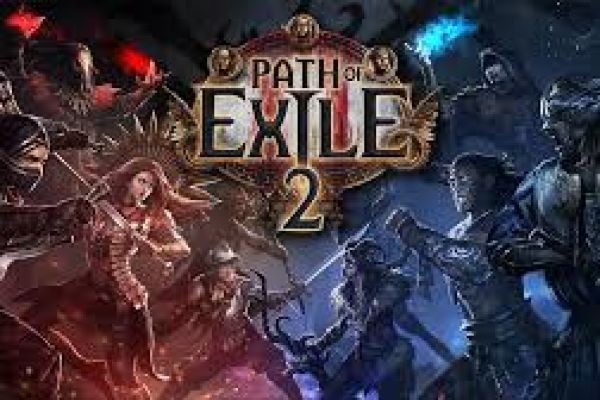
I've lost more evenings than I'd ever admit to the first Path of Exile, so I went into the sequel with that weird mix of hype and side-eye. After watching what GGG's building, though, it doesn't feel like a tidy upgrade. It feels like they tore the old thing down and kept only what mattered. Even little stuff—like how you'll chase PoE 2 Items and plan upgrades—seems designed to fit the new flow, not fight it. Wraeclast is still bleak and mean, but the moment-to-moment play looks cleaner, less fussy, and way more willing to punish sloppy decisions.
A campaign that actually feels new
The campaign isn't a remix of Act 1 through whatever. It's six brand-new acts, and it's stacked with boss fights—over a hundred, from what they've shown. That number sounds like marketing until you remember how PoE bosses are: mechanics, phases, awkward arenas, and the kind of damage spikes that make you sit up straight. The new engine work helps too. Lighting is doing a lot of heavy lifting, and the zones have more contrast and variety, so you're not just sprinting through grey-brown misery all night. It's still grim, just easier to read and a lot nicer to look at.
Buildcraft without the socket headache
Character building is still the main addiction. You've got twelve classes to start from, and the passive tree mindset isn't going away. The big shift is the gem system: support gems slot into the skill gem itself. No more staring at a chest piece for an hour, praying it rolls the right links before your build "turns on." You can swap skills and supports with less drama, test weird combos, and iterate faster. That's huge for regular players, not just the spreadsheet crowd. It also means drops can feel exciting again, instead of "good stats but wrong colors, so junk."
Combat that asks you to play, not just gear
The dodge roll changes the vibe right away. It's not a magic button, but it gives you a way to respond when a boss tells you, loud and clear, that something nasty is coming. Fights look more like a back-and-forth than a numbers check. Weapon identity matters more too—spears, crossbows, and other specific kits push you into different rhythms. You'll notice it when you swap gear and suddenly your whole plan needs adjusting. That's the fun kind of friction, the kind that makes you learn instead of just grind.
Endgame pressure and the long haul
When you hit maps, PoE's real personality shows up again: layered difficulty, reward tuning, and that constant question of how greedy you can be before the build folds. People will still chase perfect setups, but now it looks like you get more tools to shape the experience without wrestling the UI or your equipment. And yeah, the economy will matter—if you're short on time and want to keep pace, services like U4GM can be a practical option for picking up currency or items so you're spending more hours testing builds and fewer hours staring at empty stash tabs.






