
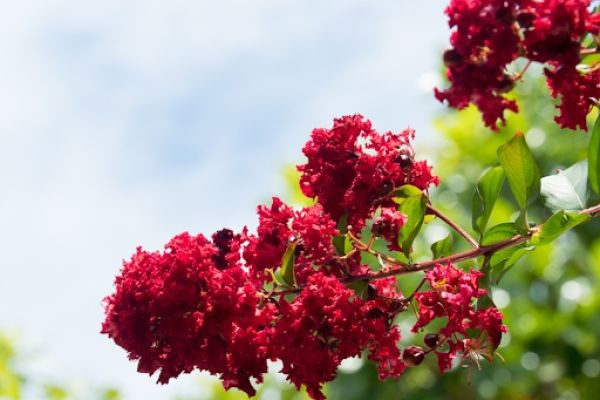
Flower gardens are incomplete without trees that bring color and vibrancy, and flowering trees are often the stars of any landscape. Their seasonal blooms, lush foliage, and ornamental value make them highly desirable for yards, parks, and streetscapes. Understanding bloom time, lifespan, and growth patterns is crucial when selecting flowering trees, as it ensures a harmonious and thriving outdoor space. By considering factors like flowering periods, tree longevity, and environmental requirements, gardeners can make informed choices that provide lasting beauty and ecological benefits.
Bloom Time and Seasonal Considerations
The bloom time of flowering trees varies widely depending on species, climate, and soil conditions. Some trees, like dogwoods and magnolias, bloom in early spring, offering a burst of color after winter. Others, such as crape myrtles or cherry trees, flower in late spring or summer, extending visual interest throughout the growing season. Understanding when a tree blooms allows gardeners to plan landscapes with continuous color and texture. Additionally, bloom duration differs among species, with some trees providing weeks of blossoms while others may bloom briefly but with intense vibrancy.
Growth Patterns and Size Expectations
Growth patterns and ultimate size are key factors when planting flowering trees. Slow-growing species may take years to reach full stature, while fast-growing varieties provide quicker shade and visual impact. Height and canopy spread should align with available space, preventing overcrowding or interference with structures. Soil type, sunlight exposure, and irrigation practices influence growth rate and health. Selecting the appropriate tree for your climate and garden size ensures that it thrives without requiring excessive maintenance or pruning.
Lifespan and Longevity
Lifespan varies considerably among flowering trees. Some ornamental trees may thrive for decades, while others offer shorter lifespans of 15 to 25 years. Proper care, including watering, fertilization, and pest management, can extend a tree’s longevity. Pruning dead or diseased branches supports overall health and encourages stronger growth. Understanding the expected lifespan helps gardeners plan succession planting and maintain a dynamic, visually appealing landscape over time. Combining species with different bloom times and lifespans creates continuous color while minimizing gaps in coverage.
Environmental and Maintenance Factors
Environmental conditions play a major role in the success of flowering trees. Soil fertility, drainage, and pH levels directly affect root health and flowering potential. Regular inspection for pests and diseases is essential, as infestations can reduce bloom quality and shorten lifespan. Mulching around the base retains moisture and protects roots from temperature extremes. Fertilizers rich in phosphorus encourage flower development, while nitrogen-heavy formulations may promote leafy growth at the expense of blooms. Selecting drought-tolerant or native species can reduce maintenance needs and support local ecosystems.
Planning for a Harmonious Landscape
Incorporating flowering trees into your garden requires careful planning. Consider bloom time, growth rate, and eventual size to create balance and prevent overcrowding. Mix species with complementary flowering seasons to maintain interest throughout the year. Proper spacing ensures adequate airflow and sunlight penetration, reducing disease risk. By combining diverse species, gardeners can enjoy extended flowering periods and healthy growth. Integrating trees thoughtfully with shrubs, groundcovers, and perennials enhances both aesthetics and biodiversity, providing year-round visual appeal and ecological benefits.
Conclusion
Selecting and caring for flowering trees involves understanding their bloom time, growth habits, and lifespan. Choosing the right species for your landscape ensures long-lasting beauty and a dynamic garden environment. Proper maintenance, including watering, fertilization, and pest management, supports robust growth and vibrant blooms. For gardeners seeking complementary plants, varieties like Iceberg roses offer a stunning addition to flowering trees, providing continuous color, fragrance, and garden interest throughout the all seasons.






