
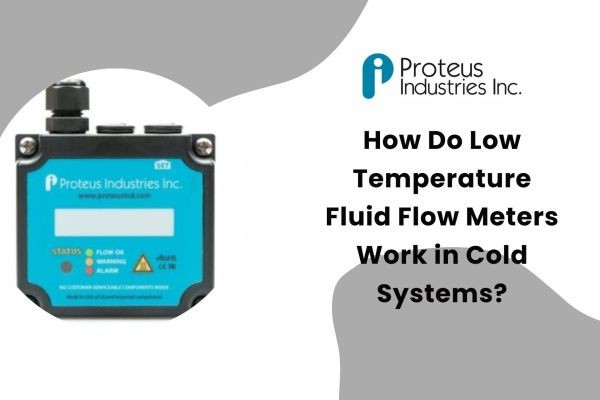
In cold environments, fluids behave very differently compared to normal temperature conditions. As temperatures drop, viscosity increases, making fluids thicker and more resistant to flow. At the same time, density can also change, which directly impacts how fluids move through pipes and systems. These variations can make it difficult to maintain consistent and accurate flow readings, especially in industrial setups where precision is critical.
When working with a low temperature fluid flow meter, understanding these fluid property changes becomes essential for proper measurement. Engineers must account for slower flow rates, potential freezing points, and pressure variations. Without this knowledge, even advanced equipment may produce inaccurate data. That’s why analyzing fluid behavior is always the first step in ensuring reliable performance in cold systems.
Core Working Mechanisms of Flow Meters in Cold Systems
Flow meters operate on different principles depending on their type, but in low temperature systems, their working mechanisms must adapt to challenging conditions. Some rely on mechanical movement, while others use advanced technologies like vibration, sound waves, or electromagnetic signals to measure flow. Each method reacts differently when exposed to cold temperatures, which can influence measurement accuracy.
In such environments, the internal components of flow meters must function smoothly despite reduced fluid mobility. For example, sensors need to detect even slight changes in flow, while electronics must remain stable despite temperature fluctuations. Understanding these mechanisms helps users choose the right device and ensures that measurements remain consistent even under extreme cold conditions.
Types of Flow Meters Suitable for Low Temperature Applications
There are several types of flow meters designed to perform effectively in low-temperature conditions. Turbine flow meters, Coriolis flow meters, and ultrasonic flow meters are among the most commonly used. Each type offers unique advantages depending on the application, fluid type, and required level of accuracy.
For instance, Coriolis meters are highly accurate and can measure mass flow directly, making them suitable for critical applications. Ultrasonic meters, on the other hand, are non-invasive and work well with clean fluids. Selecting the right type depends on factors such as fluid properties, system design, and environmental conditions, ensuring optimal performance in cold systems.
Key Components That Enable Accurate Measurement in Cold Environments
The performance of flow meters in cold conditions largely depends on their internal components. Materials used in construction must withstand low temperatures without becoming brittle or losing functionality. Sensors, transmitters, and seals all play a crucial role in maintaining measurement accuracy.
Additionally, insulation and protective coatings help prevent heat loss and protect sensitive components from extreme cold. Advanced electronics also ensure that signals remain stable and reliable. By focusing on these key components, manufacturers can design flow meters that deliver consistent results even in harsh environments.
Common Challenges Faced in Low-Temperature Flow Measurement
Measuring fluid flow in low-temperature systems comes with several challenges. One of the most common issues is the risk of fluid freezing, which can block pipes and disrupt measurement. Increased viscosity can also lead to slower flow rates, making it harder for flow meters to detect changes accurately.
Another challenge is maintaining calibration and signal stability. Temperature fluctuations can affect sensor performance and lead to measurement errors. Additionally, materials may contract or become less flexible in cold conditions, impacting the overall reliability of the system. Addressing these challenges is essential for achieving accurate and consistent results.
Techniques to Improve Accuracy and Efficiency in Cold Systems
Improving accuracy in low-temperature systems requires a combination of proper equipment selection and effective operational practices. Regular calibration is crucial to ensure that flow meters provide accurate readings. Installing the device correctly and maintaining optimal flow conditions can also significantly enhance performance.
Other techniques include using insulation to maintain stable temperatures, selecting materials designed for cold environments, and implementing advanced monitoring systems. These steps help minimize errors and ensure that the system operates efficiently, even under challenging conditions.
Industrial Applications of Low Temperature Fluid Flow Meters
Low-temperature flow meters are widely used across various industries where precise fluid measurement is critical. In the oil and gas industry, they are essential for monitoring the flow of cryogenic liquids. In chemical processing, they help maintain accurate measurements for temperature-sensitive reactions.
Other applications include food and beverage processing, pharmaceutical manufacturing, and refrigeration systems. In each of these industries, maintaining accurate flow measurement is crucial for safety, efficiency, and product quality. This highlights the importance of reliable flow meters in cold environments.
Why Choose Our Expertise for Low Temperature Flow Meter Solutions
Choosing the right partner for flow meter solutions can make a significant difference in system performance. Expertise in handling low-temperature applications ensures that the right equipment is selected and properly implemented. With a deep understanding of fluid behavior and system requirements, reliable solutions can be delivered for even the most complex challenges.
Our approach focuses on precision, quality, and long-term reliability. From helping you choose the right flow meter to providing ongoing support, every step is designed to meet your specific needs. This ensures that your system operates efficiently and delivers accurate results, even in demanding cold environments.
Conclusion: Ensuring Reliable Flow Measurement in Cold Conditions
Accurate flow measurement in low-temperature systems requires a thorough understanding of fluid behavior, equipment functionality, and environmental challenges. By selecting the right flow meter and implementing best practices, it is possible to achieve consistent and reliable results.
Ultimately, investing in the right technology and expertise ensures improved system performance and long-term efficiency. With proper planning and the right solutions, industries can overcome the challenges of cold environments and maintain accurate fluid measurement at all times.






