
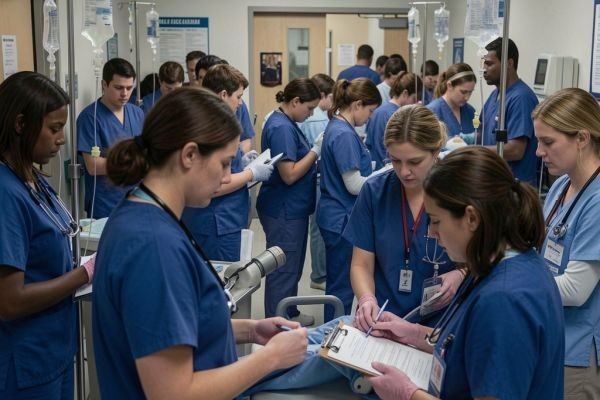
When a medical emergency strikes, every second matters. Trauma-related injuries require immediate, specialized attention that goes beyond standard urgent care services. From severe accidents to life-threatening internal injuries, trauma centers are designed to handle high-risk situations with speed, precision, and expertise. Knowing how these facilities operate, what services they provide, and when to seek them can make a crucial difference in outcomes.
This guide explores how trauma emergency services function in the United States, what sets them apart, and how individuals and families can make informed decisions during critical moments.
What Is a Trauma Emergency Room?
A trauma emergency room is a specialized medical facility equipped to treat severe and life-threatening injuries. Unlike general emergency departments, trauma ERs are staffed with highly trained trauma surgeons, emergency physicians, anesthesiologists, and critical care specialists who are available around the clock.
These facilities are designed to stabilize patients quickly, manage complex injuries, and provide immediate surgical intervention when necessary. Trauma ERs follow strict protocols developed by organizations like the American College of Surgeons (ACS) to ensure consistent and high-quality care.
Levels of Trauma Centers in the United States
Trauma centers in the U.S. are categorized into different levels based on their capabilities and available resources. Understanding these levels helps patients recognize the type of care they can expect.
Level I Trauma Centers offer the highest level of care. They provide comprehensive services, including 24/7 surgical teams, advanced imaging, and research programs. These centers often serve as regional hubs for trauma care.
Level II Trauma Centers provide similar services but may not have the same level of research or residency programs as Level I centers. They are fully equipped to handle most trauma cases.
Level III Trauma Centers focus on stabilizing patients and may transfer them to higher-level facilities if needed. They play a vital role in rural and suburban areas.
Level IV and V Trauma Centers provide initial evaluation and stabilization, especially in remote locations, before transferring patients to more advanced centers.
Common Conditions Treated in Trauma ERs
Trauma emergency rooms handle a wide range of critical conditions. Some of the most common include:
Severe head injuries, including traumatic brain injuries (TBI), which affect millions of Americans each year according to the Centers for Disease Control and Prevention (CDC).
Spinal cord injuries that can lead to partial or complete paralysis.
Internal bleeding caused by blunt or penetrating trauma, often requiring immediate surgical intervention.
Multiple fractures or complex orthopedic injuries resulting from car accidents or falls.
Severe burns that require specialized care and monitoring.
Chest trauma, including collapsed lungs or cardiac injuries.
These conditions require rapid diagnosis and treatment, often within the “golden hour,” a term used to describe the first 60 minutes after a traumatic injury when prompt care significantly increases survival chances.
How Trauma Emergency Rooms Operate
Trauma ERs follow a systematic approach to patient care known as Advanced Trauma Life Support (ATLS). This protocol ensures that life-threatening conditions are identified and treated in order of priority.
Upon arrival, patients undergo triage, where medical staff assess the severity of injuries. Critical cases are immediately taken to resuscitation areas, where teams work simultaneously to stabilize vital signs, control bleeding, and secure airways.
Diagnostic tools such as CT scans, X-rays, and ultrasound are used to quickly identify internal injuries. In many cases, surgical teams are already on standby, ready to perform emergency procedures without delay.
The coordination between emergency medical services (EMS), trauma teams, and specialists ensures a seamless transition from the accident scene to definitive care.
Importance of Rapid Access to Trauma Care
Time is the most critical factor in trauma situations. Studies show that patients who receive care at a trauma center within the first hour have significantly higher survival rates compared to those treated at non-specialized facilities.
In urban areas, access to trauma centers is relatively quick due to well-developed EMS systems. However, in rural regions, delays can occur due to distance and limited resources. This is why air ambulance services and telemedicine consultations have become increasingly important in bridging the gap.
When searching for immediate help, many individuals rely on online queries like trauma emergency room near me to locate the nearest facility capable of handling serious injuries. Having prior awareness of nearby trauma centers can save valuable time during emergencies.
Key Features of Advanced Trauma Facilities
Modern trauma emergency rooms are equipped with advanced technology and infrastructure designed for high-efficiency care. Some notable features include:
Dedicated trauma bays with life-saving equipment readily available.
On-site operating rooms for immediate surgical intervention.
Advanced imaging systems for rapid diagnosis.
Blood banks for emergency transfusions.
Specialized intensive care units (ICUs) for post-surgical recovery.
Facilities like Aether Health emphasize patient-centered care, combining advanced technology with experienced medical teams to ensure optimal outcomes. Their focus on efficiency and compassion helps reduce wait times and improve patient experiences during stressful situations.
Role of Trauma Teams and Specialists
Trauma care involves a multidisciplinary approach. Each member of the trauma team plays a specific role in managing critical cases.
Emergency physicians lead the initial assessment and stabilization process.
Trauma surgeons perform complex surgical procedures when needed.
Nurses trained in trauma care assist with monitoring and treatment.
Radiologists provide rapid imaging interpretations.
Anesthesiologists manage pain and sedation during procedures.
This coordinated effort ensures that patients receive comprehensive care from the moment they arrive until they are stabilized and transferred to appropriate units for recovery.
Statistics Highlighting the Need for Trauma Care
Trauma remains one of the leading causes of death in the United States, particularly among individuals under the age of 45. According to the CDC:
Injuries account for over 200,000 deaths annually.
Motor vehicle crashes are a major contributor to trauma-related fatalities.
Falls are the leading cause of injury among older adults.
Violence-related injuries also contribute significantly to trauma cases.
These statistics underscore the importance of accessible and efficient trauma care systems across the country.
When to Visit a Trauma Emergency Room
Not all emergencies require trauma-level care, but certain situations demand immediate attention at a specialized facility. You should seek trauma care if you or someone else experiences:
Loss of consciousness following an injury.
Severe bleeding that cannot be controlled.
Difficulty breathing or chest pain after trauma.
Signs of stroke or neurological impairment.
Severe burns or electrical injuries.
Multiple injuries from accidents or falls.
Recognizing these signs early and acting quickly can prevent complications and save lives.
Preparing for Emergency Situations
While emergencies are unpredictable, being prepared can make a significant difference. Consider the following steps:
Know the locations of nearby trauma centers in your area.
Keep emergency contact numbers easily accessible.
Learn basic first aid and CPR techniques.
Ensure that family members understand what to do in case of an emergency.
Having a plan in place reduces panic and enables faster decision-making during critical moments.
The Patient Experience in Trauma Care
Trauma situations can be overwhelming for both patients and their families. Modern trauma centers aim to provide not only medical treatment but also emotional support throughout the process.
Clear communication from medical staff helps families understand the situation and treatment plan. Many facilities also offer counseling services and support systems to help patients cope with the aftermath of traumatic injuries.
Recovery often involves rehabilitation, physical therapy, and follow-up care, which are essential for regaining strength and functionality.
Innovations in Trauma Emergency Medicine
Advancements in medical technology continue to improve trauma care outcomes. Some notable innovations include:
Point-of-care ultrasound for rapid bedside diagnostics.
Telemedicine consultations for remote areas.
Robotic-assisted surgeries for precision and reduced recovery time.
Improved blood clotting agents and transfusion techniques.
Artificial intelligence is also being integrated into emergency care systems to predict patient outcomes and assist in decision-making.
These innovations are transforming how trauma care is delivered, making it faster, safer, and more effective.
Why Choosing the Right Facility Matters
Selecting the right trauma center can significantly impact recovery and survival rates. Facilities with experienced staff, advanced equipment, and efficient protocols are better equipped to handle complex cases.
Aether Health stands out by offering comprehensive emergency services tailored to patient needs. Their commitment to high-quality care and rapid response ensures that patients receive timely and effective treatment.
Final Thoughts
Trauma emergency rooms play a vital role in saving lives and reducing the impact of severe injuries. With specialized teams, advanced technology, and structured protocols, these facilities provide critical care when it matters most.
Understanding how trauma centers operate, recognizing when to seek help, and being prepared for emergencies can make a life-saving difference. Whether dealing with accidents, sudden injuries, or life-threatening conditions, having access to reliable trauma care ensures peace of mind and better outcomes for individuals and families alike.






