
Introduction
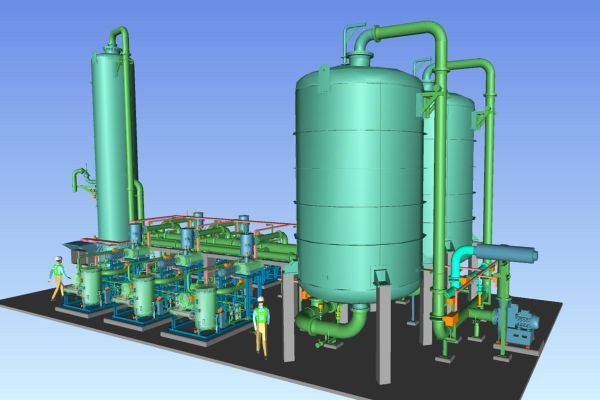
The Vapour Recovery Units Market Barriers are influenced by high capital requirements, technical complexity, integration difficulties, maintenance needs, energy consumption, and limited access to specialized expertise. Vapour recovery units are increasingly used in oil and gas, refining, petrochemical, chemical, and storage facilities to capture vapours generated during storage, processing, loading, unloading, and transportation.
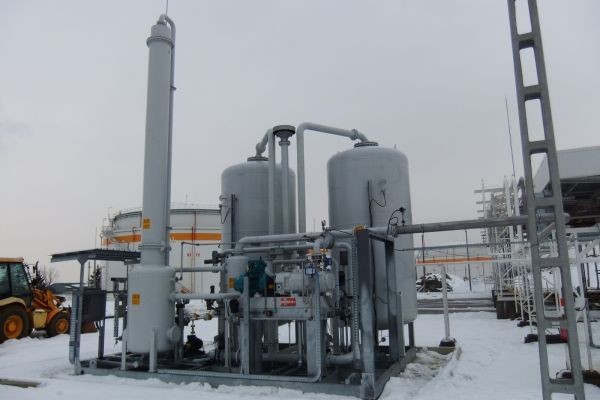
As industrial operators move toward automated and digitally connected recovery solutions, overcoming these barriers is becoming important for broader technology adoption. Equipment manufacturers are focusing on simpler installation, improved efficiency, modular designs, and advanced monitoring to address these limitations.
High Initial Investment
One of the most important Vapour Recovery Units Market Barriers is the cost of purchasing and installing advanced equipment. A complete recovery system may require compressors, pumps, condensers, piping, sensors, automated valves, control systems, and safety equipment.
The total project cost can become particularly high when existing facilities require extensive modifications.
Smaller industrial operators may therefore postpone investments or select simpler vapour management approaches because of budget limitations.
Complex Installation Requirements
Installing a vapour recovery unit is not always a straightforward process. Equipment must be properly connected to storage tanks, pipelines, process systems, electrical infrastructure, and automation platforms.
Existing facilities may require significant engineering modifications before a modern recovery system can be installed.
Complex installation requirements can increase project timelines, engineering costs, and commissioning efforts.
Integration with Legacy Systems
Many industrial facilities continue to use older automation and control infrastructure. Modern recovery units may require communication with programmable controllers, plant monitoring systems, and centralized control platforms.
Compatibility issues can arise when new equipment needs to communicate with legacy systems.
Additional hardware, software, or engineering modifications may therefore be necessary to achieve reliable integration.
Limited Installation Space
Space availability can be another significant barrier, particularly in older refineries, terminals, and processing plants.
A recovery installation may require compressors, cooling equipment, piping, control panels, and supporting components. Limited space can make equipment placement difficult.
Manufacturers are responding through compact and modular system designs, but reducing the footprint while maintaining performance can require additional engineering.
Variable Vapour Conditions
Vapour streams can change according to pressure, temperature, flow rate, concentration, and material composition.
These variations can affect recovery efficiency and equipment selection. A system designed for one set of operating conditions may require additional controls or customization when process conditions change.
Application-specific engineering can increase project complexity and cost.
Energy Consumption
Energy requirements can create another barrier to adoption. Compression, cooling, pumping, and other recovery processes can increase electricity consumption.
Industrial operators increasingly evaluate equipment according to total operating costs.
Manufacturers therefore need to develop systems that provide effective recovery while minimizing energy requirements through efficient components and intelligent controls.
Maintenance Requirements
Vapour recovery systems include mechanical, electrical, and electronic components that require regular maintenance.
Compressors, valves, sensors, filters, pumps, and control systems can experience wear or require periodic servicing.
Facilities without suitable maintenance resources may find advanced systems more difficult to manage, particularly when specialized components or technical expertise are required.
Shortage of Skilled Personnel
Modern recovery systems increasingly combine mechanical equipment with automation and digital technologies.
Operating and maintaining these systems may require technicians with knowledge of process equipment, instrumentation, controls, and industrial networking.
A shortage of specialized personnel can make implementation and long-term operation more challenging.
Training programs can help address this issue, but they may require additional time and investment.
Operational Disruption During Upgrades
Retrofitting an existing facility can involve piping changes, equipment installation, electrical modifications, and control-system integration.
These activities may require temporary operational restrictions or planned shutdowns.
Facilities with continuous production or high utilization rates may be reluctant to undertake projects that could interrupt normal operations.
Technology Selection Complexity
Industrial users have several recovery technologies to consider, including compression, condensation, adsorption, absorption, membrane separation, and hybrid systems.
Each technology has different advantages and operating requirements.
Selecting the most suitable system requires careful evaluation of vapour composition, flow, pressure, temperature, capacity, energy consumption, maintenance, and lifecycle costs.
This technical complexity can slow purchasing decisions.
Cybersecurity and Digital Integration
As recovery systems become connected to industrial networks, cybersecurity can become an additional barrier.
Remote monitoring and digital control features provide operational advantages but also require appropriate access controls and network protection.
Industrial operators may need additional cybersecurity infrastructure when integrating connected recovery equipment into existing digital environments.
Supply Chain and Component Availability
Recovery systems depend on various specialized components, including compressors, sensors, valves, controllers, and other equipment.
Delays in component availability can affect manufacturing and installation schedules.
Supply chain disruptions can also increase project costs and make maintenance more difficult if replacement components are not readily available.
High Customization Requirements
Industrial facilities often have different vapour characteristics, equipment layouts, operating pressures, and capacity requirements.
This can limit the use of completely standardized systems.
Customization can improve application suitability but may increase engineering effort, production costs, delivery timelines, and installation complexity.
Lifecycle Cost Considerations
The initial purchase price does not represent the complete cost of owning a vapour recovery system.
Operators also need to consider:
- Energy consumption
- Maintenance
- Replacement parts
- Technical support
- Automation upgrades
- Monitoring systems
- Equipment downtime
A system that appears affordable initially may have higher long-term operating expenses.
Conclusion
The Vapour Recovery Units Market Barriers include high initial investment, installation complexity, legacy-system integration, limited space, variable vapour conditions, energy consumption, maintenance requirements, skilled workforce shortages, operational disruption, cybersecurity concerns, and supply chain limitations.
Addressing these barriers will require continued development of compact, modular, energy-efficient, and automation-compatible recovery systems. Simplified installation, remote diagnostics, predictive maintenance, and comprehensive technical support can also help industrial operators overcome adoption challenges.






