
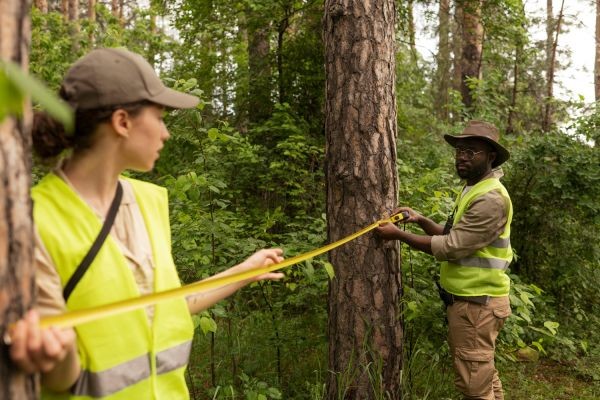
Vermont’s forest management plan isn’t just a set of rules—it’s more like a practical guide for taking care of the state’s 4.3 million acres of woods. That’s about two-thirds of Vermont’s land, so it’s everywhere you look. These forests matter big time: they fuel the economy, shelter tons of wildlife, and honestly, they’re a core part of what makes Vermont, well, Vermont. Vermont’s forest management plan covers everything from logging and wildlife to clean water, outdoor fun, and climate change. And it’s not just talk—there’s a real system for keeping an eye on things and changing course if something’s off. The main goal: get everyone—government, landowners, nonprofits, town folks—on the same page so people can use the woods for different things without wrecking what makes them special.
Core Goals and Principles
The plan zeroes in on four big things: keeping the local timber industry thriving, protecting habitats for Vermont’s native plants and animals (like the Canada lynx and Bicknell’s thrush), making sure rivers and lakes stay clean, and boosting the forests’ ability to store carbon and fight climate change. It all starts with respect for the land and a belief that people should have fair access, whether they’re logging, hiking, or keeping traditions alive. There’s a push to look at how forests connect across the landscape, so animals can move and plants can spread, plus a focus on saving woods that matter to local culture.
Regulations and Planning
There’s a maze of laws—state, federal, local—all working together. The Vermont Forest Act, Endangered Species Act, local zoning rules, you name it. Every five years, they update the plan, using the latest science and gathering input from folks on the ground. It kicks off with a deep dive forest inventory: satellites, lidar, boots in the mud—whatever it takes to map out the trees, track what’s growing, figure out what areas have been stressed or disturbed. This helps decide where logging is okay, where conservation matters most, and where forests can use a little help bouncing back. Public meetings and workshops aren’t just a checkbox—they’re a way to make sure loggers, conservationists, Indigenous peoples, and recreation fans have a real say.
Silviculture and Best Practices
Managing forest growth, aka silviculture, is at the center. Different places need different strategies; sometimes they clear-cut and replant where fast-growing, valuable trees like sugar maple and northern hardwoods can thrive. Other spots need selective logging or shelterwood cuts to keep things healthy and protect wildlife. Careful logging—using methods like directional felling and cable systems—helps keep understory plants safe and stops streams from getting clogged. After the trees come down, it’s about prepping the site, planting native seedlings, and fencing off the area so young trees have a fighting chance.
Water and Soil Protection
Vermont’s woods are the front line for keeping water clean. The plan requires leaving buffer zones—100 feet minimum—by streams to soak up sediment and nutrients, and keep the water cool for fish like brook trout. If the slope’s steep or the soil’s fragile, buffers get even wider. New roads stick to old corridors, and erosion-control mats go down where slopes get risky. Fire isn’t common here, but with climate change, risks are creeping up, so forest managers are prepping just in case.
Climate and Carbon
Climate change isn’t some distant threat—Vermont’s plan has real steps to deal with it. They’re picking a mix of tree species, including ones suited for warmer, drier weather (think red oak, black cherry). There are experimental projects to see if climate-adapted trees can make it here. Landowners now track how much carbon the woods hold, so they can jump into state carbon credit programs and get paid for keeping forests intact.
Engagement and Economics
This only works if everyone’s pulling together. There’s a Forest Management Advisory Council leading the charge, backed by regional and local groups. They’re on the ground with tech help, financial incentives, and education. For timber folks, the plan points to market trends and ways to make logging profitable without losing sight of what the forests need. Conservation groups get support for finding high-value woods, setting up easements, and policing compliance. Recreation gets attention too, with trail guidelines that keep paths open but habitats safe.
Monitoring and What’s Next
No one’s just guessing here; Vermont’s got a tight monitoring system. They check timber yields, species counts, water quality, carbon levels, all tracked year after year with remote sensors and field work. Numbers go public, so anyone can see how the forests are doing. If something goes wrong—say water quality dips—they tweak the rules for logging or widen streamside buffers. New tech is coming, like drones to spot sick trees and machine learning to predict pest outbreaks. The plan doesn’t just sit on a shelf; it keeps changing to match how the forests, economy, and people evolve.
Bottom line: Vermont’s forest management plan is a solid mix of clear targets, teamwork, and science-based action. It’s all about keeping the woods healthy—and valuable—for everyone, now and way down the road.






