
Virtual Tourism Market Overview
The Virtual Tourism Market is rapidly transforming the global travel and hospitality landscape by integrating immersive technologies such as virtual reality (VR), augmented reality (AR), and 360-degree visualization tools. As digital experiences become more sophisticated and accessible, virtual tourism is emerging as a compelling alternative and complement to traditional travel. The market is witnessing widespread adoption across tourism boards, travel agencies, educational institutions, and real estate sectors, enabling users to explore destinations remotely with enhanced interactivity.
Market Outlook and Forecast
The virtual tourism market is poised for significant expansion, driven by technological innovation and evolving consumer preferences for experiential digital engagement. In 2025, the market is valued at USD 9.49 Billion and is projected to reach USD 82.89 Billion by 2035, reflecting a robust growth trajectory. The market is expected to grow at a CAGR of 24.2% between 2026 and 2035, fueled by advancements in immersive content and increasing internet penetration globally.
Regional Performance Highlights:
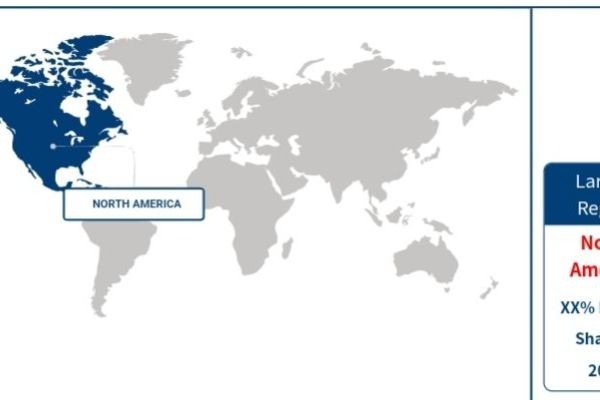
- North America: This region dominates the virtual tourism market due to early adoption of VR/AR technologies, strong presence of tech companies, and high consumer spending on digital experiences. The U.S. leads in deploying virtual travel platforms across museums, national parks, and urban tourism initiatives.
- Europe: Europe is witnessing steady growth, supported by government initiatives promoting digital heritage preservation and virtual museum tours. Countries like France, Italy, and the UK are leveraging virtual tourism to enhance cultural accessibility.
- Asia Pacific: Asia Pacific is emerging as the fastest-growing region, driven by rising smartphone penetration, expanding middle-class population, and increasing investments in digital infrastructure. Countries such as China, Japan, and India are integrating virtual tourism into education and travel sectors.
Market Segmentation Analysis:
- Segment 1 – 3D Virtual Tours: The 3D virtual tours segment contributed a dominant 48.41% share in 2025, driven by its ability to deliver highly immersive and interactive experiences. These tours are widely used in tourism promotion, real estate showcases, and educational applications.
- Segment 2 – Tourism Segment: The tourism segment accounted for 41.2% of the market share in 2025, highlighting the growing reliance of travel agencies and tourism boards on virtual platforms to attract and engage travelers before actual visits.
Request Free Sample Report @ https://www.fundamentalbusinessinsights.com/request-sample/13765
Top Market Trends Transforming the Virtual Tourism Industry
1. Integration of Virtual Reality and Augmented Reality Technologies
The adoption of VR and AR technologies is revolutionizing how users experience destinations remotely. Travel companies are increasingly offering immersive tours that simulate real-world environments, allowing users to walk through landmarks, hotels, and attractions from their homes. For instance, several global tourism boards have introduced VR-based destination previews, enabling users to experience cultural landmarks before booking trips.
2. Rise of Metaverse-Based Tourism Experiences
The concept of the metaverse is gaining traction within the virtual tourism market, enabling users to interact with digital environments and other travelers in real time. Companies are investing in metaverse platforms to create persistent virtual worlds where users can attend events, explore cities, and participate in cultural experiences. This trend is particularly appealing to younger demographics seeking interactive and social travel experiences.
3. Increasing Adoption in Education and Cultural Preservation
Virtual tourism is being widely adopted by educational institutions and cultural organizations to provide immersive learning experiences. Museums, historical sites, and heritage organizations are digitizing their assets to offer virtual tours, ensuring accessibility to global audiences while preserving cultural heritage. This trend gained momentum during global travel restrictions and continues to expand as institutions recognize its long-term value.
4. Growth of Personalized and AI-Driven Virtual Experiences
Artificial intelligence is playing a crucial role in enhancing user experiences by offering personalized virtual tours based on user preferences, behavior, and interests. AI-driven platforms can recommend destinations, customize itineraries, and provide real-time interactive guides, making virtual tourism more engaging and tailored to individual users.
Request Free Sample Report @ https://www.fundamentalbusinessinsights.com/request-sample/13765
Recent Company Developments
The virtual tourism market is highly competitive, with key players focusing on innovation, partnerships, and strategic investments to strengthen their market position. Below are notable developments from major companies in the past 12 months:
- Google LLC: Expanded its virtual tour capabilities through Google Earth and Street View by integrating enhanced 3D mapping features and immersive storytelling tools.
- Meta Platforms, Inc.: Continued investment in metaverse infrastructure, launching new VR-based travel experiences within its Horizon Worlds platform.
- Microsoft Corporation: Advanced its mixed reality solutions through HoloLens, enabling tourism operators to create interactive virtual destination experiences.
- Airbnb, Inc.: Strengthened its virtual experiences segment by introducing new online tours and activities hosted by local experts worldwide.
- Ascape VR: Focused on expanding its portfolio of high-quality VR travel videos, partnering with tourism boards to deliver immersive destination content.
- YouVisit (now part of EAB): Enhanced its virtual experience platform by integrating interactive storytelling and gamification elements for tourism and education sectors.
- Kuula: Introduced advanced 360-degree content creation tools, enabling businesses to develop and share virtual tours easily across digital platforms.
- VeeR VR: Expanded its global content library and improved distribution channels for immersive travel content, targeting both consumers and enterprises.
- Expedia Group: Invested in digital engagement tools, including virtual hotel previews and destination walkthroughs to enhance customer decision-making.
- National Geographic: Leveraged immersive media technologies to create virtual expeditions, allowing users to explore remote locations and natural wonders digitally.
These developments highlight the industry's shift toward immersive, interactive, and scalable virtual tourism solutions, driven by technological advancements and changing consumer expectations.
Request Free Sample Report @ https://www.fundamentalbusinessinsights.com/request-sample/13765
Related Report
- Continuous Delivery Market
- Wafer Processing Equipment Market
- Ball Bearing Market Future Scope
- Animal Pregnancy Kit Market Growth Potential
About Fundamental Business Insights:
Fundamental Business Insights is global market research and consulting company which is engaged in providing in depth market reports to its various types of clients like industrial sectors, financial sectors, universities, non-profit, and corporations. Our goal is to offer the correct information to the right stakeholder at the right time, in a format that enables logical and informed decision making. We have a team of consultants who have experience in offering executive level blueprints of markets and solutions. Our services include syndicated market studies, customized research reports, and consultation.
Contact us:
Robbin Fernandez
Head of Business Development
Fundamental Business Insights and Consulting
Email: sales@fundamentalbusinessinsights.com






