
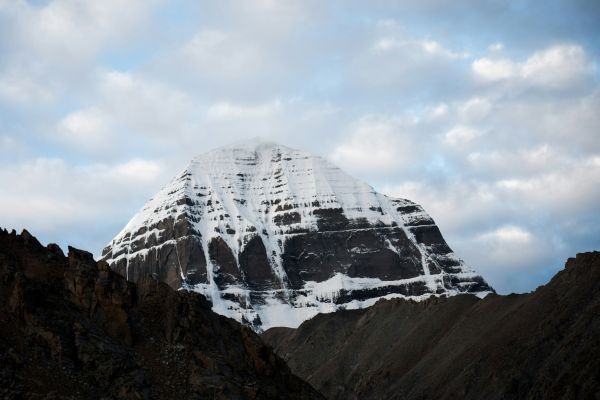
The Kailash Kora is far more than a walk around a mountain. It is a sacred journey of faith, discipline, reflection, and surrender. Pilgrims from different religious traditions travel through the Himalayan region to reach Mount Kailash and complete the spiritual circuit around it.
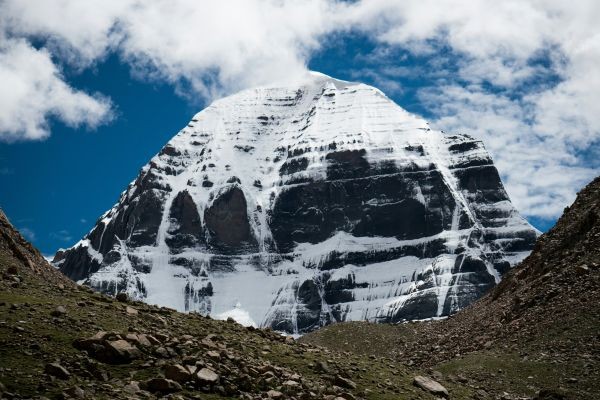
For many travelers, the Kailash Kora [https://rptreks.com/trip/kailash-mansarovar-tour/] is the most meaningful part of the Kailash Mansarovar Yatra from Nepal. The journey begins in Kathmandu and continues through remote mountain landscapes, peaceful valleys, and the high plateau before reaching Lake Mansarovar and Mount Kailash.
The purpose of the kora is not to climb or conquer the mountain. It is to approach it with humility and walk around it as an act of devotion.
What Is the Kailash Kora?
The word “kora” refers to the traditional practice of walking around a sacred place. In Hindu tradition, this practice is also known as parikrama. It may be performed around a temple, shrine, lake, mountain, or other spiritual site.
The Kailash Kora is the sacred circuit around Mount Kailash. Pilgrims walk along a challenging mountain path while praying, meditating, chanting, or maintaining a quiet and respectful attitude.
The walk is physically demanding because of the remote environment, cold weather, rocky trails, and high altitude. However, pilgrims do not consider the journey an ordinary trekking adventure. Every step is connected with faith, and every difficult section becomes part of the spiritual experience.
The Four Religions Connected with Mount Kailash
Mount Kailash [https://rptreks.com/mount-kailash-facts-and-myths/] is sacred to four important religious traditions: Hinduism, Buddhism, Jainism, and Bon. Each tradition has its own beliefs about the mountain, yet all approach it with deep respect.
Hinduism
For Hindus, Mount Kailash is the sacred home of Lord Shiva and Goddess Parvati. Lord Shiva is worshipped as Mahadev, the great yogi and divine force of transformation.
He represents meditation, wisdom, detachment, strength, and liberation. The quiet surroundings of Mount Kailash reflect these qualities. The mountain’s solitude and majestic presence remind devotees of Shiva’s deep meditation and connection with the eternal.
Many Hindu pilgrims complete the Kailash Parikrama to express devotion, seek blessings, and reflect on their spiritual path.
Buddhism
Mount Kailash also holds great importance in Tibetan Buddhism. Buddhist pilgrims approach the mountain as a sacred place connected with compassion, meditation, wisdom, and enlightenment.
During the kora, pilgrims may recite mantras, turn prayer wheels, offer prayers, or walk in silence. Some devotees undertake the journey as a way to collect spiritual merit and move closer to freedom from suffering.
For Buddhist pilgrims, the walk is not only a movement through the landscape. It is also a meditation in motion.
Jainism
Jain tradition connects the Kailash region with spiritual liberation and the achievement of higher consciousness. Jain pilgrims may approach the mountain with thoughts of non-violence, self-discipline, purity, and freedom from attachment.
The simplicity of the landscape can encourage deep reflection on the Jain values of restraint and inner purification. The journey becomes an opportunity to reduce worldly distractions and focus on the soul.
Bon
Bon is an ancient spiritual tradition of Tibet, and its followers also regard Mount Kailash as a sacred center. Bon pilgrims have their own rituals, stories, symbols, and traditions connected with the mountain.
Their presence adds another layer of spiritual meaning to the region. Mount Kailash is therefore not connected to only one community. It is a shared sacred landscape respected by different faiths.
Why Do Pilgrims Walk Around Kailash?
The act of walking around Mount Kailash carries deep symbolism. The mountain remains at the center while the pilgrim moves around it. This represents humility and the acceptance that the sacred cannot be controlled or possessed.
The kora can also symbolize the journey of life. The path contains climbs, descents, difficult ground, moments of exhaustion, and periods of calm. In the same way, life includes both hardship and peace.
The walk encourages pilgrims to release impatience and ego. There is no value in rushing through a sacred journey. Each person must move at a personal pace, listen to the body, and continue with awareness.
Many pilgrims also use the kora as a time to pray for family members, remember loved ones, seek forgiveness, or make personal commitments. The mountain becomes a witness to their hopes and intentions.
The Spiritual Lessons of Kailash Kora
The Kailash Kora offers several lessons that remain meaningful even after the journey ends.
Patience
The path cannot be completed in a hurry. Pilgrims must move slowly and accept the natural rhythm of the mountain.
Humility
The vastness of the landscape reminds travelers that human beings are only a small part of nature. This awareness can reduce pride and encourage gratitude.
Strength
The journey tests the body, but it also reveals hidden mental strength. Many pilgrims discover that faith can help them continue during difficult moments.
Simplicity
Life on the route is often far removed from luxury and convenience. This teaches travelers to appreciate basic needs, quiet surroundings, and human companionship.
Reflection
Long periods of walking provide time to think about personal choices, relationships, responsibilities, and spiritual goals.
Lake Mansarovar and the Kora Experience
Lake Mansarovar is an important part of the Kailash Mansarovar pilgrimage from Nepal. Pilgrims generally travel from Kathmandu through the Nepal–Tibet border region before continuing toward the lake and Mount Kailash.
Lake Mansarovar is associated with purity, peace, and spiritual clarity. Many pilgrims spend time beside its waters in prayer, meditation, or quiet contemplation.
The lake and the mountain create a meaningful balance. The lake invites stillness, while the kora requires movement. The calm waters represent the peaceful mind, while the mountain path represents the effort required to reach that peace.
Together, Lake Mansarovar and Mount Kailash create a complete spiritual landscape.
Preparing for the Sacred Walk
The Kailash Kora takes place in a remote and demanding environment. Good preparation helps travelers focus on the spiritual purpose of the journey instead of struggling with avoidable problems.
Pilgrims should begin walking regularly before departure and include uphill training in their preparation. Comfortable shoes, warm clothing, gloves, sun protection, personal medicines, and essential travel documents are important.
Travelers should also prepare mentally for cold weather, long travel days, simple facilities, limited communication, and possible changes in the schedule.
Listening to the body is essential. Anyone experiencing serious weakness, breathing difficulty, confusion, or severe discomfort should immediately inform the guide or medical team. Spiritual devotion should always be balanced with personal safety.
A Journey That Continues Within
The Kailash Kora ends physically when the pilgrim completes the circuit, but its emotional meaning often continues for years.
The memory of walking beneath the sacred mountain may return during difficult times. The silence of the landscape may inspire greater peace in everyday life. The challenges of the journey may teach patience, while the kindness shared among pilgrims may strengthen faith in humanity.
Every person arrives at Mount Kailash with a different reason. Some come for Lord Shiva, some for spiritual merit, some for healing, and others for personal discovery. Whatever the reason, the sacred mountain gives each traveler an opportunity to pause and look inward.
Conclusion
The Kailash Kora is a sacred walk shared by followers of Hinduism, Buddhism, Jainism, and Bon. Each tradition understands the mountain in its own way, yet all recognize its spiritual importance.
For Hindu devotees, the kora is a journey toward the sacred home of Lord Shiva. For Buddhist pilgrims, it can become a meditation on compassion and enlightenment. For Jain travelers, it may represent discipline and liberation, while Bon followers approach the mountain through their own ancient customs.
Through the Kailash Mansarovar Yatra from Nepal, pilgrims travel toward a landscape where nature and spirituality exist together. Walking around Mount Kailash is not about conquering a peak. It is about surrendering pride, strengthening faith, and allowing every step to become part of an inner transformation.






