
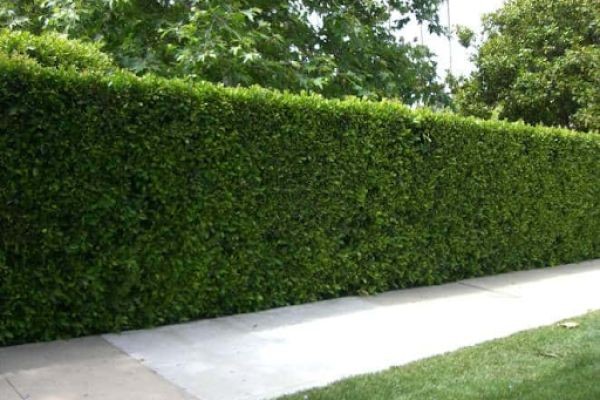
When it comes to enhancing your landscape with fast-growing, low-maintenance, and visually appealing shrubs, the wax leaf privet stands out as a top contender. Known for its rapid growth and dense foliage, this evergreen shrub is an excellent choice for creating privacy hedges, windbreaks, or adding a touch of greenery to your garden. In this blog, we'll explore the benefits, care requirements, and considerations of incorporating Wax Leaf Privet into your landscaping projects.
What is Wax Leaf Privet?
Wax leaf privet (Ligustrum japonicum 'Texanum') is a cultivar of the Japanese privet, specifically bred for its non-invasive nature and suitability for residential landscapes. Unlike some other privet species, the 'Texanum' variety produces fewer seeds, reducing its potential to spread uncontrollably. This makes it a safer option for gardeners looking to add a fast-growing shrub without the risk of it becoming invasive.
Key Characteristics:
- Growth Rate: Expect about 1-2 feet of growth per year under ideal conditions, making it an excellent choice for quick privacy hedges.
- Foliage: Features glossy, dark green leaves with a wax-like sheen, providing year-round greenery.
- Size: Typically grows 6 to 8 feet tall and 4 to 6 feet wide, though it can be maintained at a desired height through regular pruning.
- Flowers: Produces small, fragrant white blooms in spring, attracting pollinators like bees and butterflies.
Benefits of Wax Leaf Privet in Landscaping
1. Rapid Growth for Quick Coverage
One of the standout features of the Wax Leaf Privet is its fast growth. With the ability to add 1 to 2 feet of height annually, it quickly establishes itself in your landscape. This rapid growth makes it ideal for creating privacy screens or windbreaks in a short period. For those planning larger-scale landscaping, pairing wax leaf privet with fastest growing trees can accelerate coverage and create a lush, layered garden effect.
2. Low Maintenance Requirements
Once established, the Wax Leaf Privet is relatively low maintenance. It tolerates a variety of soil types and weather conditions, making it adaptable to different environments. Regular pruning helps maintain its shape and encourages dense growth, ensuring it remains an attractive addition to your landscape.
3. Evergreen Foliage for Year-Round Interest
Unlike deciduous shrubs that lose their leaves in winter, the Wax Leaf Privet maintains its glossy green foliage throughout the year. This evergreen characteristic ensures that your landscape retains its visual appeal even during the colder months.
4. Attracts Wildlife
The small white flowers produced in spring are not only fragrant but also attract beneficial pollinators such as bees and butterflies. Additionally, the dense foliage provides shelter for birds, enhancing the biodiversity of your garden.
Care and Maintenance Tips
To ensure your wax leaf privet thrives, consider the following care guidelines:
- Sunlight: Plant in an area that receives full sun to partial shade. While it can tolerate some shade, optimal growth occurs with at least 4-6 hours of direct sunlight daily.
- Soil: Prefers well-drained soil but is adaptable to various soil types. Ensure the planting area does not retain excessive moisture to prevent root rot.
- Watering: Regular watering is essential during the establishment phase. Once established, the shrub is moderately drought-tolerant but will benefit from supplemental watering during prolonged dry periods.
- Pruning: Regular pruning helps maintain the desired shape and encourages dense growth. Prune after flowering to avoid cutting off potential blooms for the next season.
Considerations Before Planting
While the wax leaf privet offers numerous benefits, it's essential to consider a few factors before incorporating it into your landscape:
- Invasiveness: Although the 'Texanum' cultivar is less invasive than other privet species, it's still crucial to monitor its growth and prevent it from spreading beyond desired areas.
- Allergies: Some individuals may be sensitive to the pollen produced by the flowers. If allergies are a concern, consider planting the shrub away from high-traffic areas or consult with a local horticulturist for alternative options.
Conclusion
Incorporating wax leaf privet into your landscaping projects can provide rapid growth, dense foliage, and year-round greenery. Its low maintenance requirements and adaptability make it a valuable addition to various landscaping designs, from privacy hedges to ornamental borders. By following proper care guidelines and considering its growth habits, you can enjoy the benefits of this fast-growing trees in your garden for years to come.






