
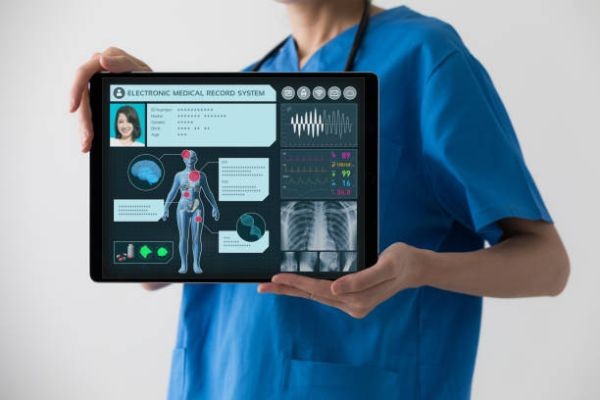
Selecting the right electronic medical record (EMR) platform is one of the most important decisions for home health and hospice organizations. A modern EMR is more than a place to store patient records—it serves as the operational hub for clinical documentation, scheduling, compliance, billing support, reporting, and care coordination.
As patient expectations continue to rise and healthcare regulations become more demanding, providers need technology that simplifies daily workflows without sacrificing security or efficiency. The right software can reduce administrative burdens, improve communication, and help clinicians spend more time delivering quality patient care.
A WellSky EMR system is designed to support these goals by providing an integrated platform for managing both clinical and operational processes. However, selecting an EMR should involve more than comparing feature lists. Organizations must evaluate usability, scalability, security, and long-term value to ensure the system aligns with their growth strategy.
This guide explains what healthcare providers should look for when choosing an EMR and how the right platform can improve organizational performance.
Why an EMR System Is Essential for Modern Healthcare
Healthcare agencies handle thousands of patient interactions every month. Every visit generates documentation, physician orders, medication updates, treatment plans, scheduling changes, and compliance records.
Without an integrated platform, organizations often struggle with:
- Duplicate documentation
- Communication delays
- Scheduling conflicts
- Paper-based workflows
- Inconsistent patient records
- Increased administrative workload
A WellSky EMR system centralizes these activities into one connected environment, making it easier for clinical and administrative teams to work together while maintaining accurate patient records.
Key Features to Look for in a WellSky EMR System
Not every EMR platform offers the same capabilities. Healthcare organizations should focus on features that improve both patient care and operational efficiency.
Important capabilities include:
Centralized Patient Records
A unified patient profile allows clinicians to access medical histories, medications, allergies, physician orders, and care plans from one location.
Electronic Documentation
Digital forms and structured templates reduce paperwork while improving documentation accuracy and consistency.
Scheduling Management
Integrated scheduling tools help coordinate clinician availability, patient appointments, travel routes, and follow-up visits.
Reporting and Analytics
Real-time dashboards provide insights into productivity, patient census, visit completion rates, and organizational performance.
Mobile Accessibility
Field clinicians should be able to securely access patient information while visiting patients outside the office.
Improving Clinical Efficiency Through Automation
Healthcare professionals often spend a significant portion of their day completing administrative tasks instead of providing patient care.
Automation helps streamline processes such as:
- Appointment reminders
- Documentation workflows
- Task assignments
- Internal notifications
- Compliance tracking
- Record management
By reducing repetitive work, organizations can improve productivity while allowing clinicians to focus more on patient outcomes.
Automation also minimizes manual errors and promotes greater consistency across departments.
Why WellSky Console Pricing Should Be Evaluated Carefully
Cost is an important factor when selecting healthcare software, but it should never be the only consideration.
When researching WellSky Console pricing, organizations should evaluate the total value offered by the platform rather than simply comparing subscription fees.
Consider factors such as:
- Implementation assistance
- Employee training
- Customer support
- Software updates
- Integration capabilities
- Scalability
- Workflow improvements
An EMR that reduces administrative workload and increases operational efficiency may deliver a stronger long-term return on investment than a less expensive alternative.
Secure Access Matters for Hospice Providers
Healthcare organizations must protect sensitive patient information while ensuring authorized clinicians can access records whenever needed.
For hospice teams working across multiple care locations, secure authentication plays an essential role in maintaining both productivity and compliance.
Using a Consolo Hospice Login portal allows approved users to securely access patient records, update documentation, review care plans, and coordinate with colleagues from approved devices.
Secure login systems also help reduce unauthorized access while supporting data privacy and regulatory requirements.
Enhancing Care Coordination Across Departments
Home healthcare involves collaboration among professionals from multiple disciplines.
These may include:
- Registered nurses
- Physicians
- Physical therapists
- Occupational therapists
- Hospice aides
- Social workers
- Administrative coordinators
A centralized EMR ensures everyone works from the same updated patient information.
Improved communication reduces misunderstandings, strengthens continuity of care, and supports faster clinical decision-making.
Using Data to Improve Organizational Performance
Modern EMR platforms provide more than documentation tools—they also generate valuable business intelligence.
Healthcare administrators can monitor:
- Staff productivity
- Visit completion rates
- Patient census
- Documentation quality
- Revenue trends
- Operational performance
These insights help leadership teams identify workflow bottlenecks, allocate resources effectively, and make informed strategic decisions.
Organizations that use data consistently are often better positioned for sustainable growth.
Best Practices for Successful EMR Implementation
Even the best software requires proper planning to deliver measurable results.
Healthcare organizations should consider the following implementation strategies:
Involve Staff Early
Gather feedback from clinicians and administrators before implementation to ensure workflows meet operational needs.
Invest in Training
Comprehensive employee training increases user confidence and improves long-term adoption.
Standardize Documentation
Consistent templates help improve reporting accuracy and reduce documentation variations.
Review Performance Regularly
Monitoring workflow efficiency after implementation helps identify opportunities for continuous improvement.
Organizations that actively support users throughout implementation typically achieve stronger outcomes.
The Future of EMR Technology
Healthcare technology continues evolving as providers seek more efficient ways to deliver care.
Emerging innovations include:
- Artificial intelligence for documentation
- Predictive analytics
- Cloud-based healthcare platforms
- Mobile-first clinical applications
- Workflow automation
- Enhanced cybersecurity
Healthcare organizations investing in scalable technology today will be better prepared to adapt to future patient needs and regulatory changes.
Frequently Asked Questions
What is a WellSky EMR system?
A WellSky EMR system is an electronic medical record platform designed to help home health and hospice organizations manage patient documentation, scheduling, care coordination, reporting, and operational workflows.
What factors influence WellSky Console pricing?
WellSky Console pricing may depend on implementation services, organization size, selected modules, integrations, customer support, and employee training.
What is Consolo Hospice Login used for?
Consolo Hospice Login provides authorized healthcare professionals with secure access to patient records, documentation tools, care plans, and operational resources while helping maintain data security.
Why is an integrated EMR important?
An integrated EMR improves communication, centralizes patient information, streamlines documentation, supports compliance, and increases operational efficiency.
What should healthcare organizations evaluate before selecting an EMR?
Organizations should consider usability, security, scalability, reporting capabilities, mobile access, workflow automation, customer support, integration options, and long-term return on investment.
Final Thoughts
Choosing the right EMR platform is a strategic investment that influences nearly every aspect of healthcare operations. A WellSky EMR system helps organizations centralize patient information, simplify documentation, strengthen care coordination, and improve workflow efficiency.
While evaluating available solutions, healthcare providers should also review WellSky Console pricing based on long-term value instead of upfront costs alone. Secure access through Consolo Hospice Login further enhances productivity by allowing authorized clinicians to access patient information safely from multiple care settings.
By combining integrated technology, secure workflows, and thoughtful implementation planning, home health and hospice organizations can improve operational performance while continuing to deliver exceptional patient care.






