
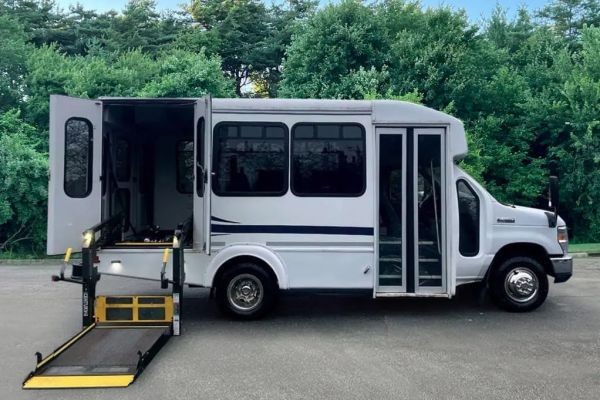
Choosing a wheelchair lift bus requires more than checking passenger capacity. Accessibility depends on the lift, entry area, securement system, interior space, and ease of movement. A suitable vehicle should help passengers enter, travel, and exit with dignity and comfort. Careful review of these features can also help an organization select a bus that fits its transportation needs.
Start With a Lift Built for Regular Service
The wheelchair lift is one of the most important parts of an accessible bus. Check its platform size, weight rating, controls, movement, and condition. The platform should provide enough room for safe positioning. Controls should be easy for trained staff to understand and operate.
Look for a lift that moves smoothly through its full cycle. Strange sounds, jerky movement, damaged parts, or worn surfaces may point to service needs. A maintenance record can provide useful information about past repairs and inspections.
The lift should also suit the number of boarding cycles expected each day. A vehicle used several times each day may place more demand on its accessibility equipment than a bus used only a few times each week. Ask about previous use and service work before making a final choice.
Check the Entry Path From Curb to Cabin
A lift alone does not create a fully useful accessible vehicle. The path from the ground to the passenger area also matters. Check the doorway width, lift position, handrails, floor surface, and available turning space.
The entry point should allow a mobility device to move from the platform into the cabin without tight turns or blocked areas. A clear path can make boarding easier for both passengers and trained operators.
Look closely at the area around the entrance for signs of damage or repeated wear. Door seals, steps, flooring, and nearby panels should be checked as part of the inspection. Small problems can affect daily boarding if they are ignored.
Give Wheelchair Securement a Close Look
A wheelchair must remain stable during travel. Check for proper securement locations and restraint equipment designed for the vehicle. Look at the condition of straps, anchors, belts, and attachment points.
The securement area should provide enough room for a mobility device without blocking the aisle or emergency exits. Staff should also have enough working space to attach restraints correctly.
Ask how many wheelchair positions the interior can support at the same time. Also check how those positions affect regular seating. This gives you a clearer idea of the bus's actual passenger capacity during accessible trips.
Measure Interior Space Before Purchase
Interior dimensions can change the usefulness of an accessible bus. Check floor length, ceiling height, aisle width, doorway clearance, and turning space around designated wheelchair positions.
A mobility device may require more room than a standard passenger seat. The layout should allow comfortable placement without reducing access to key areas. Count the remaining seats too, since accessibility needs can affect total passenger capacity.
Storage space also deserves a close check. Bags, mobility equipment, and other passenger items should not create obstacles near the entry path or securement areas. Good interior planning keeps movement simple and organized.
Check Ramp and Lift Controls
Simple controls can make daily operation easier. Review control placement, labels, switches, emergency features, and operator access. Controls should be clear enough for trained personnel to use correctly.
Ask for a full demonstration of the accessibility equipment. This gives you a chance to see the lift or ramp operate instead of judging its condition from photographs or a basic description.
Listen for unusual sounds during operation and watch for uneven movement. A complete demonstration can also show whether the equipment reaches its full operating position and returns correctly after use.
Look at Floor Safety and Interior Movement
The cabin floor should provide a stable surface for passengers and mobility devices. Check for loose flooring, damaged edges, raised sections, or areas that could interfere with movement.
Handrails and grab points can also support easier movement inside the cabin. Their location should make sense for passengers entering, exiting, or moving toward a seat.
Pay attention to lighting around the entrance and inside the cabin. Clear visibility can help passengers and operators see the floor, securement points, and walking path. Interior condition should be reviewed from both a passenger and operator point of view.
Do Not Skip Emergency Access
Emergency exits need special attention in an accessible vehicle. Check that exits remain reachable and clearly identified. A wheelchair position should not block an emergency path.
Review the location of emergency equipment and understand the procedures used for accessible passengers. Proper planning helps staff respond calmly during an unexpected event.
Check that the accessible layout does not create an obstacle near marked exit areas. Staff should understand how mobility devices are handled during an emergency based on the vehicle's approved procedures and operating rules.
Review the Vehicle Before You Commit
A strong inspection should cover the lift, ramp, securement system, doorway, flooring, seating layout, controls, emergency exits, and overall interior condition. Ask for service records related to accessibility equipment too.
A qualified technician can inspect mechanical and electrical systems that may not be easy to assess during a short visit. This can provide a clearer picture of the vehicle's current condition and likely service needs.
Ask for records that show past work on the lift, ramp, electrical controls, and securement equipment. Matching those records with the physical inspection can help reveal gaps that deserve further review.
Final Note:
Accessibility features should match the people who will use the vehicle. Consider mobility device sizes, boarding frequency, passenger capacity, staff training, route demands, and interior layout. A feature only helps if it works properly and fits the planned service. A bus for sale should be judged by more than age, appearance, or seating count. Compare its accessibility equipment, condition, usable space, and service records before making a final choice. Think about the full daily operation too. A vehicle may have the right equipment yet still be a poor match if the entry area is tight or the seating plan does not meet passenger needs. A complete review helps connect accessibility features with real service demands.
A final walk-through can also help confirm that the vehicle feels practical for its intended users. Check each entry point, wheelchair position, control, and passenger area before completing the purchase. Clear records and a careful inspection provide a stronger basis for a confident decision.






