
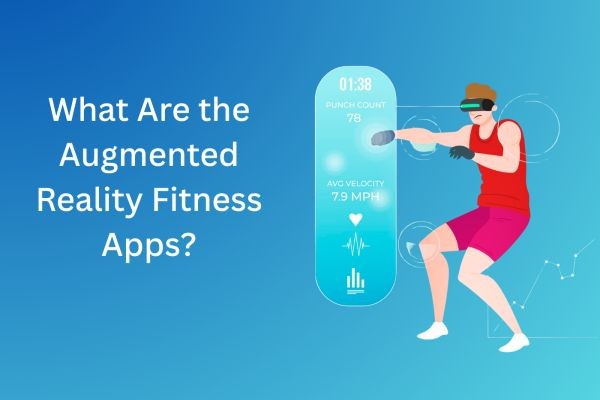
The fitness industry has undergone significant changes during the last three years. The current fitness applications now provide more than their original functions, which included video tutorials and step counting features. Technology currently enables people to convert their home environments into spaces that provide interactive workout experiences. Augmented reality fitness applications drive this trend by merging virtual digital content with physical surroundings to develop complete exercise environments.
Augmented reality has transformed into a current technological advantage for any fitness app development company who seek to create innovative health tech solutions. The technology has evolved into a market advantage for businesses in the industry.
The guide will explain augmented reality fitness applications by showing how they function, describing their main features and advantages, and their actual applications, and the requirements that businesses must meet before developing such applications.
What Are Augmented Reality Fitness Apps?
Augmented reality fitness applications use augmented reality technology to project digital elements, which include trainers and workout instructions, performance data, and virtual competitions into the physical space that users experience through their mobile phone, tablet, or wearable device.
Unlike traditional fitness apps that use unchanging video content, AR applications provide users with interactive spaces that they can explore:
- People can observe virtual trainers as they perform their training in their designated area.
- Users can follow guides that provide real-time corrections for their posture.
- Users can participate in fitness challenges that use game elements as their main feature.
- Users can access 3D workout instructions, which guide their exercise routines.
Augmented Reality technology can enrich training exercises while offering situational awareness.
How Augmented Reality Works in Fitness Apps
Augmented reality utilizes the cameras and motion sensors present in most devices, as well as software frameworks, for example:
- ARKit
- ARCore
Developers use these frameworks to identify surfaces, track movements, and position digital objects in actual physical spaces. The AR fitness application demonstrates its capabilities through the following features:
- Detect your living room floor
- Place a virtual yoga mat
- Overlay posture alignment lines
- Display calorie tracking in real time
The result feels interactive and personalized rather than passive.
Key Features of Augmented Reality Fitness Apps
1. Virtual Personal Trainers
Users can see a life-sized trainer projected into their space, demonstrating exercises from different angles. The system enhances user participation while decreasing injuries caused by improper exercise techniques.
2. Real-Time Form Correction
Advanced AR systems use camera input to analyze user posture and display animated corrections to users. The system demonstrates this capability through the following example:
- Highlighting incorrect knee alignment during squats
- Showing arm positioning during pushups
3. Gamified Workout Environments
Some apps turn workouts into interactive games. Users may:
- Punch virtual targets
- Dodge digital obstacles
- Compete in virtual obstacle courses
Gamification increases motivation and long-term retention.
4. Performance Metrics Overlay
Users can see live metrics such as:
- Heart rate
- Calories burned
- Repetition count
- Time remaining
This real-time feedback enhances accountability.
5. Social and Competitive Features
Some AR fitness platforms enable users to compete against friends or partake in multiplayer sessions within an augmented space held by all.
Examples of Augmented Reality Fitness Apps
Multiple fitness platforms currently test their platforms with immersive technologies.
Supernatural
Supernatural combines virtual reality through its interactive environments and its structured exercise programs. The system uses virtual reality as its main platform, yet it shows how immersive technology can transform fitness training methods.
Zombies, Run!
The application makes outdoor running into a game through its combination of storytelling and audio-based AR-style gameplay, which motivates users to run away from virtual zombies.
FitXR
FitXR combines virtual reality with physical workout programs to create authentic exercise classes that users can experience from their home environments. This aspect of VR takes more in-depth information about AR/VR in fitness apps for exercise engagement in an immersive environment.
Benefits of Augmented Reality Fitness Apps
1. Increased Engagement
AR technology transforms standard exercise routines into engaging, interactive workout experiences. Users will continue their fitness programs when exercise sessions maintain their active energy.
2. Personalized Experience
AR applications use user performance data to create personalized workout programs that adapt to their needs.
3. Improved Form and Safety
Visual posture correction methods help people avoid injuries while increasing their training performance.
4. Accessibility
Users can access guided workouts at home without needing a physical trainer.
5. Higher Retention Rates
Gamified AR workouts encourage long-term user retention compared to traditional fitness tracking apps.
Difference Between AR and VR Fitness Apps
Many people confuse augmented reality with virtual reality.
Augmented Reality (AR)
- Overlays digital content onto the real world
- Uses smartphone or tablet cameras
- Allows users to remain aware of their surroundings
Virtual Reality (VR)
- Creates a fully immersive digital environment
- Requires VR headsets
- Blocks out real-world surroundings
AR is more accessible because it does not require specialized hardware beyond a smartphone.
Industries Driving Growth in AR Fitness
The rise of augmented reality fitness apps is influenced by several trends:
- Remote work culture
- Growth of home workouts
- Increased smartphone capabilities
- Demand for personalized fitness solutions
Fitness brands, personal trainers, health startups, and even corporate wellness programs are exploring AR-based engagement tools.
Technologies Behind AR Fitness Apps
Building an AR fitness app requires multiple technologies working together:
- Motion tracking algorithms
- 3D modeling and animation
- Computer vision
- Cloud data storage
- Wearable device integration
Integration with smartwatches and fitness trackers enhances real-time data synchronization.
Challenges in Developing AR Fitness Apps
While promising, AR fitness apps come with technical challenges.
1. High Development Complexity
Motion detection and real-time feedback systems require advanced expertise.
2. Device Compatibility
Not all smartphones support advanced AR capabilities.
3. Data Privacy Concerns
Apps that analyze body movement through cameras must follow strict privacy regulations.
4. Battery and Performance Optimization
AR apps consume more device resources than traditional apps.
Cost of Building an Augmented Reality Fitness App
The cost varies depending on features and complexity.
Estimated ranges:
- Basic AR fitness app: $40,000 to $80,000
- Mid-level interactive AR app: $80,000 to $150,000
- Advanced immersive AR platform: $150,000 to $300,000+
Factors affecting cost include:
- Real-time motion tracking
- 3D asset development
- AI-based posture analysis
- Cloud integration
- Cross-platform support
Future of Augmented Reality in Fitness
The future looks promising as AR technology continues to evolve.
Emerging trends include:
- AI-powered virtual coaches
- Mixed reality workout studios
- Wearable AR glasses integration
- Real-time biomechanical feedback
As devices become more powerful, AR fitness apps will feel increasingly seamless and immersive.
Who Should Consider Building an AR Fitness App?
Augmented reality fitness apps are ideal for:
- Fitness startups seeking differentiation
- Gyms expanding into digital platforms
- Personal trainers building online brands
- Corporate wellness programs
- Sports training academies
If user engagement and retention are priorities, AR offers a compelling advantage.
Final Thoughts
Augmented reality fitness applications create new ways for users to work out at home and in fitness centers. The applications develop personalized and engaging workout experiences through their combination of digital components and actual physical movement.
AR-powered platforms show substantial differences from ordinary fitness applications because they provide users with immediate performance assessment through their interactive game-based challenges and virtual coaching system. The ongoing developments in smartphone technology and wearable devices will establish augmented reality as a standard element in digital fitness programs.
For businesses entering the health and wellness tech space, augmented reality is not just a trend. The upcoming interactive fitness experiences will use augmented reality technology to deliver personalized content while maintaining user engagement throughout extended periods.






