
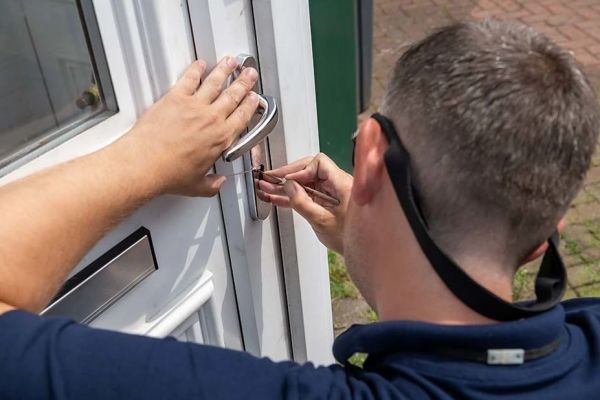
A secure and properly functioning door lock is essential for protecting a home, apartment, villa, office, or rental property. When a lock becomes damaged, outdated, unreliable, or no longer suitable for the property, arranging a professional door lock change may be the safest solution.
However, the cost of changing a lock is not the same for every door. A basic cylinder replacement may require limited labour, while changing a mortise lock, multipoint system, high-security mechanism, or digital lock can involve more time, specialist tools, and additional door preparation.
Understanding the factors that affect the cost of a door lock change in Dubai [https://www.keymakerdubai.com/residential-locksmith-services/lock-change-dubai] can help property owners choose appropriate hardware, compare quotations fairly, and avoid unexpected charges.
Type of Door Lock
The type of lock being removed and installed is one of the main factors affecting the final price.
Common lock types include:
- Euro-profile cylinders
- Mortise locks
- Deadbolts
- Rim locks
- Knob and lever locks
- Multipoint locking systems
- Glass-door locks
- High-security locks
- Digital and smart locks
Changing a standard cylinder is generally simpler because the existing handle and lock body may remain in place. A complete mortise lock change can be more involved because the technician may need to remove the handles, cylinder, spindle, faceplate, and internal mechanism.
Smart locks can also cost more to install because the work may include drilling, mortise preparation, fingerprint registration, PIN configuration, mobile app pairing, and functionality testing.
Quality of the New Lock
The cost of a door lock replacement also depends on the quality and security level of the selected hardware.
Basic locks may be suitable for bedrooms, storage spaces, or lower-risk internal doors. Main entrance doors usually require stronger and more reliable hardware.
Higher-quality locks may include:
- Reinforced cylinders
- Anti-drill protection
- Anti-pick components
- Anti-snap construction
- Stronger bolts
- Restricted key duplication
- Corrosion-resistant finishes
- Manufacturer warranties
Premium hardware generally costs more, but it may provide better durability and long-term reliability. The most expensive lock is not automatically the correct choice, however. The new lock should match the door, property type, access requirements, and expected level of use.
Door Material and Thickness
The material and thickness of the door can significantly affect the installation process.
A straightforward door lock change on a compatible wooden door may require only minor preparation. Metal, aluminium, glass, composite, and fire-rated doors can require specialist tools, compatible hardware, and more accurate fitting.
Common door materials include:
- Solid wood
- Engineered wood
- Steel
- Aluminium
- UPVC
- Composite material
- Glass
Door thickness determines whether the cylinder, spindle, mounting screws, handles, and lock body will fit correctly. When the new hardware is not designed for the existing door thickness, extension parts or a different lock model may be required.
Condition of the Existing Door and Frame
The lock may not be the only component requiring attention. A damaged, dropped, or misaligned door can make a perfectly functional lock difficult to operate.
Before completing a door lock change, the technician should check:
- Hinges
- Door frame
- Strike plate
- Existing drilling
- Cracks around the lock
- Latch alignment
- Bolt position
- Handle movement
If the door must be pushed, lifted, or slammed before it locks, the frame or hinges may need adjustment. Installing a new lock without correcting the alignment can place pressure on the replacement mechanism and cause the same problem to return.
Additional alignment or frame work will usually increase the total cost, but it is important for reliable operation.
Compatibility With the Existing Opening
A new lock may fit directly into the existing preparation, or the door may need modification.
Compatibility depends on:
- Mortise size
- Backset measurement
- Handle position
- Spindle location
- Cylinder profile
- Latch direction
- Bolt position
- Strike-plate dimensions
When the new lock closely matches the previous hardware, installation may be relatively quick. If the dimensions are different, the locksmith may need to enlarge the mortise, drill new fixing holes, reposition the strike plate, or cover unused openings.
More preparation means more labour and a higher door lock change cost.
For this reason, property owners should avoid purchasing a replacement lock based only on appearance. Door and lock compatibility should be confirmed first.
Cylinder Change or Complete Lock Change
Not every faulty lock requires the entire locking system to be removed.
In some cases, only the cylinder needs replacement. This may be suitable when the keyway is damaged, keys are lost, or previous keys should no longer provide access while the handles and internal lock body remain in good condition.
A complete door lock change may be more appropriate when:
- The internal mechanism is worn
- The latch or bolt has failed
- Several components are damaged
- The lock is badly corroded
- The existing hardware is outdated
- The mechanism has been forced
- Compatible parts are unavailable
Replacing only the cylinder usually costs less than installing a complete new lockset. A professional inspection can determine which option is genuinely required.
Brand and Parts Availability
Lock brand and parts availability also affect the cost.
Popular brands are often easier to service because compatible cylinders, handles, keys, and internal components are more readily available. Uncommon or discontinued locks may cost more because parts need to be sourced separately.
Imported or specialist locks may also require:
- Brand-specific components
- Controlled key cutting
- Special installation tools
- Longer sourcing times
- Manufacturer-approved accessories
A slightly more expensive lock with locally available parts may provide better long-term value than a cheaper model that is difficult to maintain.
Number of Locks Being Changed
The number of doors included in the job naturally affects the total amount.
A customer may require a door lock change for:
- One apartment entrance
- Several villa doors
- Office rooms
- Rental units
- Retail entrances
- Storage rooms
- Staff accommodation
- Garden gates
When several locks are changed during one appointment, travel and inspection time can be shared. Some service providers may offer more efficient labour pricing for multiple doors.
Provide a complete list of the affected entrances when requesting a quotation.
Key and Access Requirements
The number and type of keys required may influence the final price.
Additional costs may apply when the customer needs:
- Extra key copies
- High-security keys
- Dimple keys
- Restricted keys
- Several locks operated by one key
- A master-key system
- Separate keys for different rooms
- Access for multiple tenants or employees
Access planning should be discussed before the installation begins. It is easier to arrange the correct key system at the start than to make changes after the new locks have been fitted.
Emergency and After-Hours Service
A scheduled daytime door lock change service may cost less than an urgent visit at night, during a weekend, or on a public holiday.
Emergency replacement may be needed when:
- Keys have been stolen
- The property cannot be secured
- The lock has failed completely
- A tenant left without returning keys
- The entrance was damaged during a break-in
- The cylinder has been drilled or forced
After-hours service may include additional attendance and labour charges because immediate technician availability is required.
Addressing early warning signs can help property owners avoid emergency costs.
Location and Property Access
The customer’s location and the accessibility of the property can also affect the job.
Residential towers, gated communities, commercial buildings, and villas may have different entry procedures. The technician may need:
- Security approval
- Visitor registration
- Parking access
- Service-lift permission
- Landlord confirmation
- Building-management approval
Providing these details in advance helps avoid delays and allows the locksmith to estimate the appointment more accurately.
How to Get an Accurate Door Lock Change Quote
To receive a useful estimate, send clear photographs of:
- The lock from outside
- The lock from inside
- The door edge
- The handle and cylinder
- The strike plate
- Any visible damage
Also provide:
- Property location
- Door material
- Lock brand
- Number of doors
- Whether the door is open or locked
- Whether the service is urgent
- Type of new lock required
Ask whether the quotation includes inspection, labour, hardware, additional keys, VAT, alignment, door preparation, and testing.
Final Thoughts
The cost of a door lock change [https://www.keymakerdubai.com/residential-locksmith-services/lock-change-dubai] depends on more than the price of the new hardware. Lock type, door material, existing condition, compatibility, security level, key requirements, labour, location, and service timing all influence the final amount.
A basic cylinder update may be enough when the remaining mechanism is secure and functional. A complete door lock replacement is usually more suitable when the lock is badly worn, damaged, outdated, or repeatedly failing.
The best approach is to have the complete entrance inspected before purchasing new hardware. Correct lock selection and professional fitting can prevent poor alignment, unnecessary drilling, recurring faults, and additional repair expenses.
Frequently Asked Questions
What is the biggest factor affecting door lock change cost?
The lock type and installation complexity usually have the greatest impact. Mortise, multipoint, high-security, and digital locks generally require more labour than standard cylinders.
Is changing only the cylinder cheaper?
Yes. If the lock body, handles, latch, and other components remain in good condition, replacing only the cylinder will normally cost less than changing the complete lock.
Does door material affect the cost?
Yes. Metal, glass, composite, and thick entrance doors may require specialist tools and additional preparation.
Should I purchase a lock before contacting a locksmith?
It is safer to confirm compatibility first. The new lock must match the door thickness, mortise, backset, handle position, and opening direction.
Is emergency door lock change more expensive?
It can be. Night-time, weekend, holiday, and urgent appointments may include additional attendance or labour charges.
Why might frame alignment increase the price?
A misaligned frame or strike plate must be corrected so the new latch or bolt can move freely. Otherwise, the replacement lock may quickly become stiff or damaged.
When is a complete lock change necessary?
A complete change may be required when the mechanism is badly worn, severely corroded, damaged during forced entry, repeatedly failing, or no longer suitable for the property.
How can I receive an accurate quotation?
Send clear lock and door photographs, the location, door material, number of locks, and details of the problem. Confirm whether labour, parts, keys, VAT, and additional door work are included.






