
Modern businesses depend on digital communication, cloud applications, online transactions, and remote connectivity to operate efficiently. However, these technologies also create opportunities for cybercriminals to intercept sensitive information. One of the most dangerous threats businesses face is a Man in the Middle (MITM) attack, where attackers secretly position themselves between two communicating parties to steal or manipulate data.
Understanding “what is a man in the middle attack“ and how it impacts organizations is essential for developing effective cybersecurity strategies. From protecting employee credentials to securing customer information, businesses need strong defenses to prevent unauthorized access and communication interception.
What Is a Man in the Middle Attack?
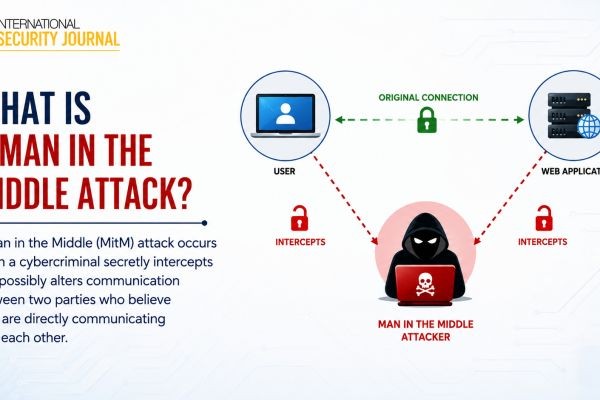
A Man in the Middle attack (MITM) is a cybersecurity attack where an attacker secretly intercepts communication between two trusted parties. The attacker creates a hidden connection between the sender and receiver, allowing them to monitor, capture, or modify the information being exchanged.
Unlike direct attacks that immediately disrupt systems, MITM attacks are designed to remain unnoticed. Users may continue their normal activities while attackers collect sensitive data in the background.
For businesses, a successful MITM attack can expose login credentials, financial details, confidential emails, customer records, and internal communications. Attackers may use this information for fraud, identity theft, espionage, or additional cyberattacks.
How Does a MITM Attack Work?
A Man in the Middle attack generally involves three stages:
1. Intercepting Communication
The attacker first gains access to the communication channel between two parties. This can happen through unsecured networks, compromised routers, fake Wi-Fi hotspots, or weaknesses in network security.
2. Monitoring or Modifying Data
Once positioned between the sender and receiver, the attacker can view sensitive information, capture authentication details, or modify messages before forwarding them to the intended destination.
3. Maintaining Access
Attackers often attempt to remain undetected for extended periods, allowing them to collect valuable business information or perform fraudulent activities.
Why Businesses Are Common Targets of MITM Attacks
Businesses are attractive targets because they handle large amounts of valuable information. Cybercriminals often target organizations because a single successful attack can provide access to multiple systems and sensitive resources.
Common reasons businesses are targeted include:
- Large volumes of customer and employee data
- Financial transactions and payment information
- Remote work connections
- Cloud-based applications
- Internal business communications
- Intellectual property and confidential documents
Small businesses are also vulnerable because they may lack advanced security monitoring and dedicated cybersecurity resources.
Common Types of MITM Attacks
Rogue Wi-Fi Attacks
Attackers create fake wireless networks that appear legitimate. When employees connect to these networks, their online activity can be monitored or intercepted.
DNS Spoofing
DNS spoofing redirects users from legitimate websites to malicious websites controlled by attackers. This allows criminals to collect login credentials and other sensitive information.
ARP Spoofing
ARP spoofing targets local networks by sending fake ARP messages to associate the attacker’s device with another device on the network. This allows attackers to intercept internal network traffic.
Session Hijacking
In session hijacking, attackers steal session cookies or authentication tokens, allowing them to access accounts without needing the original password.
Email Interception
Business emails containing invoices, payment instructions, or confidential information can be intercepted and modified. This type of attack is especially dangerous for organizations handling financial transactions.
Business Risks of MITM Attacks
A successful MITM attack can create serious consequences for organizations, including:
Data Breaches
Attackers can steal sensitive customer information, employee records, and confidential business data.
Financial Losses
Intercepted transactions or modified payment details can result in direct financial damage.
Compliance Issues
Businesses that fail to protect sensitive information may face regulatory penalties and legal consequences.
Reputation Damage
Customers and partners may lose trust in organizations that cannot secure their communications and data.
Operational Disruption
Attackers may use stolen information to access systems, disrupt operations, or launch further attacks.
How Businesses Can Prevent MITM Attacks
Use Multi-Factor Authentication (MFA)
MFA adds an additional security layer beyond passwords. Even if attackers obtain login credentials, they face another verification barrier before gaining access.
Encrypt Business Communications
Encryption protects data while it moves between systems. Businesses should use HTTPS, TLS encryption, and secure communication platforms to reduce interception risks.
Secure Corporate Networks
Organizations should protect their networks with strong passwords, updated routers, WPA3 encryption, and proper access controls. Separating guest networks from internal systems can also reduce risks.
Implement VPN Solutions for Remote Access
A VPN encrypts employee connections, especially when accessing company systems from public networks or remote locations.
Keep Software and Devices Updated
Regular updates fix security vulnerabilities that attackers may exploit. Businesses should maintain updated operating systems, applications, browsers, and network devices.
Monitor Network Activity
Security monitoring tools, intrusion detection systems, and endpoint protection solutions help identify suspicious activities and potential MITM attempts.
Train Employees on Cybersecurity Practices
Employees should understand phishing risks, unsafe networks, suspicious links, and secure browsing habits. Regular cybersecurity training can significantly reduce human-related security weaknesses.
Best Practices for Strong MITM Protection
Businesses can strengthen their defense strategy by adopting:
- Zero Trust security principles
- Regular security audits
- Vulnerability assessments
- Penetration testing
- Endpoint detection and response solutions
- Strong access management policies
- Incident response plans
A layered security approach ensures that even if one defense mechanism fails, additional controls continue protecting business systems.
Conclusion
A Man in the Middle attack remains a significant cybersecurity threat because it allows attackers to silently intercept sensitive communications and steal valuable information. Businesses can reduce their exposure by implementing encryption, multi-factor authentication, secure networks, employee training, and continuous security monitoring. Staying aware of evolving cyber threats and adopting proactive security measures is essential for protecting digital operations. Resources and insights from International Security Journal help organizations stay informed about emerging cybersecurity challenges and strengthen their approach to preventing MITM attacks.
FAQs
1. What is a Man in the Middle attack in cybersecurity?
A Man in the Middle attack is a cyberattack where an attacker secretly intercepts communication between two parties to monitor, steal, or modify exchanged information without their knowledge.
2. How do businesses detect MITM attacks?
Businesses can identify potential MITM attacks through security monitoring tools, unusual login activity, SSL certificate warnings, unexpected network changes, suspicious redirects, and abnormal data traffic patterns.
3. Can encryption prevent Man in the Middle attacks?
Encryption significantly reduces the risk of MITM attacks by protecting data during transmission. Technologies such as HTTPS, TLS, and VPN encryption make it much harder for attackers to read intercepted information.
4. What is the best way for businesses to prevent MITM attacks?
The best prevention strategy combines multiple security measures, including MFA, encrypted communications, secure networks, regular software updates, employee awareness training, and continuous cybersecurity monitoring.






