
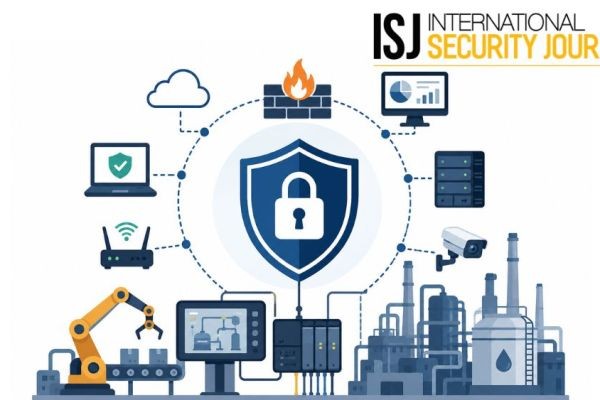
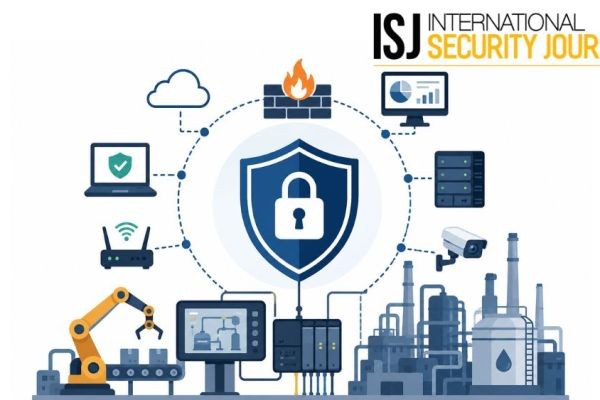
Industrial environments today run on highly interconnected digital systems that control physical operations such as power generation, manufacturing, water treatment, and oil refining. While this digital transformation has improved efficiency and automation, it has also introduced serious cybersecurity risks.
Industrial Control System (ICS) security focuses on protecting these systems from cyber threats, unauthorized access, and operational disruptions. Unlike traditional IT security, ICS security prioritizes safety and continuous system availability because even minor disruptions can lead to physical damage, production loss, or safety hazards.
As cyberattacks targeting critical infrastructure increase globally, understanding ICS security is no longer optional—it is essential for operational resilience.
What Is Industrial Control System Security?
Industrial Control System security refers to the strategies, technologies, and practices used to protect industrial environments that control physical processes.
These systems manage and automate industrial operations, and their security ensures that:
- Systems remain operational without interruption
- Unauthorized access is prevented
- Data integrity between machines and operators is maintained
- Physical processes are not manipulated or damaged
Unlike traditional cybersecurity, which primarily protects data confidentiality, ICS security focuses more on availability and operational safety.
ICS security is commonly applied in:
- Manufacturing plants
- Energy and power grids
- Oil and gas facilities
- Water treatment plants
- Transportation systems
A failure in these environments can have real-world consequences beyond digital loss.
Understanding Industrial Control Systems (ICS)
Industrial Control Systems are the backbone of modern automation infrastructure. They consist of multiple interconnected technologies that control and monitor industrial processes.
Key components include:
SCADA (Supervisory Control and Data Acquisition)
Used for centralized monitoring and control of large-scale industrial processes.
PLCs (Programmable Logic Controllers)
Hardware devices that control machinery and automated processes in real time.
DCS (Distributed Control Systems)
Used in complex environments where control is distributed across multiple systems.
These systems interact directly with physical machinery. This means any cyber compromise can impact real-world operations such as shutting down a power grid or altering production lines.
Why Security in Industrial Control Environments Is Essential
ICS environments are now tightly integrated with corporate IT systems, remote access tools, and cloud-based platforms. While this connectivity enhances operational efficiency and real-time monitoring, it also significantly increases exposure to cyber threats.
A successful security breach in such environments can lead to severe consequences, including:
- Full-scale operational disruptions
- Damage or failure of critical equipment
- Environmental incidents and contamination risks
- Serious threats to worker and public safety
- Significant financial losses and production downtime
Relying on physical or network isolation alone is no longer effective. Modern industrial environments depend on interconnected digital ecosystems, including remote monitoring systems and third-party integrations, which require continuous and layered security controls.
Key Risks in Industrial Control System Security
Industrial environments today operate in highly connected ecosystems where operational technology and digital networks are deeply intertwined. While this integration improves efficiency and real-time control, it also introduces multiple security vulnerabilities that can be exploited by threat actors. Understanding these risks is essential for maintaining operational stability and preventing costly disruptions.
1. Legacy Infrastructure
Many industrial environments continue to rely on outdated hardware and software that were not designed to withstand modern cyber threats. These legacy systems often lack essential security features such as encryption, access controls, and threat detection capabilities.
2. Inadequate Network Segmentation
When operational technology (OT) and information technology (IT) networks are not properly isolated, attackers can exploit weak points in corporate systems to gain unauthorized access to critical industrial operations.
3. Weak Access Controls and Authentication
The continued use of default credentials, weak passwords, and insufficient authentication mechanisms creates easy entry points for attackers to compromise sensitive industrial systems.
4. Delayed Patch and Update Cycles
Operational continuity requirements often lead to postponed security updates. This delay leaves known vulnerabilities unaddressed, increasing exposure to exploitation.
5. Third-Party Connectivity Risks
Remote access granted to vendors, contractors, and service providers can introduce significant security gaps if access permissions are not strictly controlled and continuously monitored.
6. Insider-Driven Security Risks
Threats may also originate from within the organization, either through negligent actions or intentional misuse of access privileges, potentially compromising system integrity and operational stability.
Common Threats Targeting ICS Environments
Malware and Ransomware
Attackers increasingly target industrial systems to disrupt operations or demand ransom payments.
Advanced Persistent Threats (APTs)
Highly skilled attackers infiltrate systems and remain undetected for long periods.
Phishing Attacks
Human error remains one of the most common entry points into ICS environments.
Supply Chain Attacks
Compromised vendors or software updates can introduce vulnerabilities into industrial systems.
Remote Access Exploits
Poorly secured remote connections are often used as entry points into operational networks.
Overview of Security Architecture in Industrial Systems
A strong ICS security architecture typically includes:
- Segmentation between IT and OT networks
- Demilitarized Zones (DMZ) to control traffic flow
- Firewalls designed for industrial protocols
- Intrusion Detection Systems (IDS) tailored for OT environments
- Secure remote access with multi-factor authentication
- Continuous monitoring of system behavior and anomalies
This layered approach reduces risk by limiting attacker movement within the system.
Essential Guidelines for Industrial Security Protection
Network Segmentation
Separate critical operational systems from corporate IT systems.
Strong Access Control
Use role-based access control and enforce multi-factor authentication.
Continuous Monitoring
Deploy monitoring tools that detect abnormal behavior in real time.
Regular Vulnerability Assessments
Identify and fix security weaknesses before attackers exploit them.
Patch Management Strategy
Develop controlled update processes that minimize downtime.
Employee Training
Train staff to recognize phishing and operational security risks.
Incident Response Planning
Prepare predefined response strategies for system breaches or disruptions.
Security Standards and Frameworks for Industrial Systems
NIST Cybersecurity Framework
Provides structured guidance for managing cybersecurity risks in critical infrastructure.
IEC 62443
Specifically designed for securing industrial automation and control systems.
ISO/IEC 27001
Focuses on broader information security management systems supporting ICS environments.
These frameworks help organizations standardize security practices and ensure compliance with global safety expectations.
Challenges in Implementing ICS Security
Implementing strong ICS security is complex due to:
- Aging infrastructure that is difficult to upgrade
- High cost of modernization and security tools
- Operational downtime limitations
- Shortage of skilled OT cybersecurity professionals
- Integration challenges between IT and OT environments
These challenges often delay security improvements, increasing overall risk exposure.
How Industrial Control System Security Is Evolving
The future of ICS security is evolving rapidly with new technologies:
- Adoption of Zero Trust architectures
- Use of AI-driven anomaly detection systems
- Cloud-based monitoring and management platforms
- Predictive threat intelligence systems
- Stronger global regulatory enforcement for critical infrastructure
As industrial environments become more connected, security will shift from reactive defense to predictive prevention.
Conclusion
Industrial system security has become a foundational element of modern industrial operations. With increasing digital transformation and deeper integration of connected technologies, exposure to cyber threats continues to rise significantly.
To address these risks, organizations must implement proactive protection strategies, follow established industry standards, and maintain continuous system monitoring to prevent operational disruptions. As highlighted in the International Security Journal, cybersecurity in industrial environments is no longer limited to IT functions—it is a critical component of overall operational resilience.
FAQs
How does security in industrial systems differ from traditional cybersecurity?
Traditional cybersecurity focuses on protecting data and digital assets, while industrial systems security prioritizes the safety and continuous operation of physical processes. Any disruption in these environments can directly impact equipment, production, and human safety.
- What industries are most vulnerable to ICS security attacks?
Industries that rely heavily on automation and critical infrastructure are most exposed, including energy and utilities, oil and gas, manufacturing, transportation, and water treatment facilities. These sectors are often targeted because even small disruptions can cause large-scale operational and financial damage. - Why are legacy systems a major security risk in industrial environments?
Legacy systems often run outdated software that no longer receives security updates or patches. Many were designed before modern cyber threats existed, meaning they lack built-in encryption, authentication controls, and intrusion detection capabilities, making them easier targets for attackers. - Can industrial control systems be fully protected from cyberattacks?
No system can be completely immune to cyberattacks. However, risks can be significantly reduced through layered security strategies such as network segmentation, continuous monitoring, strict access controls, and adherence to industrial security standards like IEC 62443. The goal is risk reduction and rapid threat detection rather than absolute prevention.






