
The Technology Behind the Insight
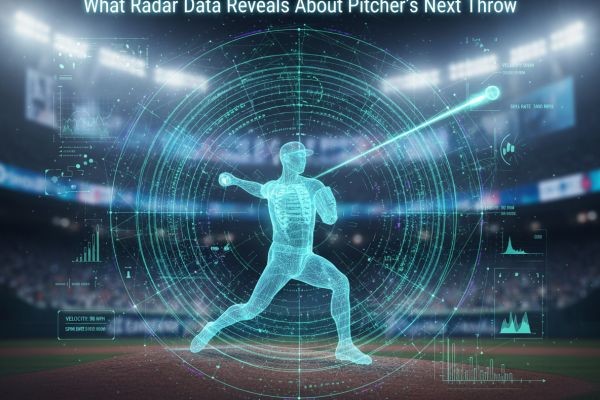
Every Major League Baseball stadium now features TrackMan or Statcast radar systems that capture approximately 17 data points per pitch—velocity, spin rate, release point, movement, and more. This technology generates over 7 terabytes of data annually, creating an unprecedented window into pitcher behavior and performance.
The implications extend far beyond simple pitch velocity. Radar data reveals spin axis, vertical break, horizontal movement, and release consistency. These variables determine pitch effectiveness in ways traditional scouting never fully grasped. A fastball at 95 mph with elite spin rate (2,500+ RPM) plays significantly faster than a 97 mph fastball with average spin.
Predictable Patterns Pitchers Don't See
Here's the fascinating part: radar data exposes patterns pitchers themselves aren't consciously aware of. Analysis reveals that many pitchers telegraph their off-speed pitches through subtle release point changes—dropping their arm slot by just 1-2 inches when throwing a curveball. Elite hitters with access to this data can anticipate pitch types before the ball leaves the pitcher's hand.
Fatigue signatures also emerge clearly in the data. When a pitcher tires, their release point drifts, spin rates decline, and velocity drops—often before they feel physically compromised. Teams now use real-time radar data to inform in-game decisions about pitcher removal, preventing injuries and optimizing performance.
The Cat-and-Mouse Game
Knowing that hitters study their patterns, sophisticated pitchers now deliberately vary their mechanics to prevent tells. Gerrit Cole, for instance, maintains identical release points across his pitch mix, making his offerings nearly impossible to distinguish until after release. This requires extraordinary physical consistency and practice—but the competitive advantage is substantial.
Teams also use radar data to optimize pitch development. If data shows a pitcher's changeup has similar movement to their fastball (ideal for deception), but their release point differs by three inches (a tell), training focuses on mechanical consistency rather than velocity gains.
Beyond the Individual Pitch
Aggregated radar data reveals larger strategic insights. Analytics teams identify which pitch sequences are most effective against specific hitter profiles. They discover optimal pitch location patterns: where to establish a fastball to make a slider more effective, or how to sequence pitches to exploit a hitter's swing mechanics.
The technology has democratized information once available only to elite teams. Even amateur players can now access radar data at training facilities, accelerating development and raising the overall performance ceiling across the sport. What pitchers throw matters less than how they throw it—and radar data has made that crucial distinction quantifiable.
Details here: https://surfersfieldhockey.com






