
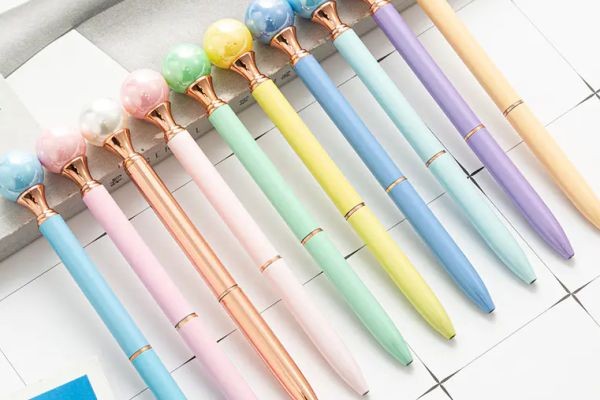
Metal ballpoint pens [https://www.stationery-factory.net/product/metal-ballpoint-pen/] occupy a specific and durable position in the writing instrument market. They're not trying to compete with fountain pens on tradition or gel pens on line quality — they're competing on reliability, longevity, and the kind of understated professionalism that makes them a fixture on executive desks, in hotel room amenity kits, at banking counters, and inside corporate gift boxes. That consistent demand across professional and promotional channels is why wholesale buyers keep returning to the category season after season.
The ballpoint mechanism itself is straightforward: a small rotating ball at the tip transfers oil-based ink onto the writing surface as it rolls. The metal ballpoint pen's contribution to this process is structural — a rigid barrel that doesn't flex during writing, a precisely machined tip housing that keeps the ball seated accurately, and a clip or cap mechanism that protects the tip between uses. When any of these elements is poorly executed, the writing experience suffers in ways users notice immediately, even if they can't articulate exactly what's wrong.
Barrel material is the most visible differentiator in the metal ballpoint pen category. Brass barrels offer weight and machining precision that produces clean knurling patterns, crisp engraving, and threaded joints that feel solid rather than loose. Aluminum barrels are lighter and anodize well across a wide color range, making them well-suited to promotional programs where color matching to brand guidelines matters. Stainless steel barrels are heavier and more resistant to surface scratching than either brass or aluminum, appealing to buyers looking for a pen that maintains its appearance through extended daily use. Each material has a natural market position, and buyers building a metal ballpoint pen range benefit from covering more than one.
Finish quality is where a metal ballpoint pen either earns its price point or loses credibility. Lacquer finishes in solid colors or gradients offer broad design flexibility at accessible cost. Chrome and gold plating add visual weight and suggest premium positioning, but plating thickness matters — thin decorative chrome wears through at contact points within months of regular use, while properly specified plating holds up through years of handling. Matte finishes — brushed metal, sandblasted, or powder-coated — have grown in demand as alternatives to high-gloss surfaces, particularly for corporate gift and promotional applications where a more restrained aesthetic is preferred.
Ink refill compatibility is a practical consideration that affects end-user satisfaction and repeat purchase behavior. Metal ballpoint pens [https://www.stationery-factory.net/product/metal-ballpoint-pen/] that accept standard international refill formats — Parker-style or Cross-style cartridges — give users the ability to replace ink without replacing the pen, which reinforces the perception of value and builds the kind of loyalty that drives reorder cycles for corporate buyers. Pens that use proprietary refills create a dependency that some buyers appreciate and others resent, depending on how reliably the refills are stocked.






