
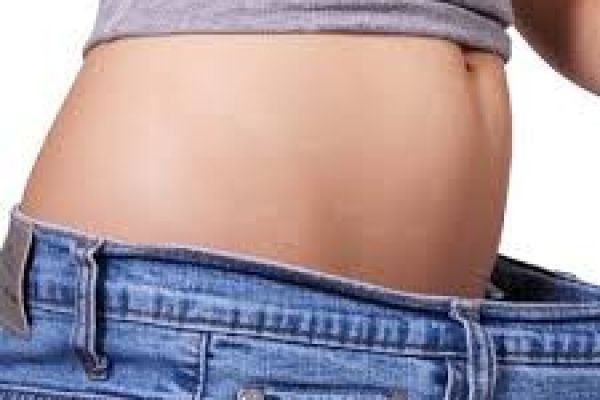
Achieving significant weight loss can be an exciting and rewarding experience. Whether the weight was lost through lifestyle changes, a structured weight management program, or bariatric treatment, reaching a healthier weight can bring many positive changes. However, one challenge that some people experience afterward is loose and excess skin.
When the skin has been stretched for a long period, it may not completely return to its previous shape. Excess skin can remain around the abdomen, arms, thighs, breasts, back, and other areas. In some cases, it may affect comfort, clothing choices, movement, and confidence.
Post-Weight Loss Surgery in Dubai [https://tajmeels.ae/en/plastic-surgery/post-weight-loss-surgery/] offers body contouring options designed to address these concerns. These procedures focus on removing excess skin and reshaping selected areas after substantial weight reduction. Understanding what to expect before, during, and after treatment can make the process easier to approach.
What Is Post-Weight Loss Surgery?
Post-weight loss surgery is a group of cosmetic surgical procedures intended for people who have experienced substantial weight loss and are left with excess skin or unwanted tissue.
Unlike weight-loss procedures, body contouring does not aim to help you lose a large amount of weight. Instead, it focuses on improving the shape and proportions of the body after weight reduction has already occurred.
Depending on your needs, treatment may involve:
- Tummy tuck
- Arm lift
- Thigh lift
- Lower body lift
- Breast lift
- Back lift
- Body contouring
- Combination procedures
The appropriate procedure depends on where excess skin is located and what you want to achieve.
Why Can Loose Skin Remain After Weight Loss?
The skin naturally stretches as the body grows or gains weight. It contains collagen and elastin, which provide flexibility and support. However, prolonged stretching can reduce the skin's ability to contract fully.
After substantial weight loss, the underlying body becomes smaller while some of the stretched skin remains.
Several factors can influence the amount of loose skin, including:
Amount of Weight Lost
People who lose a significant amount of weight may have more excess skin than those who experience moderate weight reduction.
Age
Skin elasticity generally changes with age, which can influence how effectively the skin contracts after weight loss.
Genetics
Everyone's skin responds differently to changes in body size. Genetic factors can influence elasticity and healing.
Duration of Weight Gain
Skin that has remained stretched for many years may have less ability to retract naturally.
Weight Stability
Maintaining a stable weight after weight loss is an important consideration before body contouring.
Common Areas Treated
Post-weight loss surgery can address different areas depending on the individual's needs.
Abdomen
The abdomen is one of the most common areas affected by excess skin after major weight loss. A tummy tuck can remove loose abdominal skin and create a firmer-looking contour.
Upper Arms
Excess skin around the upper arms can sometimes create a hanging appearance. An arm lift may remove this tissue and improve the shape of the arms.
Thighs
Weight loss may leave loose skin around the inner or outer thighs. A thigh lift can improve the contour of this area.
Breasts
After significant weight reduction, breast skin may become loose or the breasts may lose their previous position. A breast lift can address sagging and improve overall shape.
Lower Body
When loose skin affects the abdomen, hips, waist, and buttocks, a lower body lift may be considered for more comprehensive contouring.
What Happens During the Consultation?
A consultation is an important part of the treatment journey. During this appointment, your medical team can evaluate your body shape, skin quality, medical history, weight stability, and aesthetic concerns.
You may discuss:
- Areas of excess skin
- Desired body shape
- Previous surgeries
- Current medications
- Lifestyle habits
- Expected results
- Surgical options
- Recovery requirements
- Potential risks and complications
This conversation helps establish realistic expectations and determine whether surgery is appropriate.
Preparing for Surgery
Good preparation can help you feel more confident about the procedure.
If you are considering Post-Weight Loss Surgery in Dubai, it is generally important to have a stable weight before treatment. Continued major weight loss after surgery may alter the results.
You should also follow all preoperative instructions provided by your medical team. These may involve guidance about medications, supplements, nutrition, smoking, alcohol, and physical activity.
Planning for recovery is equally important. Depending on the procedure, you may need help with transportation and everyday activities during the initial healing period.
What Should You Expect on Surgery Day?
The details of surgery day depend on the specific procedure being performed.
Before surgery, your medical team will review the treatment plan and ensure that you understand the procedure. The surgical area will be prepared, and anesthesia will be administered according to the planned treatment.
The surgeon will then make carefully planned incisions, remove appropriate amounts of excess skin and tissue, and reshape the treated area.
The exact technique varies considerably between procedures.
Understanding the Recovery Period
Recovery is an important part of post-weight loss surgery. It is normal to experience temporary swelling, bruising, tightness, and discomfort following surgery.
Your medical team will provide instructions regarding:
- Wound care
- Medication
- Compression garments
- Sleeping positions
- Showering
- Physical activity
- Follow-up visits
- Returning to work
- Exercise
Following these instructions carefully can support the healing process.
Take It Slowly
Although you may feel eager to return to normal activities, your body needs time to recover. Light movement may be encouraged, while strenuous activities and heavy lifting generally need to be avoided until you receive medical clearance.
Attend Follow-Up Appointments
Follow-up visits allow your medical team to monitor healing and address any concerns. These appointments are an important part of postoperative care.
What Results Can You Expect?
The purpose of body contouring is to create a smoother and more proportionate appearance.
You may notice changes immediately after surgery, but swelling can temporarily obscure the final result. As healing progresses and swelling decreases, the treated areas can gradually become more defined.
Results vary from person to person because factors such as skin quality, healing, age, lifestyle, and the extent of surgery can influence the final appearance.
Benefits of Post-Weight Loss Surgery
Removes Excess Skin
The primary benefit is the surgical removal of loose skin that may remain after significant weight loss.
Improves Body Contours
Body contouring can create smoother transitions between treated areas and improve overall proportions.
May Improve Clothing Fit
Removing excess tissue may make certain clothes feel more comfortable and fit differently around the body.
Can Support Physical Comfort
For some people, large skin folds can rub together or interfere with movement. Removing excess tissue may reduce these issues.
Can Improve Confidence
Some patients feel more comfortable with their appearance after completing their weight-loss journey and addressing excess skin.
Is Surgery a Substitute for Healthy Habits?
No. Post-weight loss surgery is not a replacement for healthy eating, regular physical activity, or weight management.
Maintaining a stable weight and following a healthy lifestyle can help preserve the results of body contouring.
It is also important to understand that surgery cannot stop the natural aging process. Future weight changes may affect the appearance of the treated areas.
Are There Risks?
As with any surgical procedure, post-weight loss body contouring carries potential risks. These may include bleeding, infection, fluid accumulation, wound-healing problems, changes in sensation, scarring, blood clots, and complications related to anesthesia.
The level of risk varies according to the procedure and the individual's health.
A detailed consultation is essential before treatment so that you can understand the potential benefits and risks relevant to your specific situation.
How to Choose the Right Treatment
There is no single procedure that is ideal for everyone.
When exploring Post-Weight Loss Surgery in Dubai, consider the following:
- Your current and stable weight
- The areas with excess skin
- Your overall health
- Your desired body contour
- The expected recovery period
- The qualifications of the surgical team
- Facility and safety standards
- Postoperative support
- Realistic expectations
Choosing treatment based on your individual anatomy rather than simply selecting the most popular procedure can lead to a more appropriate treatment plan.
Frequently Asked Questions
How much weight should I lose before body contouring?
There is no universal amount that applies to everyone. The key consideration is generally achieving a stable weight and being close to your desired long-term weight before surgery.
Can exercise remove all excess skin?
Exercise can strengthen underlying muscles and improve overall fitness, but it cannot always remove significant amounts of loose skin. Surgical body contouring may be considered when substantial excess skin remains.
Can several procedures be combined?
In selected patients, multiple procedures may be combined or performed in stages. The safest approach depends on your health, surgical requirements, and the amount of tissue being treated.
How long does recovery take?
Recovery varies significantly depending on the procedure and the individual. Your medical team will provide personalized guidance about returning to work, exercise, and normal activities.
Will surgery remove all loose skin?
The goal is to improve the treated areas, but the exact result depends on skin quality, anatomy, surgical technique, and healing. Realistic expectations are important.
Conclusion
Significant weight loss can represent an important personal achievement, but excess skin may prevent some people from feeling completely satisfied with their new body shape. Post-Weight Loss Surgery in Dubai provides several body contouring options that can address loose skin and help create smoother, more balanced contours.
From tummy tucks and arm lifts to thigh lifts and comprehensive lower-body contouring, the right approach depends on your individual needs. Careful preparation, realistic expectations, qualified surgical care, and proper aftercare are all important parts of the journey.
If you are researching your options, Tajmeels Clinic can be included in your evaluation of post-weight loss body contouring services. A personalized consultation can help you understand which approach may be most suitable for your goals and circumstances.






