
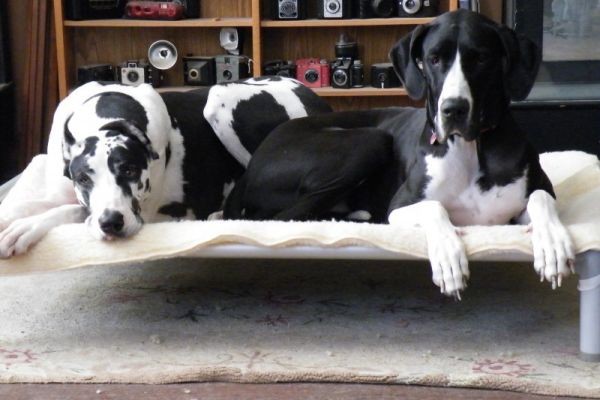
If you share your home with a large dog, you already know how important comfort is. Bigger breeds spend a lot of time resting, and the bed they sleep on can affect their health, mobility, and overall wellbeing. Whether you have a Labrador, German Shepherd, Golden Retriever, Rottweiler, Great Dane, or another large breed, choosing the right dog bed is more important than many people realise.
Veterinarians often see dogs with joint problems, arthritis, pressure sores, and mobility issues. While a dog bed cannot prevent every health condition, it can provide the support your dog needs to stay comfortable and reduce strain on their body.
Many dog owners wonder what vets actually recommend when it comes to large dog beds. Should the bed be soft or firm? Is memory foam worth the money? How large should the bed be? This guide answers these common questions and explains what veterinarians look for when recommending a bed for larger dogs.
Why a Good Dog Bed Matters for Large Dogs
Large dogs place more weight on their joints, bones, and muscles than smaller breeds. Because of this, they often need better support while resting. When a large dog lies on a hard floor, pressure builds up around their hips, elbows, shoulders, and spine. Over time, this can lead to discomfort and make existing joint problems worse.
A properly designed bed helps spread your dog's weight more evenly. This reduces pressure points and allows them to rest comfortably. Better sleep can also improve mood, energy levels, and overall health. Veterinarians often stress that rest is a key part of recovery for dogs dealing with injury, surgery, arthritis, or age-related conditions. A supportive bed helps make that recovery easier.
What Do Veterinarians Look for in a Large Dog Bed?
Vets generally focus on support, comfort, durability, and size when recommending a dog bed. The ideal bed should support the dog's body without allowing them to sink too deeply. It should also hold its shape over time and provide enough room for the dog to stretch out naturally. A bed that looks comfortable at first may not remain supportive after a few months. This is why veterinarians often encourage owners to focus on quality rather than appearance alone.
Supportive Foam Is Often Recommended
One of the most common veterinary recommendations is a high-quality foam bed. Memory foam and orthopaedic foam beds are popular because they conform to the dog's body while providing support underneath. These beds can help reduce pressure on joints and improve comfort, especially for older dogs.
Not all foam beds are equal. Some cheaper products contain thin foam that quickly flattens under a large dog's weight. When this happens, the dog ends up lying close to the floor, losing the support they need. Veterinarians often recommend choosing a bed with thick, dense foam that can handle the weight of a large breed without collapsing.
Orthopaedic Beds for Senior Dogs
As dogs age, their bodies naturally change. Joint stiffness, arthritis, and reduced mobility become more common. Orthopaedic Large dog beds are frequently recommended for senior dogs because they provide extra cushioning and support. These beds are designed to reduce pressure on painful joints while helping dogs get up and lie down more comfortably.
If your dog struggles to climb stairs, hesitates before lying down, or appears stiff after sleeping, an orthopaedic bed may help improve their comfort. Many veterinarians suggest introducing an orthopaedic bed before serious mobility issues develop. Early support can help maintain comfort as dogs get older.
How Large Should the Bed Be?
Size is one of the most overlooked factors when buying a dog bed. Many owners accidentally choose a bed that is too small. Large dogs need room to stretch, roll over, and change positions during sleep.
Veterinarians often recommend measuring your dog while they are lying in their favourite sleeping position. Add extra space around those measurements to ensure the bed is large enough. A bed that is too small can force your dog into awkward positions, reducing comfort and support. A properly sized bed allows natural movement and promotes better rest.
Should the Bed Be Soft or Firm?
Many people assume the softest bed is automatically the best choice. However, veterinarians usually recommend a balance between softness and support.
A bed that is too soft may allow a large dog to sink excessively, placing strain on joints and making it difficult to stand up. A bed that is too firm may create pressure points and discomfort.
The ideal large dog bed provides gentle cushioning while maintaining enough firmness to support the body evenly. This balance helps protect joints while keeping your dog comfortable.
Raised Sides or Flat Beds?
The best choice often depends on your dog's sleeping habits. Some large dogs enjoy resting their head against a raised edge. Bolster-style beds provide side supports that can offer a sense of security and additional neck support. Other dogs prefer stretching out completely. In these cases, a flat mattress-style bed may be more suitable.
Veterinarians generally recommend observing how your dog sleeps. If they regularly lean against furniture, walls, or cushions, they may appreciate a bed with raised sides. If they stretch out fully across the floor, a flat bed may be the better option.
Easy-to-Clean Materials Are Important
Large dogs can bring dirt, mud, hair, and moisture into their beds. Over time, this can create odours and encourage bacteria growth. Veterinarians often recommend beds with removable, washable covers. Regular cleaning helps maintain hygiene and can reduce allergens inside the home.
Water-resistant liners are also useful, particularly for older dogs that may occasionally have accidents. A clean sleeping environment contributes to better skin health and overall comfort.
Durability Matters More for Large Breeds
Large dogs place considerable pressure on their bedding every day. A bed that works well for a small dog may quickly wear out under a heavier breed. Flattened filling, torn seams, and sagging foam can reduce support and comfort.
Veterinarians often advise investing in a durable bed designed specifically for large dogs. Strong stitching, quality materials, and dense foam can help the bed maintain its shape for years. Although a higher-quality bed may cost more initially, it often provides better value in the long run because it lasts longer.
What About Dogs with Arthritis?
Arthritis is one of the most common health concerns in older large dogs.
Dogs with arthritis often experience joint pain, stiffness, and difficulty moving. Veterinarians frequently recommend orthopaedic beds because they reduce pressure on affected joints. Warmth can also be beneficial. Some beds are designed to retain body heat, helping sore joints stay comfortable during colder weather.
If your dog has been diagnosed with arthritis, speak with your veterinarian about the most suitable bedding option for their specific condition. A supportive bed should be part of a broader care plan that may include exercise, weight management, medication, and regular veterinary check-ups.
Can a Dog Bed Help Prevent Joint Problems?
A dog bed cannot guarantee that joint problems will never occur. Genetics, age, weight, activity level, and breed all play important roles. However, veterinarians agree that proper support can reduce unnecessary strain on the body.
Providing a supportive sleeping surface from a young age may help maintain comfort and reduce pressure on developing joints. This is particularly important for large and giant breeds that are already more likely to experience joint issues during their lives.
Signs Your Dog Needs a Better Bed
There are several signs that may suggest your dog's current bed is no longer providing adequate support. You may notice your dog choosing the floor instead of their bed. They may appear stiff when standing up, frequently change positions during sleep, or seem restless throughout the night.
Visible sagging, flattened areas, or worn-out foam are also clear indicators that the bed may need replacing. If your dog appears uncomfortable after resting, it may be worth evaluating whether their current bed is meeting their needs.
How Often Should a Large Dog Bed Be Replaced?
The lifespan of a dog bed depends on its quality, how often it is used, and your dog's weight. Some premium orthopaedic beds can remain supportive for several years. Lower-quality beds may lose their shape much sooner.
Veterinarians often recommend checking the bed regularly for signs of wear. If the foam remains compressed after use or your dog can easily feel the floor beneath the bed, replacement may be necessary. Regular inspection helps ensure your dog continues receiving the support they need.
Choosing the Best Bed for Your Dog
Every dog is different. Age, weight, sleeping style, health conditions, and personal preferences all influence the best choice. A young and healthy Labrador may need a different bed from an elderly Great Dane with arthritis. This is why veterinarians often recommend focusing on your individual dog's needs rather than following trends. Look for a bed that provides proper support, enough space to stretch out, durable materials, and easy cleaning. If your dog has existing health concerns, ask your veterinarian for personalised recommendations.
Conclusion
Veterinarians consistently emphasise the importance of proper support when choosing a large dog bed. A quality bed does more than provide a place to sleep. It helps protect joints, supports muscles, improves comfort, and contributes to your dog's overall wellbeing.
For large breeds, features such as thick orthopaedic foam, adequate size, durability, and easy-to-clean materials are often considered essential. Senior dogs and those with arthritis can benefit even more from supportive bedding.
By selecting a bed that suits your dog's size, sleeping habits, and health needs, you can help them enjoy better rest and greater comfort every day. A well-supported dog is often a happier, healthier companion, and that makes the investment worthwhile.






