
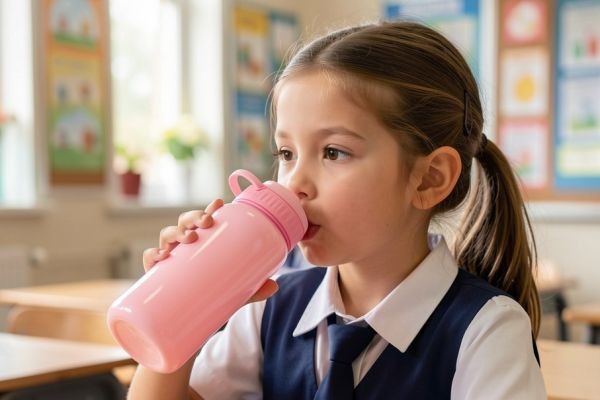
A school day can feel endless for children. From early morning assembly to afternoon dismissal, they move between classrooms, playgrounds, and extracurricular activities. During these hours, hydration plays a critical role in supporting focus, energy, and overall health. That is why choosing the right school water bottle is more important than it may appear.
Parents often wonder whether a standard plastic water bottle or a specialized Kids Water Bottle is better for long hours. Let’s break down the factors that really matter so you can make an informed choice.
Why Long School Hours Require a Thoughtful Choice
Children can spend six to eight hours at school, sometimes more if they attend after-school programs. During this time, they may engage in classroom sessions, physical education, outdoor play, and extra activities. A bottle that leaks, feels too heavy, or runs out of water quickly can disrupt their hydration routine.
The ideal school water bottle is durable, easy to handle, leak-proof, and sufficient in capacity to last through the day without constant refills.
Key Features of a School Water Bottle
When selecting a bottle for long school hours, consider several factors:
Capacity: A bottle that is too small may leave your child thirsty before lunch, while one that is too large can become cumbersome. For younger children, 500–750ml is usually ideal. Older students may need 750ml–1L, especially if they participate in sports or outdoor activities.
Weight: Children already carry backpacks loaded with books and lunchboxes. Lightweight plastic water bottles are easier to carry and reduce strain on shoulders.
Leak Protection: Spills can ruin books or devices. A secure lid that seals tightly is essential to avoid accidents.
Ease of Use: A child-friendly Kids Water Bottle should open easily, preferably with flip-top lids or push-button mechanisms. This encourages consistent hydration without frustration.
Plastic Water Bottles vs. Insulated Bottles
Many parents debate between a standard plastic water bottle and an insulated bottle. Each has advantages, but the choice often comes down to practicality.
A plastic water bottle is lightweight, durable, and simple. It’s easy for younger children to handle, refill, and clean. They are especially suitable for classrooms where water can be refilled from dispensers.
Insulated bottles, including Hot and Cold Water Bottles, maintain temperature for hours, keeping water cool during hot weather or warm in winter. However, they are usually heavier and can become cumbersome for younger children to carry throughout the day.
For everyday classroom use, a high-quality school water bottle made of plastic is often the best compromise between function and convenience.
Design Considerations for Kids Water Bottles
Children are more likely to use a bottle consistently if they like the design. Colorful bottles or those featuring favorite characters can motivate them to drink more water.
However, design should never compromise quality. A good Kids Water Bottle should be BPA-free, have rounded edges, a secure lid, and a wide mouth for easy cleaning. Bottles that are difficult to clean can harbor bacteria, negating their health benefits.
Capacity Considerations
Choosing the right size is critical for long school hours. Here’s a quick guide:
| Size | Age Group | Refill Frequency | Portability | Best Use |
|---|---|---|---|---|
| Small 300–500ml | Nursery–Grade 2 | Likely needed during the day | Very light | Short school hours |
| Medium 500–750ml | Grade 3–Grade 6 | Sometimes | Light | Regular school days |
| Large 750ml–1L | Older students | Rare | Moderate | Sports, long school days |
Most families find that a medium-sized Kids Water Bottle provides the best balance of capacity and portability for standard school hours.
Durability for Active School Days
School life is active. Bottles get tossed in bags, dropped on playgrounds, or rolled across floors. A durable plastic water bottle should resist cracking, warping, and lid damage.
High-quality plastic bottles withstand everyday use better than glass, which can break easily, and are lighter than steel bottles. Durability ensures your child has reliable access to water without interruptions.
Hygiene Matters
For long school days, hygiene is critical. Children may drink from the bottle multiple times, and water can sit in it for hours. To ensure safety, parents should clean bottles daily using warm water and mild soap. Wide-mouth Kids Water Bottles make cleaning easier and help prevent bacteria buildup.
Balancing Temperature and Practicality
While some parents consider insulated bottles for long hours, regular plastic bottles often suffice. If the school provides filtered water, children can refill their bottles with safe, cool water as needed. Insulated bottles are heavier, and their added weight may become inconvenient for younger children.
Cost and Accessibility
Over the school year, families often require several bottles. Plastic options tend to be more budget-friendly and easy to find online. Browsing bottles online helps parents evaluate different sizes, styles, and prices while maintaining quality standards.
Expensive or feature-heavy bottles are not always necessary for everyday classroom use. Safety, capacity, and durability are more important than bells and whistles.
Encouraging Regular Hydration
The right bottle encourages children to drink more water naturally. When a bottle is lightweight, easy to open, and appropriately sized, children are more likely to sip water consistently throughout the day.
Hydration supports concentration, energy, and mood, which are critical for learning and playing. A practical school water bottle quietly helps children stay healthy without drawing attention.
Safety Considerations
When choosing a Kids Water Bottle, always prioritize safety. Ensure the material is BPA-free, lids are secure, and edges are smooth. Avoid complex lids that can trap dirt or break easily.
A safe, well-constructed plastic bottle ensures peace of mind for parents while allowing children to drink independently.
Extended School and After-School Activities
Some students stay for extra lessons, sports practice, or after-school clubs. In these cases, capacity becomes even more critical. Slightly larger bottles may be needed, but they must remain lightweight enough for children to carry comfortably.
Balancing capacity with portability ensures that hydration remains consistent throughout the day.
Practical Recommendation
For most students enduring long school hours, a medium-sized, BPA-free plastic school water bottle is ideal. It provides:
-
Lightweight portability
-
Sufficient capacity
-
Durability for active school life
-
Easy maintenance and cleaning
-
Affordability
This choice balances practicality, safety, and convenience for children.
Conclusion
Choosing the right school water bottle is more than a style decision. It impacts hydration, focus, and overall wellbeing during long hours at school.
A well-designed Kids Water Bottle made from high-quality plastic is lightweight, durable, and leak-proof. It is easy to maintain and encourages children to drink water consistently. While insulated options or specialized bottles may be useful in specific situations, a simple plastic bottle often meets everyday needs best.
Parents can browse and compare options with Water Bottles Online in Pakistan to find bottles that suit both practical requirements and children’s preferences. With the right bottle, hydration becomes effortless, supporting energy, focus, and health from the first bell to the last.
Visit for news and updates at mabiab.com






