
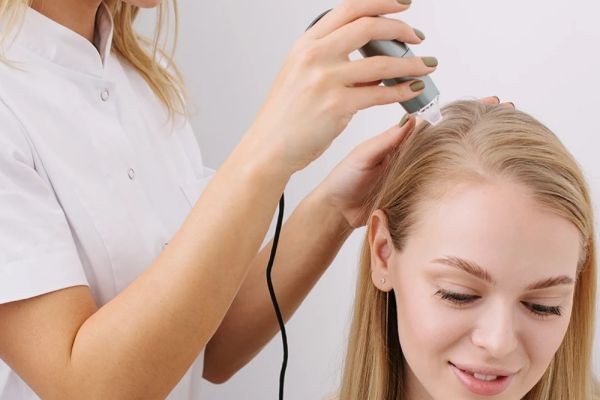
Hair loss in women is often a deeply personal concern, influenced by genetics, hormonal shifts, stress, or medical conditions. Unlike male pattern baldness, female hair loss tends to be more diffuse, making diagnosis and treatment planning more complex. As advanced restoration techniques continue to evolve, more women are exploring surgical solutions when non-surgical options no longer deliver meaningful improvement. In this context, Female Hair Transplant in Dubai [https://www.royalclinicdubai.com/en-ae/hair-transplant/female-hair-transplant/] has become a widely searched solution for those seeking long-term density restoration and natural-looking results, especially when candidacy is properly assessed. Understanding who qualifies for this procedure is essential, as not every case of hair thinning is suitable for surgical intervention.
Understanding Female Hair Loss Patterns
Female hair loss does not usually follow a single predictable pattern. Instead, it often appears as gradual thinning across the crown, widening of the part line, or reduced overall volume. One of the most important factors in determining suitability for surgery is identifying whether the hair loss is stable or actively progressing. Conditions such as androgenetic alopecia, traction alopecia, or localized scarring alopecia each behave differently and require distinct evaluation approaches. Women with diffuse thinning across the entire scalp may not always be ideal candidates, as successful transplantation depends on clearly defined recipient areas and stable donor regions.
Key Medical Criteria for Candidacy
A critical step in determining eligibility for hair restoration surgery is understanding the underlying medical cause of hair loss. Ideal candidates typically have a confirmed diagnosis of pattern-related or localized hair loss rather than temporary shedding conditions such as telogen effluvium. Medical stability plays a major role, as ongoing shedding can compromise long-term results. Hormonal balance is also assessed, especially in cases involving thyroid disorders or polycystic ovarian syndrome, which can contribute to unpredictable hair thinning patterns. Candidates are generally expected to have realistic expectations, recognizing that the goal is improvement in density and coverage rather than restoring childhood-level fullness.
Age, Stability, and Hormonal Considerations
Age is not a strict limitation, but it significantly influences candidacy evaluation. Younger women experiencing early-stage hair loss may be advised to wait until the pattern stabilizes, as premature intervention can lead to uneven long-term outcomes. Stable hair loss over time is one of the strongest indicators that surgical restoration may be effective. Hormonal fluctuations, particularly those associated with pregnancy, postpartum changes, or menopause, are also carefully reviewed. A stable hormonal environment supports better graft survival and reduces the likelihood of future unpredictable shedding in untreated areas.
Donor Area Evaluation and Its Importance
The success of a female hair transplant depends heavily on the quality and density of the donor area, typically located at the back or sides of the scalp. Ideal candidates must have sufficient healthy follicles in these regions to allow safe extraction without causing visible thinning. The donor hair should be genetically resistant to future hair loss to ensure long-term stability of transplanted grafts. In some women, diffuse thinning can also affect the donor region, which may limit suitability for surgery. A thorough evaluation ensures that the donor supply is strong enough to achieve meaningful coverage in the recipient area while maintaining a natural appearance in the donor zone.
Psychological Readiness and Realistic Expectations
Emotional readiness is an often overlooked but essential component of candidacy. Women considering hair restoration should have a clear and realistic understanding of what surgery can and cannot achieve. While modern techniques can significantly enhance density and restore hairline structure, they cannot replicate the original natural density of untouched hair. Candidates who understand this distinction tend to report higher satisfaction with their outcomes. Psychological stability and a well-informed perspective also contribute to smoother recovery experiences and better appreciation of gradual post-procedure results.
When Surgery Is Not Recommended
There are certain conditions where hair transplant surgery may not be advisable. Women experiencing active inflammatory scalp conditions, uncontrolled medical disorders, or widespread diffuse hair loss without a stable donor area may not benefit from surgical intervention. Similarly, temporary hair shedding caused by stress, nutritional deficiencies, or hormonal fluctuations should be addressed first through medical management. In such cases, restoring overall hair health is prioritized before considering any surgical approach. Proper diagnosis ensures that unnecessary procedures are avoided and that long-term hair health remains the primary focus.
Exploring Alternatives Before Surgery
Before proceeding with transplantation, many women explore non-surgical treatments designed to strengthen existing hair and improve scalp health. These may include topical therapies, nutritional support, and regenerative treatments that stimulate follicle activity. In some cases, these approaches can stabilize hair loss and even improve density, potentially reducing the need for surgery. However, when such methods no longer produce satisfactory results, surgical restoration becomes a more definitive option for achieving visible improvement.
In conclusion, determining candidacy for hair restoration requires a careful and individualized evaluation of medical history, hair loss pattern, donor availability, and emotional readiness. Women who meet these criteria often achieve the most natural and satisfying outcomes, especially when considering Female Hair Transplant [https://sngine.fr/blogs/61291/Advanced-Hair-Restoration-Solutions-Designed-for-Women] as a long-term solution for restoring confidence and achieving fuller, healthier-looking hair.






