
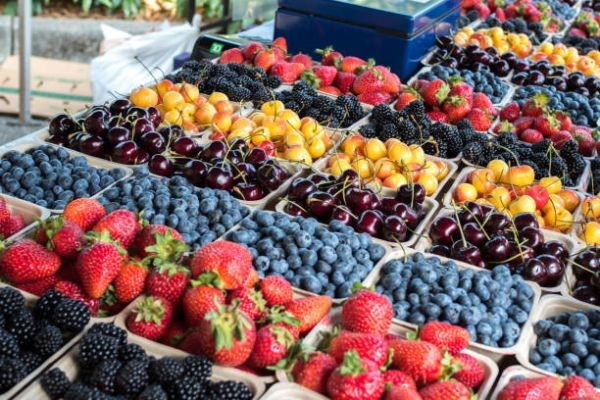
Berries have become an essential part of everyday diets across the United Kingdom, reflecting a broader shift toward healthier food choices and nutrient-rich eating patterns. Whether enjoyed fresh at breakfast, blended into smoothies, or added to desserts and salads, strawberries, blueberries, raspberries, and blackberries continue to attract consumers seeking both flavor and nutritional value. Their versatility, convenience, and naturally high antioxidant content have made berries one of the most preferred fruit categories among health-conscious households.
According to a recent UK berries market report by MarkNtel Advisors, consumer preferences continue to evolve as demand grows for fresh, organic, and sustainably sourced berries across retail and foodservice channels. The UK berries market analysis also highlights the increasing availability of berries through supermarkets, grocery stores, and online platforms, making them more accessible throughout the year. These developments reflect changing purchasing habits and broader investments in supply chain efficiency and cultivation practices.
Rising Health Awareness Is Driving Berry Consumption
One of the strongest factors supporting berry consumption is growing awareness of their nutritional benefits. Berries are naturally rich in vitamins, dietary fiber, antioxidants, and plant compounds that contribute to overall wellness. They are commonly associated with supporting heart health, maintaining healthy digestion, and reducing oxidative stress.
Organizations such as the UK's National Health Service encourage the consumption of a variety of fruits as part of a balanced diet, while the World Health Organization recommends increasing fruit and vegetable intake to help lower the risk of noncommunicable diseases. These recommendations continue to encourage consumers to include berries in their daily meals.
The popularity of berries also aligns with modern dietary preferences, including plant-based eating, clean-label foods, and minimally processed ingredients. Consumers increasingly value foods that combine convenience with nutritional quality.
Domestic Farming and Seasonal Production Continue to Improve
The UK berry sector has witnessed significant improvements in farming practices over recent years. Growers are investing in protected cultivation systems such as polytunnels, precision irrigation, and improved crop management techniques to extend growing seasons while maintaining fruit quality.
Technological innovations have also enhanced harvesting, storage, and transportation, helping reduce food waste and preserve freshness throughout distribution. These improvements allow retailers to offer high-quality berries for longer periods while supporting domestic agricultural production.
In addition, sustainability has become a major focus for producers. Many farms are adopting water-efficient irrigation systems, integrated pest management, and environmentally responsible cultivation methods to meet both regulatory expectations and consumer demand.
Retail Expansion Makes Berries More Accessible
Modern retail channels have significantly increased the availability of berries across the UK. Large supermarket chains now offer a broad selection of fresh, frozen, and organic berry products throughout the year, while online grocery platforms provide convenient home delivery options.
Consumers are also purchasing berries in multiple formats, including ready-to-eat snack packs, frozen fruit mixes, smoothie blends, yogurt toppings, and bakery ingredients. This growing product diversity allows berries to appeal to different age groups and lifestyles.
Foodservice businesses have contributed as well, incorporating berries into breakfast menus, desserts, beverages, salads, and healthy snacks, further strengthening consumer familiarity and demand.
Sustainability Is Becoming a Purchase Priority
Environmental awareness increasingly influences purchasing decisions. Consumers are paying closer attention to packaging materials, production methods, and sourcing practices when selecting fresh produce.
Berry producers and retailers have responded by introducing recyclable packaging, reducing plastic usage, improving cold-chain logistics, and supporting local sourcing initiatives. Sustainable farming certifications and transparent supply chains are becoming valuable differentiators in the marketplace.
Government initiatives promoting healthier diets alongside sustainable agriculture also encourage greater investment in responsible berry production. These combined efforts contribute to a more resilient food system while meeting evolving consumer expectations. Information from the UK Government and the Food and Agriculture Organization highlights the importance of sustainable agricultural practices in strengthening long-term food security.
Innovation Is Creating New Opportunities
Innovation continues to shape the future of berry production and consumption. Plant breeding programs are developing berry varieties with improved taste, longer shelf life, and greater resistance to pests and climate variability.
Advances in agricultural technology, including automated harvesting research, precision farming, and climate monitoring systems, are helping growers improve productivity while maintaining fruit quality. Researchers are also exploring robotics and artificial intelligence to address labor challenges associated with delicate berry harvesting.
On the consumer side, manufacturers are introducing berry-based functional beverages, nutritional snacks, dairy alternatives, frozen products, and natural ingredient applications, expanding the role of berries well beyond fresh consumption.
Looking Ahead
The future of berry consumption in the United Kingdom will likely be influenced by continued health awareness, sustainable farming initiatives, technological innovation, and changing consumer lifestyles. As shoppers increasingly prioritize nutritious, convenient, and responsibly produced foods, berries remain well positioned to play a larger role within everyday diets.
Industry stakeholders can explore more in this report, which examines product segmentation, distribution channels, consumer preferences, and emerging opportunities shaping the UK berry landscape. As highlighted in this UK berries market analysis, ongoing developments in cultivation practices, retail accessibility, and sustainability are expected to remain central themes influencing the sector's evolution.






