
A big storm blew through my area last month, and by the next day, my Starlink connection had basically stopped working the way it should. There was no error message, no visible damage, nothing that suggested an obvious problem. Just constant buffering, dropped video calls, and a signal that kept cutting out randomly throughout the day. My first assumption was a router failure, or maybe some kind of Starlink outage in the region. After digging into it, the real cause turned out to be far simpler than expected, something most people never think about until they run into it: starlink satellite alignment. The storm's winds had nudged the dish just slightly out of place, and that small shift alone was enough to crush my speeds.
This is one of the biggest adjustments people face when moving from regular home internet to Starlink. There's no modem quietly sitting in a corner, doing its thing for years without a second thought. The dish, often called "Dishy" by longtime users, needs a clean, unobstructed view of the sky to keep tracking the satellites constantly moving overhead. Because of this, even a slight tilt, a small blockage, or a minor shift in position can create real, noticeable performance issues. It's a far more delicate system than cable or fiber internet, and that's exactly why proper alignment matters so much.
Think about everything that can quietly shift around a stationary dish over time. A tree that seemed small when the dish first went in can grow tall enough within a season to block part of the sky. A neighbor might build a new structure, install a fence, or park a large vehicle in a spot that used to be open. Snow buildup, ice on the mount, or leftover storm debris can nudge the dish's position just enough to cause trouble. Wind by itself, particularly in storm-prone regions, can gradually loosen mounting hardware without leaving any visible sign of damage. Any one of these small factors, even a shift of just a couple of degrees, is enough to quietly wreck your connection long before you understand why.
What makes this particularly frustrating is that the symptoms rarely point directly to alignment. Most people's first instinct is to blame the router, question their internet plan, assume heavy network traffic, or suspect a wider outage. So you end up restarting devices, unplugging cables, or reaching out to support, all before realizing the dish simply doesn't have enough open sky to work with anymore. This tends to happen most often right after severe weather, since storms are one of the most common causes behind these subtle shifts in dish position.
The good news is that confirming whether alignment is the actual issue is usually much simpler than people expect. The Starlink app comes with a built-in obstruction check that scans the sky and shows exactly where the view is blocked, whether from trees, buildings, or anything else nearby. Making it a habit to run this check after storms, high winds, or any physical changes near the setup can save a lot of unnecessary troubleshooting. In most cases, the fix is straightforward: retighten the mount, adjust the angle a few degrees, or move the dish a short distance to a clearer patch of sky.
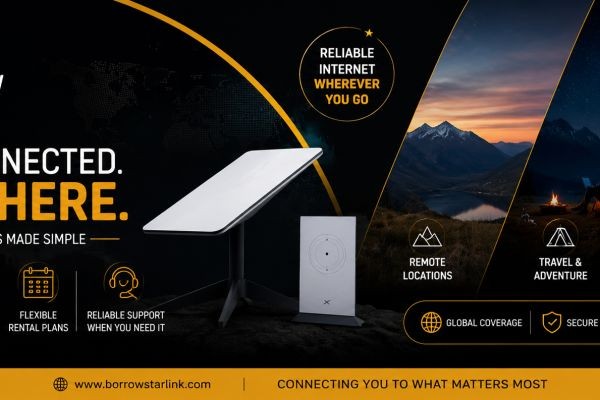
For anyone renting Starlink equipment instead of buying it outright, this is exactly the kind of thing worth asking about before setup even begins. Getting a properly calibrated setup from day one, with real attention paid to the surrounding environment and a clear path for satellite alignment, prevents a lot of frustration down the road. It also reduces the chance of unexpected service interruptions, which matters a lot if you're depending on that connection for remote work, a short-term event, travel, or an off-grid stay where dependable internet isn't optional.
Storms aren't the only thing that can throw off alignment either. Seasonal changes play a much bigger role than most people assume. As the sun's angle shifts throughout the year, obstructions that caused zero trouble in summer can suddenly start blocking part of the sky once winter arrives and the sun sits lower on the horizon. A tree that seemed harmless back in July might block a meaningful chunk of sky by December. This is why some users find their once-reliable connection suddenly acting up, even though nothing near the dish was physically touched. The surrounding environment simply changed with the season.
It's also worth noting that alignment issues don't always show up as a dramatic, complete loss of signal. Sometimes it's a slow, gradual decline in performance that's easy to overlook at first. Video calls that used to run smoothly start looking slightly grainy. Downloads that used to finish quickly start taking noticeably longer. Streaming quality might quietly drop from high definition to standard without any clear explanation. These subtler warning signs are often the earliest indicator that something has shifted, well before a full outage happens. Catching these gradual changes early, instead of waiting for a full breakdown, makes it much easier to fix alignment issues before they turn into a bigger disruption.
It's also easy to mistake an alignment issue for outright hardware failure, leading some people to assume the dish needs replacing when a simple repositioning would have solved everything. Before jumping to that conclusion, it's always worth checking alignment first, since it only takes a few minutes and often resolves the entire issue at no extra cost.
At the end of the day, Starlink remains a remarkable piece of technology, bringing dependable internet to places traditional broadband simply can't reach, from remote cabins and rural land to boats, RVs, and short-term event sites. But because it relies on a precise physical setup, it needs a bit of ongoing attention to keep performing at its best. Understanding just how much starlink satellite alignment affects your day-to-day connection, and knowing how quickly it can be checked and corrected, turns what feels like a confusing internet mystery into a quick, manageable fix. Next time your connection acts up right after a storm or a change nearby, checking the alignment first can save you hours of needless troubleshooting and get you back online in no time.






