
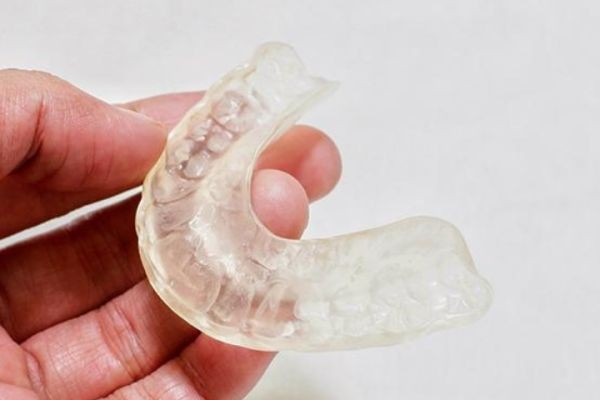
Bruxism is a condition in which people involuntarily grind or clench their teeth, often during sleep, and can gradually lead to tooth wear and jaw discomfort if left untreated. While occasional grinding may not seem serious, persistent bruxism can gradually wear down teeth and lead to long-term oral health complications. Early diagnosis and treatment are necessary to protect your natural teeth and avoid more intricate dental procedures in the future. A nylon splint is often recommended to help manage teeth grinding by creating a protective layer between the upper and lower teeth, reducing wear and minimising damage.
Understanding Bruxism
Bruxism is the involuntary habit of clenching or grinding the teeth. It may occur during the day due to stress or concentration, but it is most commonly associated with sleep. Because many people are unaware they grind their teeth at night, the condition often goes undetected until noticeable symptoms appear. Common signs include morning headaches, jaw stiffness, worn teeth, increased tooth sensitivity, and discomfort while chewing. Factors such as emotional stress, anxiety, sleep disorders, certain medications, and bite irregularities may all contribute to the development of bruxism.
How Bruxism Damages Natural Teeth
The continuous pressure created by grinding places enormous force on the teeth and supporting structures. Over time, the protective enamel gradually wears away, exposing the softer dentine beneath. As enamel becomes thinner, teeth become increasingly sensitive to hot, cold, and sweet foods. Ongoing grinding may also cause small cracks to develop, eventually leading to chipped or fractured teeth that require restorative treatment. Excessive force can also place stress on the jaw joints and the covering muscles, resulting in facial pain, headaches, and reduced jaw movement. If left untreated, bruxism may even contribute to gum recession and further compromise overall oral health.
Why Early Treatment Matters
Detecting bruxism in its early stages allows dental professionals to prevent significant damage before it becomes irreversible. During a routine dental examination, early signs such as flattened chewing surfaces, minor enamel wear, or subtle fractures can often be identified before the patient experiences severe symptoms. Addressing the condition promptly helps preserve healthy tooth structure, reduces the risk of expensive restorative procedures, and supports long-term oral health. Early treatment also relieves jaw discomfort and improves overall sleep quality for many individuals.
The Role of Protective Splints
One of the most effective ways to manage bruxism is to use a custom-made dental splint. These appliances are worn while sleeping and help prevent the upper and lower teeth from making direct contact. By evenly distributing biting forces, a splint significantly reduces further tooth wear and minimises pressure on the jaw joints. Depending on individual clinical needs, dental professionals may recommend different materials. A nylon occlusal splint is one option that offers flexibility, durability, and comfort for suitable patients while helping protect the teeth from the damaging effects of grinding.
Additional Ways to Reduce Bruxism
Although protective splints provide valuable protection, lifestyle modifications can also help manage bruxism. Learning effective stress management techniques such as regular exercise, mindfulness, or relaxation exercises may reduce unconscious clenching caused by anxiety. Improving sleep habits by maintaining a consistent bedtime routine can also support better sleep quality. Reducing caffeine and alcohol consumption during the evening may further decrease grinding episodes in some individuals. Regular dental checkups remain important because they allow ongoing monitoring of tooth wear and adjustments to treatment where necessary.
Protecting Your Natural Smile
Natural teeth are built to remain healthy for many years, yet untreated bruxism can cause progressive damage that shortens their lifespan. Maintaining excellent oral hygiene, attending regular dental examinations, and seeking professional advice as soon as symptoms develop can significantly improve long-term oral health outcomes. Early intervention helps preserve tooth structure, reduce discomfort, and lower the likelihood of needing crowns, fillings, or other restorative procedures later in life.
FAQs
1. What is bruxism?
Bruxism is the involuntary grinding or clenching of teeth during the day or while sleeping, often without the person being aware of it.
2. What are the first signs of bruxism?
Early signs include jaw pain, morning headaches, tooth sensitivity, worn teeth, facial muscle soreness, and disturbed sleep.
3. Can bruxism permanently damage teeth?
Yes. If left untreated, bruxism can cause irreversible enamel wear, tooth fractures, gum recession, and damage to dental restorations.
4. How does a dental splint help?
A dental splint creates a protective barrier between the upper and lower teeth, reducing grinding forces and helping prevent further tooth wear.
5. Can bruxism be managed without surgery?
Yes. Most cases are managed through custom dental splints, stress management, improved sleep habits, and regular dental monitoring, with surgery rarely being required.






