
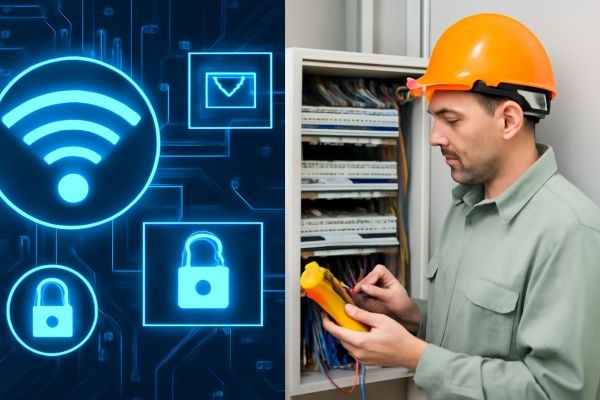
Modern homes and commercial buildings rely on far more than electrical power to function efficiently. Security cameras, access control systems, structured cabling, Wi-Fi networks, audio systems, fire alarms, intercoms, and smart building technologies all depend on reliable low voltage infrastructure.
As these technologies become more integrated, the quality of the wiring behind them becomes just as important as the devices themselves.
A professionally designed and installed low voltage system provides the foundation for reliable communication, security, and connectivity. This is why many property owners work with experienced low voltage wiring contractors to ensure every system is installed correctly, performs consistently, and is ready to support future technology upgrades.
Understanding the Role of Low Voltage Wiring
Low voltage wiring carries the signals that allow modern technology systems to communicate and operate efficiently. Unlike standard electrical wiring, these systems support communication, automation, monitoring, and data transmission throughout a building.
Common low voltage applications include:
- Security camera systems
- Access control systems
- Network and data cabling
- Telephone systems
- Wi-Fi infrastructure
- Audio and video distribution
- Intercom systems
- Fire alarm systems
- Building automation systems
Although these systems serve different purposes, they all rely on properly planned wiring to deliver reliable performance.
Why Professional Installation Matters
Low voltage systems often appear simple on the surface, but successful installation requires careful planning and technical expertise.
Improper installation can result in:
- Poor network performance
- Unstable security camera connections
- Communication failures
- Signal interference
- Frequent troubleshooting
- Costly future repairs
Experienced low voltage wiring contractors understand how different systems interact and how to install structured cabling that supports long-term reliability.
A properly installed infrastructure minimizes future issues while allowing connected technologies to perform as intended.
Safety Begins with Proper Infrastructure
Safety is one of the most important reasons to invest in professional low voltage installation.
Many safety and security systems rely entirely on dependable wiring, including:
- Fire alarm systems
- Emergency communication systems
- Access control solutions
- Video surveillance
- Security monitoring equipment
If wiring is poorly installed or improperly organized, these systems may not perform reliably when they are needed most.
Professional installation helps ensure that critical safety systems remain dependable while meeting applicable installation standards and manufacturer recommendations.
Reliable Connectivity Supports Daily Operations
Businesses and homeowners increasingly depend on uninterrupted connectivity.
Network interruptions can affect:
- Internet access
- Cloud-based applications
- Security monitoring
- Video conferencing
- Building automation
- Communication systems
A well-planned cabling infrastructure supports consistent performance while reducing network instability caused by poor wiring practices.
Reliable connectivity improves productivity and enhances the overall user experience.
Planning Today Prevents Costly Changes Tomorrow
Technology continues to evolve rapidly. Buildings constructed today are likely to require additional devices and connected systems in the future.
Forward-thinking installation helps property owners prepare for:
- Network expansion
- Additional security cameras
- Smart building technologies
- Wireless access point upgrades
- New communication systems
- Future automation projects
Planning for future growth during the initial installation is often far less expensive than replacing or redesigning infrastructure later.
Experienced contractors consider long-term scalability when designing low voltage systems.
Better Cable Organization Improves System Performance
Low voltage wiring should remain organized, clearly labeled, and professionally managed throughout the building.
Good cable management provides several important advantages:
- Easier troubleshooting
- Faster maintenance
- Reduced signal interference
- Improved airflow within equipment rooms
- Cleaner installations
- Simplified future upgrades
An organized wiring infrastructure also allows technicians to identify and service individual systems more efficiently.
Supporting Multiple Integrated Systems
Modern buildings often combine multiple technologies into a single connected environment.
For example, security cameras may integrate with:
- Access control systems
- Mobile applications
- Alarm monitoring
- Visitor management systems
- Building automation platforms
Likewise, structured network cabling supports communication between numerous business applications and connected devices.
Professional installation helps ensure these systems work together efficiently without unnecessary compatibility issues.
Why Businesses Depend on Experienced Contractors
Commercial environments place high demands on communication and security infrastructure.
Businesses require systems that remain reliable throughout daily operations while supporting future expansion.
Experienced wiring contractors help organizations by:
- Designing structured cabling systems
- Supporting business continuity
- Improving network reliability
- Reducing future maintenance challenges
- Creating scalable infrastructure
Their expertise helps businesses protect technology investments while maintaining operational efficiency.
Technology Is Changing Low Voltage Infrastructure
The demand for connected buildings continues to grow.
Today's low voltage systems increasingly support:
- Smart building technologies
- Internet of Things (IoT) devices
- Cloud-based security platforms
- Artificial intelligence (AI) analytics
- Remote monitoring
- Integrated communication systems
As buildings become more connected, the quality of the underlying wiring infrastructure becomes even more important.
Professional installation creates the foundation needed to support these advanced technologies for years to come.
Choosing the Right Low Voltage Wiring Contractor
Selecting the right contractor is an important decision for both residential and commercial projects.
When evaluating low voltage contractors, property owners should consider:
- Experience with similar projects
- Knowledge of current industry standards
- Structured cabling expertise
- System integration capabilities
- Attention to installation quality
- Ability to design scalable infrastructure
- Strong project planning and communication
Choosing an experienced contractor helps reduce installation problems while supporting long-term system reliability.
Long-Term Benefits of Professional Installation
Investing in professional low voltage installation provides lasting value.
Well-designed systems help property owners:
- Improve building security
- Increase network reliability
- Reduce maintenance costs
- Support future technology upgrades
- Improve operational efficiency
- Protect technology investments
These advantages contribute to stronger building performance while creating a better experience for occupants and system administrators alike.
Conclusion
Low voltage infrastructure has become an essential part of modern residential and commercial buildings. From security systems and structured cabling to communication networks and smart technologies, reliable performance begins with quality installation.
By working with experienced low voltage wiring contractors, property owners can create a strong foundation for safety, connectivity, and long-term technology growth. Professional installation not only improves system performance today but also prepares buildings for future innovations, making it a valuable investment for homes, businesses, and commercial facilities alike.






