
Food takeaway has grown from simple street carts to large food delivery networks. In early days, food often reached homes cold, losing taste along the way. People wanted hot food after ordering, but lack of proper wrapping made that hard. This gap pushed restaurants to search for insulation methods. Think of fries or pizza ordered on a busy evening.
If fries cool fast, they turn soft. If pizza loses heat, cheese hardens. Such changes hurt trust between customer and business. Food insulation became necessary because it helped food travel in better shape.
What Role Does Heat Retention Play in Taste and Freshness?
Heat carries flavor. A plate of noodles, a burrito, or a curry all taste better when served hot. When food cools during delivery, flavors fade, sauces separate, and textures change. Retaining heat keeps taste closer to how chefs intend. Consistency also matters.
A customer who once receives hot noodles but next time cold noodles may stop trusting the brand. Good wrapping that keeps food hot creates steady results. Steady results keep customers loyal. Restaurants that master heat retention can build long-term trust, which is valuable in a crowded market.
Why Does Moisture Control Matter in Takeaway Wrapping?
Moisture is as important as heat. When there is too much moisture, bread turns wet, fries lose crunch, and fried chicken softens. When moisture is too low, cakes or sandwiches dry out. Both ruin experience.
Insulation materials try to balance this by letting some steam out while keeping food hot. This balance protects texture. Food smell also depends on this control. If steam builds up, the food smell may shift and feel heavy. When wrapping handles moisture, aroma stays closer to kitchen smell.
Think about a slice of pizza wrapped wrong. Too much trapped steam makes the base soggy. If left open, the base dries. Customers sense these changes fast. Restaurants often test wrapping until they find balance. Moisture control, though less visible than heat, plays a key part in food quality. Customers may not see the process, but they notice results on the first bite.
How Does Proper Wrapping Improve Customer Experience?
Ordering takeaway often comes with the expectation of comfort. A person tired after a long day wants to open a box and enjoy food without worry. When wrapping keeps food hot and neat, customers feel valued.
Presentation also adds to this. A burger that holds shape or fries that stay apart feel satisfying. If a customer opens a box to find food stuck or falling apart, experience drops even if taste remains. wrapping acts as a silent service that shapes the mood of food.
This connection affects reviews and word of mouth. A satisfied customer may recommend a place to friends. A disappointed one may not return. Restaurants that understand this invest in wrapping as part of service. Food that looks good on arrival often shapes the memory of food more than flavor alone.
What Types of Materials Are Used for Food Insulation?
Food types need different wrapping. Soups need paper that holds heat longer. Burgers and sandwiches need wraps that allow steam to escape while keeping heat. Fried foods need linings that handle grease. Each case calls for a unique approach.
Materials include layered cardboard, reflective wraps, and vented papers. Each works in its own way to balance heat and air. With demand for greener solutions, many businesses also turn to paper and plant-based materials that serve the same role without waste.
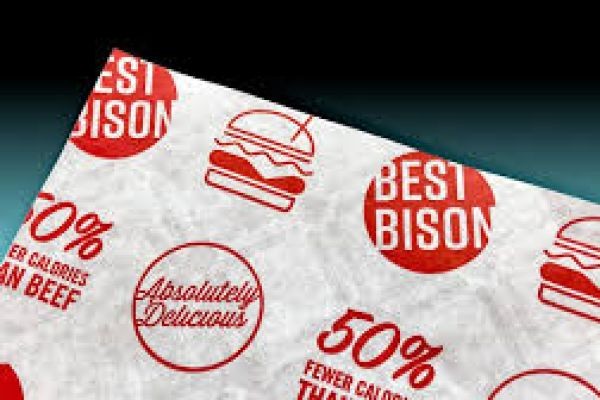
One modern choice is custom hot paper. This combines insulation with safe use for food. It helps restaurants send food that stays hot while using material that customers accept as safe. The food industry keeps testing such options to match both customer comfort and modern concerns about the environment.
Why Should Restaurants Care About Wrapping Consistency?
Wrapping choices reflect the brand. When wrapping works well once but fails next time, customers lose faith. Consistency tells customers that the brand cares about quality. This is why many restaurants look for steady suppliers who understand the role of wrapping.
Businesses prefer to work with names they can rely on. Companies like wax papers help by offering wrapping options that remain steady across orders. For startups, such support means fewer mistakes and stronger customer trust.
How Does Food-Safe Wrapping Ensure Trust and Safety?
Heat alone is not enough. Wrapping must also be safe. Materials that react under heat can affect taste or even health. Customers want food hot but also safe to eat. This is where custom food papers come in.
It allows food to stay insulated without risk. Restaurants that choose safe materials send a clear message: they care about customer well-being. Customers may not check wrapping details, but they sense safety when food arrives clean and unaffected.
Trust grows from such choices. People return not only for taste but for assurance that food is safe. In a time when many care about food origin and handling, safety in wrapping matters as much as cooking.
What Future Does Food Insulation Hold for Takeaway Businesses?
Food insulation will keep changing as delivery grows. Businesses look for ways to keep food hot longer, prevent leaks, and reduce waste. New ideas appear often, from smart paper that holds temperature to wraps made from plants.
The future also brings a stronger focus on sustainability. Customers want wrapping that keeps food fresh but also leaves less waste. Businesses that balance insulation with responsibility will stay ahead.






