
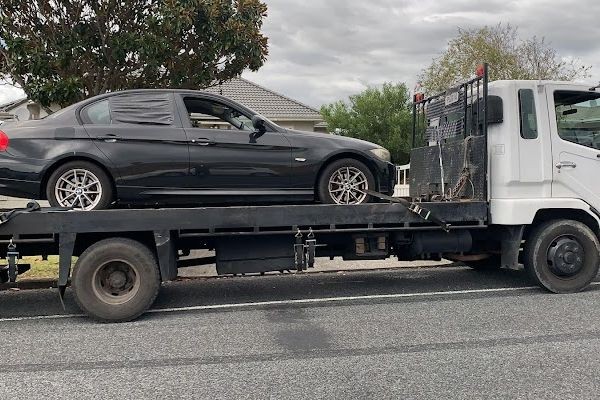
Many people believe that a vehicle loses all worth once it becomes too old, damaged, or costly to repair. A car sitting unused in a driveway may appear to have reached the end of its journey. However, this is not the case.
Even when a vehicle can no longer serve as daily transport, it still contains materials, parts, and resources that remain useful. Across Australia, unwanted vehicles continue to play an important role long after they leave the road.
From metal recycling to spare parts recovery, old vehicles often hold more worth than owners realise. Understanding what happens to these vehicles helps explain why they continue to attract interest even when they are no longer roadworthy.
Vehicles Are Made from Valuable Materials
A modern vehicle contains a large amount of metal. Steel and aluminium make up a significant portion of its structure. These materials can be recovered and used again in manufacturing.
Recycling metal reduces the need for new mining activities. This helps conserve natural resources and lowers energy use. According to industry estimates, steel is one of the most recycled materials in the world, making vehicle recycling an important part of resource recovery.
Even vehicles that have been involved in accidents still contain metal that can be processed and reused. This alone gives old vehicles ongoing worth.
Many Parts Can Have a Second Life
Not every component inside an unwanted vehicle is damaged. In many cases, several parts remain in working condition.
Items commonly removed for reuse include:
- Engines
- Gearboxes
- Alternators
- Starter motors
- Radiators
- Doors
- Mirrors
- Wheels
- Seats
- Electronic components
Vehicle owners often search for replacement parts for older models. Used components provide an option for keeping these vehicles on the road without sourcing newly manufactured parts.
This demand helps create ongoing interest in unwanted vehicles, even when they are no longer suitable for driving.
Scrap Metal Markets Influence Vehicle Worth
The metal recovery industry plays a major role in determining how much an unwanted vehicle is worth.
Steel, aluminium, copper, and other metals found in vehicles are collected, sorted, and processed before being sent for reuse. The amount of recoverable metal inside a vehicle can affect its overall worth.
Larger vehicles such as four-wheel drives, vans, and utes often contain more metal than smaller passenger cars. As a result, they may attract greater interest when they reach the end of their road life.
The condition of the vehicle can vary, but the presence of recyclable materials remains important.
Older Vehicles Help Support Repairs
Many older vehicle models remain on Australian roads. Finding replacement parts for these vehicles can become difficult as manufacturers stop producing certain components.
Unwanted vehicles help fill this gap.
Parts recovered from end-of-life vehicles often find their way into repair workshops and parts suppliers. This allows owners of older vehicles to maintain and repair their cars using original components.
Without this source of parts, maintaining some older models would become much more challenging.
Cash for Cars St Albans service page provides details on vehicle removal options and cash offers for unwanted cars in the St Albans area: https://www.bestcashforcarz.com.au/cash-for-cars-st-albans/
Environmental Responsibility Adds Importance
Vehicle recycling is not only about recovering materials. It also helps reduce environmental impacts.
When an unwanted vehicle is processed correctly, several potentially harmful substances are removed and managed carefully. These include:
- Engine oil
- Brake fluid
- Transmission fluid
- Coolant
- Batteries
If abandoned vehicles are left unattended, these substances can leak into surrounding areas. Proper vehicle dismantling helps prevent this issue.
Recycling also reduces the amount of waste sent to landfill sites. This creates a more responsible approach to handling vehicles that have reached the end of their usable life.
The Demand for Vehicle Components Continues
The automotive industry relies on a constant supply of parts and raw materials. As long as vehicles remain on the road, there will be demand for replacement components.
Many workshops source parts from dismantled vehicles because certain items remain difficult to obtain through other channels.
Electronic modules, sensors, interior fittings, and mechanical components often retain usefulness even after a vehicle has stopped operating.
This continuing demand supports the idea that unwanted vehicles still have a purpose long after they stop being driven.
Turning an Unwanted Vehicle into Something Useful
When a vehicle has become too costly to maintain or repair, many owners begin looking for practical ways to remove it. Services that provide cash for unwanted cars Melbourne create a pathway for these vehicles to enter the recycling and dismantling process. Companies such as Best Cash For Cars Melbourne help connect vehicle owners with solutions that allow old, damaged, or unused cars to be collected and assessed for recyclable materials and reusable parts. Rather than allowing a vehicle to sit idle and deteriorate further, this process helps ensure that valuable resources continue to serve a purpose.
Even Damaged Vehicles Retain Worth
Many people assume that accident-damaged vehicles have no remaining use. In reality, this is often far from true.
While some sections of a vehicle may be beyond repair, many components survive with little or no damage. Parts from these vehicles can often be removed and used elsewhere.
Even if no parts are suitable for reuse, the metal structure still contributes to the vehicle's overall worth. This means that heavily damaged vehicles can continue to play a role in recycling operations.
The Journey Does Not End with the Last Drive
A vehicle's final trip on the road is not the end of its story. Once it reaches a recycling or dismantling facility, it enters a new phase where valuable materials and components are recovered.
Metals are recycled into new products. Parts are supplied for repairs. Fluids and batteries are handled responsibly. Materials that would otherwise become waste are given another purpose.
This process helps reduce resource consumption while supporting industries that rely on recycled materials and replacement vehicle components.
Conclusion
Unwanted vehicles continue to hold worth for many reasons. Their metal content, reusable parts, and recyclable materials all contribute to their ongoing importance. They support repair industries, reduce waste, and help conserve resources that would otherwise require new extraction.
Although a vehicle may no longer operate on the road, its usefulness often continues in different forms. Through recycling and parts recovery, old vehicles remain connected to the automotive industry long after their driving days have ended. Understanding this process highlights why unwanted vehicles still carry worth at the end of their road life.






