
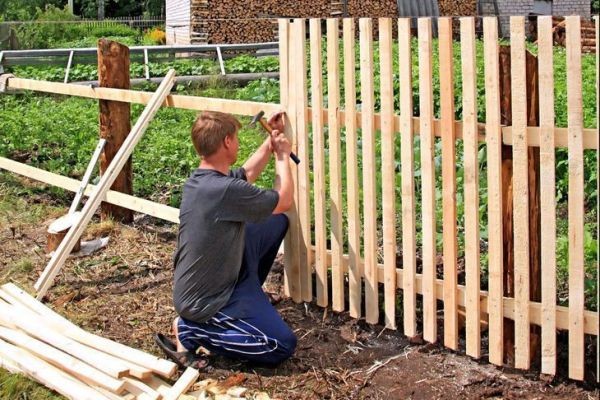
A well-built fence does more than define the boundaries of your property. It adds privacy, improves security, enhances curb appeal, and increases the overall value of your home. Among the many fencing options available today, wood remains one of the most popular choices due to its timeless appearance, versatility, and natural charm. Whether you're planning a DIY project or hiring professionals, understanding the essentials of wood fence installation can help you make informed decisions and ensure long-lasting results.
Why Choose a Wood Fence?
Wood fences have been a favorite among homeowners for decades because they offer a perfect combination of beauty and functionality. Unlike metal or vinyl fencing, wood provides a warm and natural aesthetic that blends seamlessly with almost any landscape or architectural style.
One of the greatest advantages of wood fencing is its customization. Homeowners can choose from various styles, heights, finishes, and wood species to create a fence that complements their property. From classic picket fences to tall privacy fences, wood offers unmatched flexibility in design.
Additionally, wood is an environmentally friendly material when sourced responsibly, making it a sustainable option for eco-conscious homeowners.
Benefits of Professional Wood Fence Installation
While some homeowners attempt to install fences themselves, professional wood fence installation offers several advantages that can save time, money, and future maintenance costs.
Superior Craftsmanship
Experienced installers understand proper fence alignment, post placement, and structural stability. Their expertise ensures your fence remains straight, secure, and durable for years.
Proper Ground Preparation
Every property has different soil conditions, slopes, and drainage issues. Professionals evaluate these factors before installation, preventing future problems such as leaning or shifting fences.
Compliance with Local Regulations
Many municipalities have zoning laws, height restrictions, and property line requirements. Professional fence contractors are familiar with local regulations and help ensure the installation complies with applicable codes.

Time Efficiency
Installing a fence requires careful planning and physical labor. Hiring professionals allows the project to be completed quickly without compromising quality.
Choosing the Right Type of Wood
Selecting the right wood is one of the most important decisions during the fence installation process. Different wood species offer varying levels of durability, appearance, and maintenance requirements.
Cedar
Cedar is highly popular because it naturally resists insects, moisture, and decay. Its attractive reddish color and pleasant aroma make it a premium fencing material.
Redwood
Known for its exceptional beauty and durability, redwood offers natural resistance to rot and pests. Although it is more expensive, it provides excellent long-term value.
Pressure-Treated Pine
Pressure-treated pine is one of the most affordable fencing options. Chemical treatments protect the wood against insects and moisture, making it suitable for many climates.
Spruce
Spruce is commonly used for budget-friendly fencing projects. While attractive, it generally requires more maintenance than cedar or redwood to maximize its lifespan.
Planning Your Wood Fence Installation
Proper planning is essential for a successful fence project. Before construction begins, consider the following factors.
Determine Your Purpose
Ask yourself why you need a fence. Are you seeking privacy, security, pet containment, decoration, or all of these? Your primary goal will influence the fence's design, height, and materials.
Measure Your Property
Accurate measurements help estimate material requirements and installation costs. Clearly identifying property boundaries also prevents disputes with neighbors.
Check Underground Utilities
Before digging post holes, utility lines should be identified to avoid damaging underground infrastructure such as gas, electrical, or water lines.
Obtain Necessary Permits
Depending on your location, building permits or homeowner association approvals may be required before installation begins.
The Wood Fence Installation Process
Understanding the installation process helps homeowners know what to expect during the project.
Step 1: Layout and Marking
The fence line is carefully measured and marked using stakes and string to ensure straight alignment.
Step 2: Digging Post Holes
Fence posts provide structural support. Holes are typically dug below the frost line to prevent movement caused by seasonal temperature changes.
Step 3: Installing Fence Posts
Posts are positioned vertically and secured using concrete or compacted gravel. Proper spacing is essential for strength and appearance.
Step 4: Attaching Rails
Horizontal rails connect the fence posts and serve as the foundation for the fence panels or pickets.
Step 5: Installing Fence Boards
Individual boards or preassembled panels are attached to the rails according to the chosen fence design.
Step 6: Finishing Touches
After installation, gates are mounted, hardware is installed, and the wood may be stained, painted, or sealed to improve weather resistance.
Maintenance Tips for Long-Lasting Wood Fences
Routine maintenance significantly extends the life of your wood fence.
Clean Regularly
Remove dirt, mildew, and debris using mild soap and water or a pressure washer set to a safe level.
Apply Protective Sealants
Waterproof sealants protect wood from moisture damage, UV rays, and cracking. Most fences benefit from resealing every two to three years.
Inspect for Damage
Check periodically for loose boards, damaged posts, insect activity, or signs of rot. Prompt repairs prevent small issues from becoming costly problems.
Trim Nearby Vegetation
Bushes, vines, and tree branches can trap moisture against the fence, accelerating wood deterioration. Keeping vegetation trimmed improves airflow.
Common Mistakes to Avoid
Even quality materials cannot compensate for poor installation practices. Some common mistakes include:
- Installing posts too shallow.
- Ignoring property boundaries.
- Using untreated wood in high-moisture environments.
- Failing to allow proper spacing for wood expansion.
- Neglecting regular maintenance.
- Skipping protective staining or sealing.
Avoiding these mistakes ensures better performance and a longer-lasting fence.
Cost Factors for Wood Fence Installation
The total cost of wood fence installation varies depending on several factors.
These include:
- Type of wood selected.
- Fence height and length.
- Labor costs.
- Site preparation requirements.
- Gate installation.
- Decorative features.
- Terrain complexity.
- Local permit fees.
Although wood fencing often has a lower initial cost than some premium materials, ongoing maintenance should be considered when budgeting for the project.
Why Wood Fencing Remains a Smart Investment
A professionally installed wood fence offers numerous long-term benefits beyond simple property boundaries. It enhances outdoor living spaces, increases privacy, improves home security, and creates an inviting appearance that appeals to future buyers.
With proper installation and routine maintenance, a quality wood fence can provide decades of reliable performance while maintaining its natural beauty. Its versatility allows homeowners to adapt the design to changing landscaping preferences and property improvements over time.
Whether you're enclosing a backyard, creating a safe area for children and pets, or adding a decorative feature to your landscape, wood fencing remains one of the most practical and visually appealing solutions available.
Conclusion
Wood fence installation is an excellent investment for homeowners seeking privacy, security, durability, and enhanced curb appeal. By selecting the right type of wood, planning the project carefully, and following proper installation techniques, you can enjoy a beautiful fence that stands the test of time. While DIY installation may be suitable for some projects, hiring experienced professionals often ensures better craftsmanship, compliance with local regulations, and long-lasting results. With regular maintenance and timely repairs, a wood fence will continue to protect and beautify your property for many years, making it a valuable addition to any home.






