
Introduction
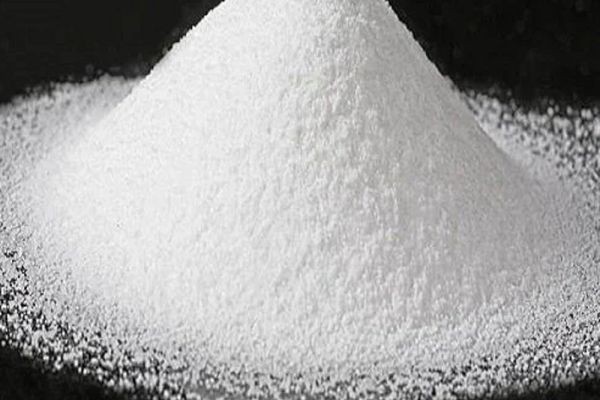
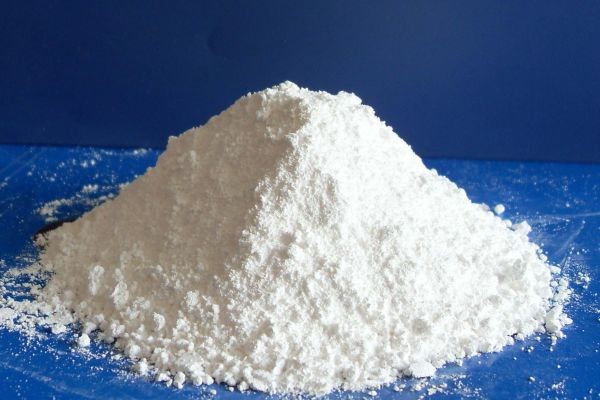
The zinc oxide industry plays a critical role across a wide range of sectors, including rubber manufacturing, pharmaceuticals, personal care, ceramics, coatings, and electronics. Despite its broad applicability and stable baseline demand, the market faces several restraints that limit its growth potential and influence long-term development. The zinc oxide market restraints arise from economic pressures, regulatory challenges, operational limitations, and competitive dynamics. Understanding these restraints is essential for stakeholders seeking to navigate the market effectively and plan sustainable strategies.
Volatility in Raw Material Prices
One of the most significant restraints affecting the zinc oxide market is the fluctuation in zinc metal prices. Zinc oxide production depends directly on zinc availability, and price volatility can disrupt cost structures and pricing strategies. Sudden increases in zinc prices compress margins, particularly in commodity-grade segments where price pass-through is limited. This volatility creates uncertainty for manufacturers and discourages long-term supply contracts, restraining market stability and investment planning.
High Energy Consumption and Cost Sensitivity
Zinc oxide manufacturing is energy-intensive, making energy costs a major restraint. Rising electricity and fuel prices increase production expenses, particularly in regions with limited access to affordable energy. Smaller manufacturers often struggle to invest in energy-efficient technologies, reducing their competitiveness. High energy dependence also exposes the industry to external shocks related to energy market fluctuations, limiting predictable growth.
Stringent Environmental and Safety Regulations
Environmental and occupational safety regulations impose significant restraints on the zinc oxide market. Compliance with emission standards, dust control, waste management, and worker safety requirements requires continuous investment in infrastructure, monitoring systems, and training. In regions with tightening regulations, older facilities may face operational limitations or forced shutdowns until upgrades are completed. These regulatory pressures increase operational costs and slow capacity expansion.
Limited Pricing Power in Commodity Segments
In traditional applications such as rubber and ceramics, zinc oxide is often treated as a commodity product. Intense competition among suppliers limits pricing power and restrains revenue growth. Manufacturers are frequently forced to compete on cost rather than value, which reduces margins and restricts the ability to invest in innovation, quality improvement, and sustainability initiatives.
Competition from Substitute Materials
The availability of alternative materials presents another restraint on market growth. In certain applications, substitutes such as alternative activators, fillers, or additives can partially replace zinc oxide. Advances in material science continue to introduce competing solutions that offer comparable performance with lower cost or reduced regulatory burden. This substitution risk limits demand expansion and places pressure on zinc oxide consumption in specific segments.
Market Maturity in Developed Regions
In developed economies, zinc oxide demand in traditional applications has reached maturity. Limited growth in automotive manufacturing, construction, and industrial output restrains volume expansion. Market saturation intensifies competition and places downward pressure on prices. To achieve growth in these regions, manufacturers must focus on specialty products and emerging applications, which require higher investment and technical expertise.
Barriers to Adoption in Advanced Applications
While zinc oxide has potential in electronics, energy systems, and advanced coatings, adoption in these areas is restrained by technical and regulatory challenges. Lengthy qualification processes, performance validation requirements, and safety considerations slow commercialization. Uncertainty around market acceptance and return on investment discourages rapid expansion into these emerging segments.
Supply Chain Constraints
Supply chain limitations act as a restraint on consistent market growth. Dependence on global zinc mining and refining exposes the market to geopolitical risks, transportation disruptions, and logistical challenges. Supply interruptions can lead to production delays and reduced customer confidence. To mitigate these risks, companies often maintain higher inventory levels, increasing working capital requirements.
Capital-Intensive Production Requirements
Establishing or expanding zinc oxide production capacity requires substantial capital investment. Costs associated with equipment, energy infrastructure, environmental controls, and quality systems create high entry barriers. These capital-intensive requirements restrain new entrants and limit rapid capacity expansion, especially during periods of economic uncertainty.
Workforce and Skill Limitations
Advanced zinc oxide production, particularly for specialty grades, requires skilled labor and technical expertise. Shortages of qualified personnel can restrain production efficiency and innovation adoption. Training and retention efforts increase operational costs and add to overall market restraint.
Sustainability Transition Costs
The industry’s transition toward more sustainable production practices presents short-term restraints. Investments in cleaner technologies, emission reduction, and energy efficiency often require significant upfront costs. While these measures support long-term viability, they can strain financial resources in the short term and slow expansion plans.
Conclusion
The zinc oxide market faces a range of restraints that influence its growth trajectory and operational dynamics. Raw material volatility, energy costs, regulatory pressure, competition, and market maturity collectively limit rapid expansion. However, these restraints also highlight areas where strategic focus—such as innovation, efficiency improvement, and value-added product development—can create resilience. Companies that effectively manage these restraints through proactive planning and targeted investment will be better positioned to sustain growth and competitiveness in the evolving global zinc oxide market.






