
Augmented Reality Glasses Market Scope
Introduction
The augmented reality (AR) glasses market has emerged as one of the most dynamic sectors within wearable technology. By overlaying digital information onto the physical world, AR glasses provide immersive experiences, hands-free interactions, and real-time data visualization. Their potential spans enterprise, industrial, healthcare, education, and consumer applications. Understanding the scope of this market is essential for businesses, developers, and investors seeking to capitalize on the transformative opportunities offered by AR glasses. This article explores the market’s technological foundation, applications, geographic reach, challenges, and future growth potential.
Technological Scope
Hardware Components
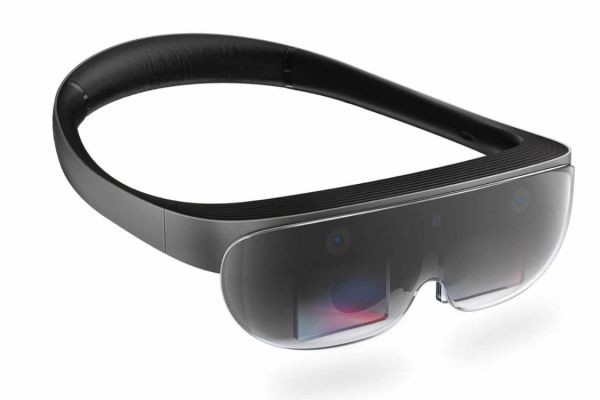
AR glasses integrate advanced hardware components, including high-resolution displays, cameras, motion sensors, depth sensors, and processors. Modern devices strive to balance performance with wearability. Lightweight materials, ergonomic design, and compact form factors are critical to ensure comfort during extended use. The continued evolution of micro-displays, waveguide optics, and energy-efficient components expands the functional scope of AR glasses, allowing them to perform complex tasks while remaining user-friendly.
Software and Connectivity
The software ecosystem is central to AR glasses’ utility. Applications range from productivity tools to immersive entertainment experiences. Connectivity features such as Wi-Fi, Bluetooth, and 5G enable real-time data transmission, remote collaboration, and cloud computing. Integration with AI and machine learning allows AR glasses to recognize objects, provide contextual information, and anticipate user needs. The scope of innovation within software and connectivity continues to broaden, offering endless possibilities for developers and end-users.
Battery Life and Processing
Efficient power management and high-performance processors are essential for practical AR glasses. Devices must support real-time processing of visuals, spatial mapping, and interactive content without compromising battery life. Advances in edge computing, low-power chips, and optimized algorithms extend operational time, making AR glasses more reliable for enterprise and consumer use.
Application Scope
Enterprise and Industrial Use
AR glasses are revolutionizing enterprise operations across multiple sectors:
-
Manufacturing: AR glasses guide workers through assembly tasks, overlay schematics, and reduce errors.
-
Logistics: Real-time navigation and inventory management increase efficiency in warehouses.
-
Healthcare: Surgeons and medical staff use AR glasses for real-time imaging, remote guidance, and procedural assistance.
-
Field Services: Technicians access manuals, diagnostic tools, and remote expert assistance without hands-on reference materials.
The scope of enterprise adoption is expanding as organizations recognize the benefits of productivity, efficiency, and reduced operational costs.
Education and Training
AR glasses provide immersive learning experiences that enhance knowledge retention. Students can interact with virtual models, visualize complex concepts, and engage in hands-on simulations. Workforce training programs benefit from interactive overlays, allowing trainees to practice procedures safely before applying them in real-world environments. The educational scope includes both academic and professional development contexts.
Consumer and Lifestyle Applications
In the consumer segment, AR glasses enhance entertainment, fitness, social interaction, and daily convenience. Users can engage in gaming, virtual try-ons, navigation, and real-time notifications without relying on smartphones. Integration with smart devices and home automation further broadens the scope, positioning AR glasses as multifunctional lifestyle tools.
Geographic Scope
North America
North America is a leading market due to early adoption, advanced technology infrastructure, and strong enterprise interest. Businesses and consumers in this region drive demand for innovative AR applications, supporting both hardware and software development.
Europe
European countries are investing in AR for industrial automation, healthcare, and training. Regulatory frameworks and privacy considerations influence adoption, while innovation hubs foster research and product development.
Asia-Pacific
The Asia-Pacific region is a rapidly growing market, driven by emerging economies, strong manufacturing sectors, and consumer interest in wearable technologies. Countries like China, Japan, and South Korea are adopting AR glasses across enterprise, education, and gaming sectors.
Rest of the World
Adoption in Latin America, the Middle East, and Africa is slower but growing. Infrastructure improvements, education, and awareness campaigns are expanding market scope in these regions.
Market Challenges
High Costs
Advanced components and software development make AR glasses expensive. Cost remains a significant barrier for both consumers and small enterprises, limiting widespread adoption.
Privacy and Security
AR glasses capture sensitive data through cameras, sensors, and audio inputs. Privacy concerns and potential misuse of data can inhibit adoption, particularly in public or workplace environments.
Technical Limitations
Battery life, processing power, display clarity, and device comfort are ongoing challenges. Addressing these limitations is critical to expand AR glasses’ practical applications.
Platform Fragmentation
Proprietary systems and lack of interoperability reduce software availability and hinder a cohesive ecosystem. Standardization is necessary to ensure broad developer engagement and adoption.
Growth Opportunities
Technological Advancements
Improvements in optics, AI, 5G connectivity, and battery efficiency will expand AR glasses’ capabilities. Emerging technologies, such as gesture control, voice recognition, and eye-tracking, will further broaden market scope.
Enterprise Expansion
Enterprises are increasingly adopting AR glasses for training, remote collaboration, and productivity. Demonstrated ROI and operational efficiency will encourage wider implementation across industries.
Consumer Engagement
As awareness and content availability increase, consumers are likely to adopt AR glasses for lifestyle, entertainment, and practical applications. Fashionable designs and seamless integration with everyday devices will accelerate adoption.
Strategic Partnerships
Collaborations between hardware manufacturers, software developers, telecom providers, and content creators will expand ecosystems and drive innovation. Partnerships enhance interoperability, increase application availability, and improve user experiences.
Future Outlook
The AR glasses market is poised for significant growth as technological innovation, enterprise adoption, and consumer engagement converge. Companies that address challenges such as cost, privacy, and usability will gain competitive advantages. The market’s scope will continue to expand as AR glasses integrate more seamlessly into daily life, transforming how people work, learn, communicate, and entertain themselves.
AR glasses are transitioning from niche tools to mainstream technology with broad application potential. Continued investment in research, hardware optimization, software ecosystems, and strategic partnerships will be critical in shaping the market’s future.
Conclusion
The augmented reality glasses market has a vast and expanding scope. Technological advancements, diverse applications across enterprise, education, and consumer segments, and global adoption trends highlight its potential. While challenges such as cost, privacy, and technical limitations persist, strategic innovation and ecosystem development can drive sustainable growth. As AR glasses continue to evolve, they will redefine human interaction with digital and physical environments, creating a new era of immersive experiences and productivity solutions.






