
Automotive DC-DC Converters Market Drivers
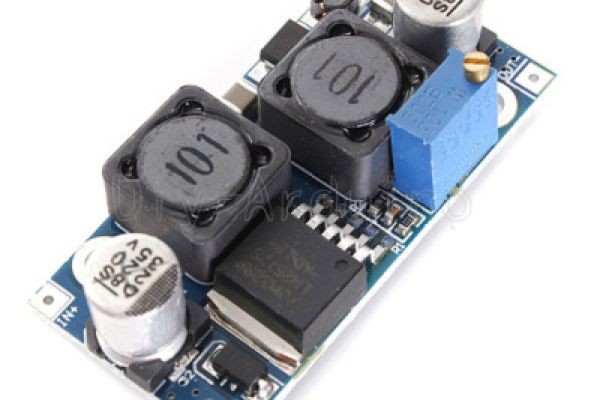
The automotive industry is undergoing a transformative shift as electric mobility, digitalization, and vehicle efficiency take center stage. Among the most critical components enabling this transformation are automotive DC-DC converters. These devices manage the distribution of electrical power across a vehicle’s systems, converting high-voltage battery energy to lower voltage levels needed for electronics, lighting, infotainment, and auxiliary functions. Understanding the key drivers behind the DC-DC converters market is essential to grasp the factors fueling growth and shaping future innovations in automotive power electronics.
Electrification of Vehicles
The primary driver of the automotive DC-DC converters market is the global push toward vehicle electrification. Electric vehicles (EVs) and hybrid electric vehicles (HEVs) are increasingly replacing traditional internal combustion engine (ICE) vehicles due to environmental concerns, government regulations, and consumer demand for sustainable mobility.
In electric vehicles, battery packs typically operate at high voltages—ranging from 400V to 800V or more—to deliver sufficient energy for propulsion. However, low-voltage systems within the vehicle, such as lights, sensors, control modules, and infotainment systems, require 12V or 48V. DC-DC converters bridge this voltage gap, enabling efficient energy transfer while protecting sensitive electronics.
As EV adoption accelerates, the number of DC-DC converters needed per vehicle is increasing. Hybrid vehicles, which combine combustion engines with electric motors, also rely on converters to manage energy flow between multiple sources. This growing reliance on electrical energy systems is a major market driver.
Growth of Advanced Vehicle Electronics
Modern vehicles are becoming increasingly electronics-intensive. Features such as advanced driver assistance systems (ADAS), autonomous driving capabilities, infotainment systems, and connected car technologies require stable, regulated power. DC-DC converters ensure these systems receive consistent voltage levels, which is crucial for safety, reliability, and overall performance.
The rising integration of sensors, cameras, radar, and lidar systems in vehicles further increases the demand for converters. Every additional electronic component necessitates precise voltage regulation, making DC-DC converters essential in meeting modern automotive power requirements.
Adoption of High-Voltage Architectures
High-voltage vehicle architectures are becoming standard in modern electric vehicles. High-voltage systems allow for faster charging, higher efficiency, and longer driving ranges. However, low-voltage vehicle subsystems still need reliable power. DC-DC converters are essential in these high-voltage architectures to step down energy safely and efficiently for auxiliary systems.
As automakers adopt higher-voltage platforms—such as 800V battery systems—there is a growing need for converters that can handle increased voltage while maintaining safety and efficiency. This trend is driving investment in advanced converter designs capable of supporting higher power outputs without increasing size or weight.
Efficiency and Energy Management
Energy efficiency is a critical concern in electric vehicles because it directly affects driving range and overall performance. DC-DC converters contribute to energy optimization by minimizing power losses during voltage conversion. High-efficiency converters reduce heat generation, improve battery utilization, and extend vehicle range.
Future trends in the automotive market emphasize energy management strategies where DC-DC converters play a key role. By enabling precise distribution of power and reducing wasted energy, converters help manufacturers meet customer expectations for longer-range electric vehicles and lower energy consumption.
Regulatory Pressures and Environmental Policies
Government regulations and environmental standards are another significant driver of the DC-DC converters market. Policies aimed at reducing carbon emissions, improving fuel economy, and promoting electric mobility encourage automakers to adopt electrified powertrains.
Countries across Europe, North America, and Asia are implementing stringent emission standards and providing incentives for electric vehicle adoption. These regulations increase demand for power management solutions, including DC-DC converters, which are essential to achieving regulatory compliance while maintaining vehicle performance.
Advancements in Semiconductor Technologies
Technological advancements in semiconductor materials are enabling next-generation DC-DC converters. Wide-bandgap semiconductors such as silicon carbide (SiC) and gallium nitride (GaN) offer higher efficiency, better thermal performance, and faster switching speeds compared with traditional silicon.
These materials allow manufacturers to develop smaller, lighter, and more efficient converters capable of handling higher power levels. The adoption of SiC and GaN is particularly critical in high-voltage electric vehicles, where efficiency and compact design directly impact battery performance and vehicle design flexibility.
Expansion of Mild Hybrid and 48-Volt Systems
Mild hybrid vehicles (MHEVs) and 48-volt electrical systems are growing in popularity as cost-effective solutions to improve fuel efficiency and reduce emissions. These systems require DC-DC converters to manage energy flow between the higher-voltage battery and the traditional 12-volt network.
48-volt systems allow for advanced features such as electric turbochargers, start-stop engines, active suspension, and improved regenerative braking. DC-DC converters enable seamless operation of these technologies, supporting the growing adoption of mild hybrid vehicles.
Commercial Vehicle Electrification
The electrification of commercial vehicles is a key driver for the DC-DC converters market. Electric buses, delivery trucks, and logistics vehicles require robust, high-power converters capable of continuous operation under heavy load conditions.
Commercial vehicles often operate in demanding environments and have higher energy requirements than passenger vehicles. The need for reliable, high-performance DC-DC converters in these applications is driving innovation in power density, thermal management, and durability, creating a significant growth segment within the market.
Integration with Vehicle Energy Management Systems
Modern vehicles increasingly integrate DC-DC converters into comprehensive energy management systems. Smart converters can communicate with battery management systems, motor controllers, and vehicle control units to optimize energy distribution.
This integration enables bidirectional energy flow, supports regenerative braking, and allows predictive power allocation based on driving conditions and load demands. Vehicles with intelligent power distribution improve efficiency, reduce battery stress, and enhance performance, making integrated converters a critical market driver.
Compact and Lightweight Designs
Automotive designers are under constant pressure to optimize space and reduce vehicle weight. DC-DC converters are evolving to meet these requirements, with compact and lightweight designs that maintain high efficiency.
Advanced packaging techniques, thermal management solutions, and wide-bandgap semiconductors allow for smaller, lighter converters. These innovations enable automakers to integrate more electronics without compromising vehicle space, improving both efficiency and functionality.
Thermal Management and Reliability
Thermal performance and reliability are critical in automotive applications. High-power conversion generates heat, which can reduce efficiency and damage components if not properly managed.
Recent developments focus on improved thermal management through optimized layouts, heat sinks, and advanced cooling methods. Reliable converters enhance vehicle performance, reduce maintenance costs, and ensure long-term operation, particularly in high-demand applications such as electric and commercial vehicles.
Future Outlook
The automotive DC-DC converters market is set to grow significantly as vehicle electrification accelerates, high-voltage architectures become standard, and vehicle electronics continue to expand. Key drivers—including regulatory pressures, technological innovations, energy efficiency demands, and commercial vehicle electrification—will continue to shape market dynamics.
Automakers and semiconductor manufacturers are investing heavily in high-efficiency, compact, and intelligent DC-DC converters to meet future requirements. As vehicles evolve toward smarter, more energy-efficient platforms, these converters will remain central to ensuring reliable power management, optimal energy distribution, and sustainable performance.
In conclusion, the growth of the automotive DC-DC converters market is driven by a combination of electrification, advanced vehicle electronics, high-voltage architectures, regulatory mandates, and innovations in semiconductor technology. With increasing focus on energy efficiency, sustainability, and integration with intelligent energy systems, DC-DC converters will continue to play a pivotal role in shaping the next generation of vehicles, both passenger and commercial.
The interplay of these drivers—ranging from technological to regulatory—underscores the importance of DC-DC converters in the rapidly evolving automotive landscape. As vehicles become more electrified, connected, and efficient, the demand for advanced power conversion solutions is set to rise, making DC-DC converters an indispensable component of future mobility.






