
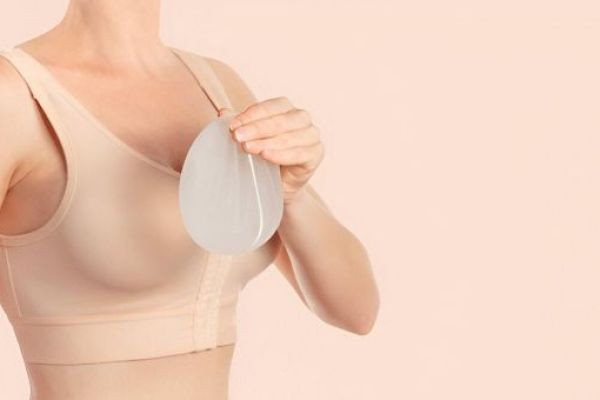
The questions swirling through your mind as you consider breast enhancement deserve thorough, honest answers—not marketing platitudes or dismissive reassurances. Truly informed consent requires addressing the concerns you're actually worried about, including the uncomfortable topics many practices prefer avoiding. This comprehensive question-and-answer guide tackles the real concerns women have about breast augmentation Dubai [https://tajmeels.ae/en/breast-surgery/breast-implants-in-dubai/] with the depth and honesty you deserve.
Will Anyone Be Able to Tell I've Had Surgery?
The detectability of breast implants depends on multiple factors: your starting anatomy, implant size selection, placement technique, and implant type. Women with very little natural breast tissue who choose large implants placed above the muscle often have visible implant edges or obvious augmentation. Conversely, women with moderate natural tissue who select appropriately sized implants placed partially or fully under muscle typically achieve results indistinguishable from natural breasts in clothing and quite natural even when undressed. Overly large implants for your frame, regardless of other factors, generally appear obviously augmented. Honest surgeons assess your specific anatomy and discuss realistic expectations for natural versus enhanced appearance based on your choices.
How Much Will This Actually Hurt?
Pain experiences vary dramatically between individuals, but most women describe significant discomfort rather than severe pain with modern techniques. Submuscular placement typically causes more discomfort than subglandular due to muscle manipulation. The first 48-72 hours generally bring the worst discomfort, described as intense tightness, burning, or muscle soreness. Prescription pain medication manages this phase adequately for most patients. By week two, many transition to over-the-counter medications. Surprisingly, some women report relatively minimal pain while others struggle despite identical procedures—your pain tolerance and anxiety levels significantly influence your experience. Surgeons using long-acting local anesthetics, nerve blocks, and muscle relaxants typically have patients reporting lower pain levels.
What If I Hate My Results?
This fear haunts many patients but requires nuanced discussion. If you "hate" your results due to complications like severe capsular contracture, implant malposition, or infection, corrective surgery typically resolves these issues. If dissatisfaction stems from size choice—you went too large or not large enough—revision surgery can exchange implants, though you'll endure additional recovery and expense. However, if disappointment relates to unrealistic expectations about how enhancement would make you feel or look, revision surgery won't solve the underlying problem. This is why thorough consultation exploring your motivations and ensuring realistic expectations is crucial. Reputable surgeons discuss revision policies, including who pays for what under various circumstances, before initial surgery.
Can Implants Cause Cancer or Serious Illness?
This question deserves careful, evidence-based discussion. First, extensive research shows no link between breast implants and traditional breast cancer—implants don't increase your risk. However, textured implants have been associated with a rare condition called Breast Implant-Associated Anaplastic Large Cell Lymphoma (BIA-ALCL), a lymphoma affecting tissue around the implant, not breast cancer itself. Risk remains very low (approximately 1 in 30,000 with textured implants), and smooth implants show essentially no association. Regarding "breast implant illness," where some women report systemic symptoms they attribute to implants, current medical evidence hasn't established a clear causal connection, though research continues. Reputable surgeons discuss both documented risks and areas of ongoing investigation honestly.
What Happens If I Get Pregnant Later?
Pregnancy and breastfeeding after augmentation deserve realistic discussion. Most women successfully breastfeed with implants, though periareolar incisions show higher rates of breastfeeding difficulties in some studies compared to other incision locations. Pregnancy hormones cause breast tissue changes that can alter your augmented appearance—volume increases during pregnancy, then decreases post-breastfeeding, sometimes leaving implants sitting differently than before pregnancy. Some women feel satisfied with post-pregnancy results while others desire revision surgery. Understanding that pregnancy may change your augmented appearance helps you make informed decisions about timing, though waiting until "after all children" isn't necessary for most women.
How Long Do Implants Really Last?
The "implants last 10 years" conventional wisdom is misleading. Modern implants don't have expiration dates requiring replacement at specific intervals. Instead, studies show gradual rupture risk increasing over time—perhaps 1% annually. Many women enjoy their original implants for 15-20+ years without problems. You need replacement only if rupture occurs, capsular contracture develops, you desire size change, or other specific complications arise. However, understanding that implants likely won't last your entire lifetime helps you plan for probable future surgery at some point, even if that's decades away.
What About Airport Security and Medical Imaging?
Breast implants don't trigger airport metal detectors or body scanners—they're not metal and security equipment easily distinguishes them from threats. You don't need special documentation or notification. Regarding medical imaging, implants can obscure some breast tissue on mammograms, requiring specialized views and experienced radiologists. Always inform mammography technicians about your implants so they use appropriate techniques. MRI and ultrasound imaging work well with implants and may be recommended for implant integrity monitoring, particularly for older silicone implants.
Will My Nipples Lose Sensation?
Changes in nipple sensation are possible with any breast surgery, though permanent complete loss is relatively uncommon. Studies show approximately 15-20% of patients experience some degree of altered sensation—increased sensitivity, decreased sensitivity, or altered sensation quality. Periareolar incisions show higher rates of sensation changes compared to inframammary approaches in research studies. Most sensation changes improve within the first year as nerves regenerate, though some changes may be permanent. This risk deserves consideration if nipple sensation is particularly important to you, and honest surgeons discuss it during consultation rather than minimizing the possibility.
Can I Finance This If I Can't Pay Upfront?
Many quality practices offer financing options through specialized medical lenders providing payment plans with varying interest rates and approval requirements. These plans can make breast augmentation accessible without full upfront payment, though you'll pay interest charges over time. Compare financing terms carefully—APR rates, approval requirements, prepayment penalties, and total cost including interest. Some practices offer in-house payment plans with potentially better terms than external financing. Understand completely what you're committing to financially before proceeding, and ensure monthly payments fit comfortably in your budget.
What If I Need Revision Years Later?
Revision surgery needs may arise from complications, desired size changes, or normal aging of implants. Understanding potential costs and planning accordingly is important. Some surgeons include certain revision coverage in original pricing, while others charge separately for all revision procedures. Implant warranties from manufacturers often cover replacement implants (but not surgical costs) under specific circumstances. Discussing long-term revision policies and costs during initial consultation helps you understand the complete financial picture of choosing breast augmentation.
How Do I Choose Between Multiple Surgeons I Liked?
When you've consulted with several qualified surgeons, decision-making can feel overwhelming. Consider factors beyond credentials: which surgeon's aesthetic style best matches your goals based on before-after photos? Which communication style made you feel most comfortable and understood? What do revision policies and long-term care offerings look like? Which facility's standards and location work best for you? Sometimes the decision ultimately comes down to trusting your instincts about which surgeon felt like the right fit. There's no perfect formula, and any of your qualified finalists could likely provide excellent care.
Moving Forward with Confidence
Having your real questions answered thoroughly—including the uncomfortable ones—provides the foundation for confident decision-making. At Tajmeels Clinic, we welcome all your questions about breast augmentation Dubai, no matter how basic or complex, because truly informed consent requires addressing your actual concerns rather than just the questions we wish you'd ask. Your peace of mind matters as much as surgical outcomes, and both begin with honest, comprehensive answers to every question weighing on your mind.






