
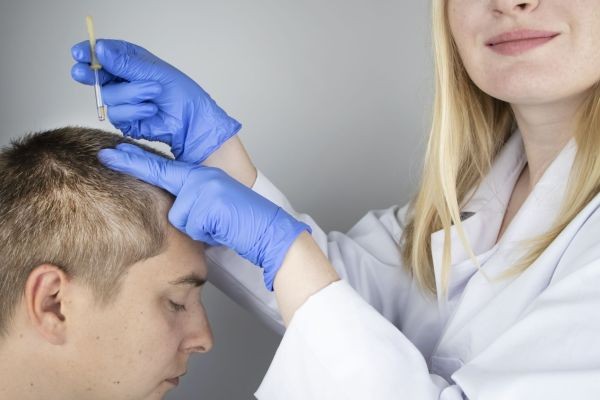
Hair regrowth in alopecia cases is influenced by a complex interaction of biological, environmental, and lifestyle-related factors that determine how effectively hair follicles recover and resume normal growth cycles. Alopecia areata, in particular, is an autoimmune condition where the immune system mistakenly targets hair follicles, leading to patchy or widespread hair loss. While the condition can be unpredictable, many individuals experience varying degrees of regrowth depending on internal and external influences. Understanding these factors is essential for improving outcomes and setting realistic expectations. One of the most significant considerations for patients exploring Alopecia Areata Treatment in Dubai [https://www.royalclinicdubai.com/en-ae/hair-transplant/alopecia-areata-treatment/] is recognizing that successful regrowth is not determined by a single intervention but rather by a combination of consistent care, immune stability, and overall health optimization.
Understanding Alopecia Areata and Regrowth Potential
Alopecia areata affects the hair follicle at the anagen (growth) phase, disrupting its ability to produce visible hair shafts. Despite this disruption, follicles are usually not permanently destroyed, which is why regrowth is possible in many cases. The extent and speed of recovery vary widely among individuals, depending on how aggressively the immune system is attacking the follicles and how quickly the inflammatory response can be controlled. Some patients experience spontaneous regrowth, while others require sustained therapeutic support. The unpredictable nature of the condition makes early intervention and continuous monitoring important for improving long-term outcomes.
Biological Factors Affecting Hair Regrowth
One of the primary determinants of hair regrowth success is the biological condition of the follicles themselves. Genetic predisposition plays a significant role in how the immune system behaves and how follicles respond to inflammation. Individuals with a family history of autoimmune disorders may experience more persistent or recurrent episodes. Additionally, the duration of hair loss before intervention is critical; shorter durations generally yield better regrowth outcomes because follicles remain more responsive. The health of dermal papilla cells and stem cell activity within the follicle also influences the regeneration process, making biological resilience a key factor in recovery.
Immune Activity and Inflammation
Since alopecia areata is fundamentally an autoimmune disorder, immune system behavior directly impacts hair regrowth. When inflammatory activity is high, follicles remain in a suppressed state, preventing normal growth cycles from resuming. Conversely, when immune activity is stabilized or modulated, follicles can re-enter the anagen phase. Chronic inflammation can prolong shedding cycles and delay visible improvement. The balance between pro-inflammatory and anti-inflammatory responses is therefore essential in determining how quickly and effectively regrowth occurs. Managing immune triggers is a central aspect of long-term hair restoration strategies.
Treatment Consistency and Response Variability
Consistency in treatment application is another major factor influencing outcomes. Hair follicles respond gradually, and interruptions in care can delay progress or lead to regression. However, response variability is common, as not all follicles react uniformly to the same interventions. Some areas may show early regrowth, while others remain dormant for longer periods. This uneven response is influenced by follicular sensitivity, local immune activity, and blood circulation to the scalp. Patience and adherence to a structured regimen are essential for maximizing results over time.
Nutrition and Lifestyle Influence
Diet and lifestyle choices play a supportive yet significant role in hair regrowth. Nutrients such as protein, iron, zinc, and essential fatty acids contribute to follicular strength and cellular repair. Deficiencies in these nutrients can slow down regrowth or weaken new hair strands. Hydration and balanced meals help maintain optimal scalp conditions, while unhealthy dietary habits may exacerbate inflammation. Regular physical activity supports circulation, ensuring that hair follicles receive adequate oxygen and nutrients. Lifestyle consistency often reflects directly in the quality and speed of regrowth.
Stress and Hormonal Balance
Psychological stress is closely linked to autoimmune flare-ups, making it a critical factor in alopecia progression. Elevated stress levels can trigger hormonal imbalances that intensify immune responses, leading to increased hair shedding. Cortisol, the primary stress hormone, can disrupt the natural hair growth cycle when consistently elevated. Managing stress through relaxation techniques, sleep regulation, and emotional well-being practices helps stabilize the body’s internal environment. Hormonal equilibrium supports more predictable and sustained hair regrowth patterns.
Scalp Health and Follicle Environment
The condition of the scalp plays an essential role in determining follicular recovery. A clean, well-oxygenated scalp environment supports better absorption of nutrients and improves follicular activity. Excess oil buildup, inflammation, or poor circulation can hinder regrowth progress. Maintaining scalp hygiene and ensuring proper microcirculation allows follicles to transition more effectively into the growth phase. Additionally, avoiding harsh chemical exposure helps preserve follicular integrity and reduces the risk of further irritation.
Realistic Expectations and Recovery Timeline
Hair regrowth in alopecia cases does not follow a fixed timeline, as each individual responds differently based on immune behavior, follicle health, and external influences. Some may notice improvement within a few months, while others require longer periods of stabilization before visible changes occur. Understanding that regrowth often happens in cycles helps manage expectations and reduces frustration during treatment. Long-term success depends on sustained care, monitoring, and adjustment of strategies based on response patterns.
Ultimately, achieving meaningful and lasting hair recovery in alopecia cases requires a comprehensive understanding of both internal and external influencing factors. From immune regulation to nutritional support and psychological balance, every element contributes to the final outcome. Individuals pursuing Alopecia Areata Treatment [https://social.japrime.id/read-blog/476953] benefit most when these factors are addressed collectively, ensuring that treatment strategies align with the body’s natural regenerative capacity and long-term follicular health.






