
This article was originally published on pearltrees.com and has been republished here with permission.
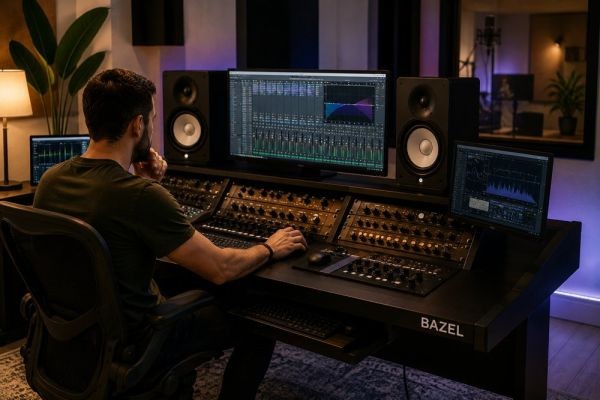
A good listening room should help engineers hear small details without fighting clutter, poor posture, or awkward gear placement. A carefully planned mixing studio desk gives screens, monitors, controllers, interfaces, and rack units a clear position around the central listening point. This creates easier access while keeping visual distractions under control. It also supports a balanced seated position, which matters during long editing, balancing, and review sessions. When each device sits where it is needed, users can move through decisions with less interruption and greater confidence. Thoughtful furniture cannot replace acoustic treatment, but it can support a stable environment for careful judgment. In this article, we will discuss how purposeful studio furniture supports comfort, organization, focus, and reliable sound choices.
A Stable Listening Position Improves Judgment
Accurate decisions begin with a consistent place to sit and listen. If the chair, screens, or monitors move regularly, the perceived balance of a track may change from one session to another. A suitable layout keeps the user centered between both speakers while placing controls within easy reach. This reduces the need to lean, twist, or move away from the ideal listening point. A stable position helps engineers compare levels, stereo width, tone, and depth with greater care. It also makes repeated playback checks feel more dependable throughout the production process.
Clear Organization Protects Creative Focus
Scattered equipment can interrupt concentration at important moments. When interfaces, controllers, keyboards, and smaller accessories have fixed locations, the user spends less time searching or rearranging items. A well-planned audio mixing workstation layout creates a natural path between recording, editing, and playback tasks. Cables can remain separated from frequently used controls, while rack-mounted devices stay visible and accessible. This cleaner arrangement supports faster adjustments and reduces visual noise. As a result, more attention remains available for the music, which can lead to calmer and more confident choices.
Practical Features Support Daily Sessions
Useful furniture should solve real working problems rather than simply filling the room.
Important features may include:
- Integrated rack sections for processors, interfaces, and other mounted equipment
- Raised shelves that support balanced monitor and screen placement
- Sliding trays for keyboards, controllers, or additional input devices
- Open cable channels that simplify wiring and equipment changes
- Strong surfaces that remain steady under valuable audio gear
- Enough legroom for natural movement during extended sessions
These details help keep the main surface clear while ensuring essential tools remain available. They can also make future upgrades easier because additional equipment may be fitted without rebuilding the entire room.






