
How a Mixing Studio Desk Supports Better Sound Decisions

Bazel Studio Desk avatar   
Bazel Studio Desk
Mixing studio desk

This article was originally published on pearltrees.com and has been republished here with permission.

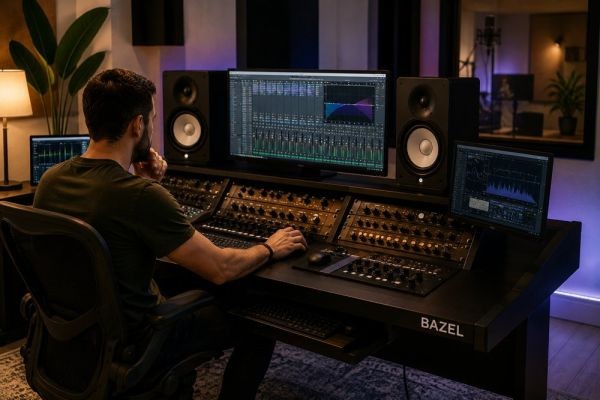
A good listening room should help engineers hear small details without fighting clutter, poor posture, or awkward gear placement. A carefully planned mixing studio desk gives screens, monitors, controllers, interfaces, and rack units a clear position around the central listening point. This creates easier access while keeping visual distractions under control. It also supports a balanced seated position, which matters during long editing, balancing, and review sessions. When each device sits where it is needed, users can move through decisions with less interruption and greater confidence. Thoughtful furniture cannot replace acoustic treatment, but it can support a stable environment for careful judgment. In this article, we will discuss how purposeful studio furniture supports comfort, organization, focus, and reliable sound choices.

A Stable Listening Position Improves Judgment

Accurate decisions begin with a consistent place to sit and listen. If the chair, screens, or monitors move regularly, the perceived balance of a track may change from one session to another. A suitable layout keeps the user centered between both speakers while placing controls within easy reach. This reduces the need to lean, twist, or move away from the ideal listening point. A stable position helps engineers compare levels, stereo width, tone, and depth with greater care. It also makes repeated playback checks feel more dependable throughout the production process.

Clear Organization Protects Creative Focus

Scattered equipment can interrupt concentration at important moments. When interfaces, controllers, keyboards, and smaller accessories have fixed locations, the user spends less time searching or rearranging items. A well-planned audio mixing workstation layout creates a natural path between recording, editing, and playback tasks. Cables can remain separated from frequently used controls, while rack-mounted devices stay visible and accessible. This cleaner arrangement supports faster adjustments and reduces visual noise. As a result, more attention remains available for the music, which can lead to calmer and more confident choices.

Practical Features Support Daily Sessions

Useful furniture should solve real working problems rather than simply filling the room.

Important features may include:

  • Integrated rack sections for processors, interfaces, and other mounted equipment
  • Raised shelves that support balanced monitor and screen placement
  • Sliding trays for keyboards, controllers, or additional input devices
  • Open cable channels that simplify wiring and equipment changes
  • Strong surfaces that remain steady under valuable audio gear
  • Enough legroom for natural movement during extended sessions

These details help keep the main surface clear while ensuring essential tools remain available. They can also make future upgrades easier because additional equipment may be fitted without rebuilding the entire room.


Comfort Supports More Careful Work

Sound decisions often require repeated listening, small adjustments, and long periods of concentration. Poor furniture height can create pressure in the neck, shoulders, wrists, and lower back. Over time, physical discomfort can reduce patience and make detailed work feel harder. A suitable mastering studio desk arrangement should support relaxed posture, comfortable screen height, and sensible reach distances. The chair should move freely without hitting shelves or rack sections. When the body remains supported, engineers can listen for longer periods without becoming distracted by strain, helping them remain consistent during final checks.

Choose According to Equipment and Room Size

A mixing desk workstation for music production setup should be selected based on real working needs. Begin by measuring the room, doorway, chair clearance, and speaker spacing. List every device that needs a permanent location, then separate essential tools from equipment used only occasionally. Consider surface depth, weight capacity, rack access, ventilation, and cable routing. A smaller room may benefit from vertical storage, while a larger control area may require wider placement for multiple screens or outboard units. The right choice should fit naturally, support present gear, and leave sensible room for later additions.

Conclusion

Purpose-built studio furniture can support better listening by creating a stable, comfortable, and organized environment. When screens, speakers, controls, and rack units are positioned carefully, users can work with fewer interruptions and make more dependable decisions.

Bazel Studio Desk creates handcrafted workspaces for producers, engineers, and musicians who value practical design and strong construction. The company develops its furniture around real creative routines, equipment access, and long-term use. Its considered approach helps transform crowded rooms into efficient spaces that support focused production and future growth.

Frequently Asked Questions:

Question: Can studio furniture improve sound quality directly?

Answer: Furniture does not replace acoustic treatment, but careful placement supports balanced speaker positioning, a steady listening point, and fewer physical obstructions that may affect everyday monitoring and judgment decisions.

Question: How much rack space should an engineer choose?

Answer: Choose enough rack capacity for current equipment plus limited expansion. Too little space restricts upgrades, while excessive sections may increase room size, cost, and reaching distance during regular work.

Question: Why does desk depth matter in a studio?

Answer: Suitable depth provides room for screens, controllers, and comfortable arm movement. It also helps maintain better viewing distance and prevents larger devices from crowding the main working surface area.

Inga kommentarer hittades




