
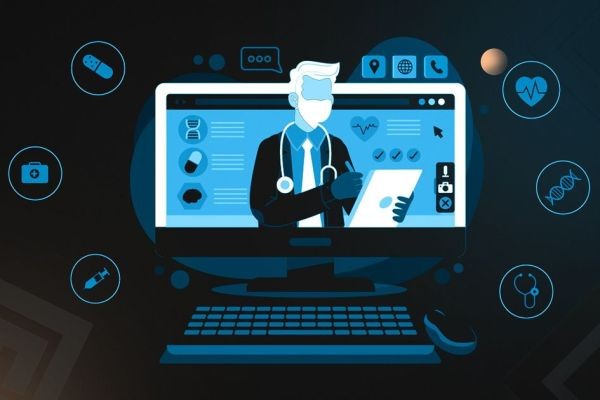
Modern healthcare is no longer managed with paper files, manual registers, and guesswork. Today’s successful clinics operate in a data-driven environment where informed decisions determine growth, profitability, and patient satisfaction. While clinical expertise remains central, business intelligence has become equally critical. Software-driven clinics have a distinct advantage because they rely on real-time data, analytics, and automation to guide their decisions.
From staffing strategies to revenue forecasting, software enables clinic owners to move beyond assumptions and make strategic, evidence-based choices. In an increasingly competitive healthcare landscape, smarter decision-making is not optional it is essential.
The Shift from Reactive to Proactive Management
Traditionally, clinics often made decisions reactively. For example, if patient wait times increased, management would respond after complaints surfaced. If revenue dropped, they would investigate once the issue became significant. This approach leaves little room for prevention.
Software-driven clinics, however, operate proactively. Digital dashboards provide insights into patient flow, appointment trends, billing patterns, and operational bottlenecks in real time. Instead of reacting to problems, clinic managers can identify warning signs early and adjust strategies before issues escalate.
This proactive approach reduces risks, improves efficiency, and strengthens financial stability.
Data-Backed Financial Planning
One of the most powerful benefits of clinic software is accurate financial tracking. Revenue, expenses, insurance claims, outstanding payments, and profit margins can all be monitored in a centralized system.
With access to clear financial reports, clinics can:
- Identify their most profitable services
- Monitor seasonal patient trends
- Forecast revenue growth
- Control operational expenses
- Optimize pricing strategies
Instead of relying on rough estimates, clinic owners can base investment decisions on reliable data. Whether expanding services, hiring new specialists, or upgrading equipment, decisions become grounded in measurable performance metrics.
Smarter Appointment and Resource Allocation
Scheduling inefficiencies directly impact revenue and patient satisfaction. Overbooking leads to long wait times, while underbooking wastes valuable time and resources.
Software-driven clinics analyze appointment data to understand peak hours, no-show rates, and consultation durations. This data allows clinics to optimize schedules by:
- Allocating appropriate time slots for different procedures
- Sending automated reminders to reduce no-shows
- Adjusting staff schedules based on patient demand
- Improving room utilization
When resources are used efficiently, clinics maximize productivity without compromising patient care.
Enhanced Patient Retention Strategies
Patient retention is more cost-effective than acquiring new patients. Software tools help clinics track patient behavior patterns, follow-up compliance, and feedback trends.
For example, analytics can reveal:
- Which patients have not returned for follow-ups
- How frequently patients visit
- Which services are most popular
- Common complaints or feedback trends
With this information, clinics can design targeted engagement strategies such as reminder campaigns, loyalty programs, or educational follow-ups. Smarter patient engagement improves retention rates and strengthens long-term revenue stability.
Performance Monitoring for Continuous Improvement
A software-driven clinic can evaluate performance at both organizational and individual levels. Key performance indicators (KPIs) such as average consultation time, daily patient volume, billing accuracy, and staff productivity become measurable.
Managers can use this data to:
- Identify workflow inefficiencies
- Provide targeted staff training
- Reward high-performing employees
- Adjust operational procedures
Continuous performance monitoring fosters accountability and ensures the clinic remains aligned with its goals.
Inventory and Supply Chain Optimization
Medical supplies and pharmaceuticals represent a significant operational expense. Poor inventory management can lead to stock shortages or over-purchasing, both of which impact profitability.
Clinic software tracks inventory levels in real time, providing alerts when supplies are low. It also analyzes usage trends to help clinics purchase stock strategically.
This data-driven approach reduces waste, prevents service disruptions, and improves cost management key elements of smarter business decisions.
Regulatory Compliance and Risk Management
Healthcare regulations require accurate documentation, secure data handling, and transparent billing practices. Non-compliance can result in financial penalties and reputational damage.
Software-driven clinics ensure standardized documentation, secure patient data storage, and proper record-keeping. Automated systems reduce human error and maintain audit-ready records.
When compliance processes are streamlined, clinic owners can focus more on strategic growth rather than administrative concerns.
Real-Time Reporting for Strategic Planning
Business growth requires long-term planning. Software systems provide detailed reports that support strategic decisions such as expansion, diversification, or partnerships.
For example, reports can show:
- Geographic distribution of patients
- Growth trends across specialties
- Revenue contribution by service line
- Patient acquisition sources
Armed with this data, clinic owners can identify new opportunities, adjust marketing strategies, and allocate budgets effectively. Instead of relying on intuition, decisions are supported by evidence.
Improved Patient Experience Through Technology
Smarter business decisions are not limited to financial outcomes they also enhance patient experience. Digital check-ins, online appointment booking, automated reminders, and electronic records reduce friction in the patient journey.
When operations are smooth, staff stress decreases, and patients receive timely attention. Improved patient satisfaction contributes to better online reviews, stronger word-of-mouth referrals, and enhanced brand reputation.
In this way, operational intelligence directly impacts both revenue and reputation.
Competitive Advantage in a Digital Healthcare Market
Healthcare is becoming increasingly technology-driven. Clinics that embrace digital tools gain a competitive edge over those relying on outdated systems.
Software-driven decision-making enables clinics to:
- Adapt quickly to market changes
- Respond effectively to demand fluctuations
- Monitor competitors indirectly through performance benchmarks
- Maintain financial transparency
Clinics that leverage technology are better positioned to scale sustainably and remain resilient in challenging economic conditions.
Conclusion:
The future of healthcare belongs to clinics that combine clinical excellence with operational intelligence. Software-driven clinics do not leave business decisions to guesswork they rely on data, analytics, and automation to guide strategy.
By implementing advanced digital solutions such as comprehensive Patient Management Software from Instacare.com.pk, clinics can access real-time insights, streamline workflows, optimize financial performance, and enhance patient engagement.
Ultimately, smarter decisions drive sustainable growth, improve patient satisfaction, and strengthen competitive positioning. In a rapidly evolving healthcare environment, software is no longer just a support tool it is a strategic partner in building a successful, future-ready clinic.






