
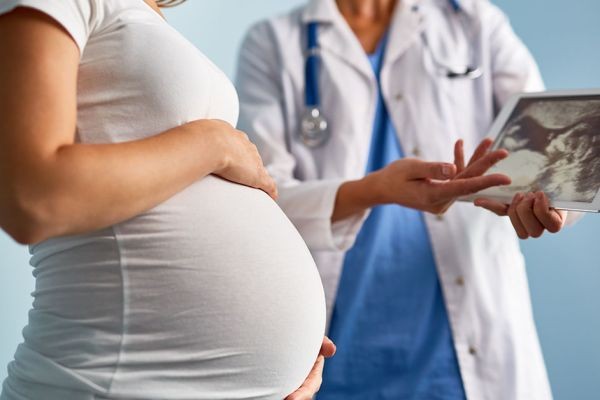
A high-risk pregnancy in dubai requires careful planning, regular medical care, and the right support system to ensure the best possible outcome.
With advanced healthcare facilities and experienced specialists, Dubai offers many options to manage such pregnancies safely and confidently.
This detailed guide explains what a high-risk pregnancy is, why it happens, and the practical steps you can take to manage it effectively while living in Dubai. The language is kept simple so that every expecting mother and family member can easily understand the process.
What Is a High-Risk Pregnancy?
A pregnancy is called high risk when the mother, the baby, or both have a higher chance of health problems before, during, or after delivery.
This does not mean that something will definitely go wrong. It only means that extra care, monitoring, and medical attention are needed throughout the pregnancy.
Many women with high-risk pregnancies go on to deliver healthy babies. The key is early diagnosis, regular check-ups, and following medical advice closely.
Common Reasons for High-Risk Pregnancy
There are many reasons why a pregnancy may be considered high risk. Some of the most common ones include:
1. Mother’s Age
-
Pregnancy below the age of 18
-
Pregnancy above the age of 35
Women in these age groups may face higher chances of complications and need closer monitoring.
2. Existing Medical Conditions
-
Diabetes
-
High blood pressure
-
Heart disease
-
Thyroid disorders
-
Autoimmune conditions
If a woman already has a medical condition, pregnancy can put extra stress on the body.
3. Pregnancy-Related Complications
-
Gestational diabetes
-
Preeclampsia (high blood pressure during pregnancy)
-
Placenta problems
-
Preterm labor
These conditions usually develop during pregnancy and require immediate medical attention.
4. Multiple Pregnancies
Carrying twins or triplets increases the risk of early labor, low birth weight, and other complications.
5. Previous Pregnancy Issues
-
History of miscarriage
-
Previous preterm birth
-
Complications during earlier deliveries
A past experience can sometimes increase the risk in future pregnancies.
Why Managing a High-Risk Pregnancy Is Important
Managing a high-risk pregnancy properly helps to:
-
Protect the health of the mother
-
Support healthy growth and development of the baby
-
Reduce the chances of emergency complications
-
Plan a safe delivery
With the right care, most risks can be controlled or reduced.
Step 1: Choose the Right Healthcare Provider in Dubai
The first and most important step is selecting a healthcare provider experienced in handling high-risk pregnancies. Dubai has modern hospitals, advanced technology, and skilled specialists who focus on maternal and fetal health.
Look for:
-
Hospitals with neonatal intensive care units (NICU)
-
Specialists trained in high-risk obstetrics
-
Access to emergency care 24/7
Regular visits to the same medical team help ensure continuity of care.
Step 2: Attend All Prenatal Appointments
Never skip prenatal check-ups, especially in a high-risk pregnancy. These visits help doctors:
-
Track the baby’s growth
-
Monitor the mother’s health
-
Detect complications early
Appointments may be more frequent than in a normal pregnancy. Blood tests, ultrasounds, and physical examinations are common and very important.
Step 3: Follow a Personalized Care Plan
Every high-risk pregnancy is different. Doctors usually create a care plan based on:
-
Medical history
-
Current health condition
-
Pregnancy stage
This plan may include:
-
Medication adjustments
-
Diet recommendations
-
Activity restrictions
-
Bed rest in some cases
Following this plan strictly can make a big difference.
Step 4: Maintain a Healthy Diet
Nutrition plays a very important role in managing a high-risk pregnancy.
Key dietary tips:
-
Eat fresh fruits and vegetables daily
-
Include lean proteins like eggs, fish, and legumes
-
Choose whole grains instead of refined foods
-
Drink enough water throughout the day
Women with conditions like gestational diabetes may need special meal plans. Always follow dietary advice given by your healthcare provider.
Step 5: Monitor Blood Sugar and Blood Pressure
If you have conditions such as diabetes or high blood pressure:
-
Check your blood sugar regularly
-
Monitor blood pressure at home if advised
Keep a record and share it during medical visits. Early detection of changes helps prevent serious complications.
Step 6: Take Prescribed Medications Correctly
Never stop or change medications without consulting your doctor. Some medicines help:
-
Control blood pressure
-
Manage diabetes
-
Prevent preterm labor
-
Support fetal development
Taking medications at the right time and dosage is essential for safety.
Step 7: Get Enough Rest and Manage Stress
High-risk pregnancies can be emotionally and physically tiring.
Helpful tips:
-
Get enough sleep every night
-
Take short breaks during the day
-
Practice relaxation techniques like deep breathing
-
Avoid unnecessary physical strain
Stress can affect both the mother and the baby, so emotional well-being is very important.
Step 8: Know the Warning Signs
Understanding warning signs can save lives. Contact your doctor immediately if you notice:
-
Severe headaches
-
Blurred vision
-
Sudden swelling of face or hands
-
Heavy bleeding
-
Reduced baby movements
-
Strong abdominal pain
Do not wait or ignore symptoms, even if they seem minor.
Step 9: Limit Physical Activity if Advised
While light movement is often encouraged, some high-risk pregnancies require limited activity.
Doctors may recommend:
-
Avoiding heavy lifting
-
Reducing standing time
-
Partial or complete bed rest
Always follow medical advice and avoid comparing your pregnancy with others.
Step 10: Regular Ultrasounds and Fetal Monitoring
In a high-risk pregnancy, doctors often perform extra ultrasounds and fetal monitoring tests to:
-
Check baby’s growth
-
Monitor heart rate
-
Assess placenta function
These tests help ensure the baby is developing safely.
Step 11: Plan for Delivery in Advance
Delivery planning is very important in high-risk pregnancies.
Doctors may discuss:
-
Best time for delivery
-
Natural birth vs. cesarean section
-
Hospital stay duration
-
Emergency procedures
Having a clear plan reduces stress and ensures readiness for any situation.
Step 12: Prepare for Emotional Support
A high-risk pregnancy can feel overwhelming. Emotional support is just as important as medical care.
Consider:
-
Talking openly with your partner and family
-
Joining pregnancy support groups
-
Seeking counseling if anxiety becomes too much
Mental well-being supports physical health.
Step 13: Post-Delivery Care Matters Too
Care does not stop after delivery. Some conditions, like high blood pressure or diabetes, may continue after childbirth.
Post-delivery care includes:
-
Follow-up medical visits
-
Monitoring recovery
-
Support for breastfeeding
-
Mental health checks
Proper postnatal care ensures long-term health for both mother and baby.
How Dubai’s Healthcare System Supports High-Risk Pregnancies
Dubai is known for its advanced medical infrastructure. Some benefits include:
-
Modern hospitals with advanced technology
-
Highly trained medical professionals
-
Multidisciplinary care teams
-
Emergency services available around the clock
These factors make managing complex pregnancies more reliable and safe.
Common Myths About High-Risk Pregnancy
Myth 1: High-risk pregnancy always ends badly
Fact: Many women with proper care deliver healthy babies.
Myth 2: Bed rest is always required
Fact: Bed rest depends on the condition and is not necessary for everyone.
Myth 3: Normal life must stop completely
Fact: With guidance, many women can continue safe daily activities.
Tips for Family Members
Family support plays a big role. Family members can help by:
-
Attending doctor visits when possible
-
Helping with household tasks
-
Providing emotional reassurance
-
Encouraging healthy habits
A supportive environment makes the journey easier.
Final Thoughts
Managing a high-risk pregnancy requires patience, awareness, and expert medical guidance. With early diagnosis, regular monitoring, and a healthy lifestyle, many risks can be effectively controlled. Dubai’s advanced healthcare facilities offer strong support for mothers facing complex pregnancies.
If you are navigating a high-risk pregnancy, consulting an experienced specialist is essential. In conclusion, expert care from professionals such as Dr. Neha Lalla can provide reassurance, personalized treatment, and confidence throughout your pregnancy journey, helping you move toward a safe delivery and a healthy baby.






