
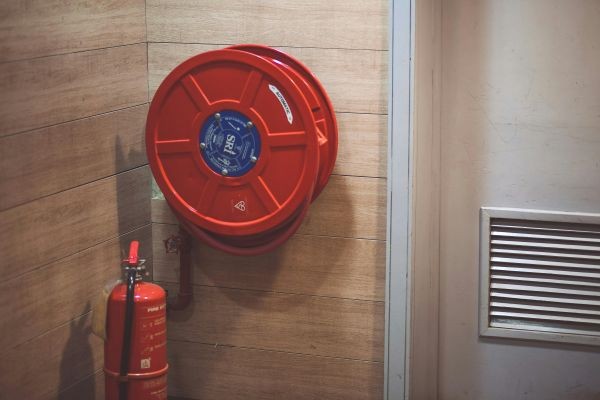
A fire alarm goes silent. The sprinkler system shuts down for repairs. Everything looks normal—but the risk has quietly increased.
So, why is fire watch so important in these situations? Simply put, when your fire protection systems fail, you lose your first line of defense. That’s when trained professionals must step in to monitor the building manually and respond quickly if something goes wrong.
In this guide, we’ll walk through what system failures really mean, the risks involved, legal expectations, and how a fire watch security company helps keep your property safe during these critical moments.
What Happens When Fire Protection Systems Fail?
When we talk about system failure, we’re referring to situations where fire alarms, sprinklers, or detection systems stop working properly. This could happen due to maintenance, technical faults, or even unexpected damage.
At first, it might not seem like a big deal. After all, the building is still standing, and nothing looks out of place. However, the real issue is what you can’t see—there’s no automatic system ready to alert you or control a fire if it starts.
Is It Really That Serious?
Yes, it is. Without working systems, even a small spark can go unnoticed for longer than it should.
In many cases, delays of just a few minutes can make a huge difference. Fire spreads quickly, and without early detection, the situation can escalate before anyone has time to react.
So, once your systems are down, you’re essentially relying on human awareness. And that’s exactly where fire watch comes in.
Why Fire Watch Becomes Essential in These Situations
You might be wondering, “Can’t we just wait until the system is fixed?” Well, here’s the thing—you really shouldn’t.
No Automatic Alerts Means Higher Risk
When alarms are offline, there’s no immediate warning if a fire starts.
That means people inside the building may not even realize there’s danger until it becomes obvious. And by then, it could already be too late to act quickly.
Fires Can Spread Faster Than Expected
Sprinkler systems help control fire in its early stages. Without them, fire can spread freely across rooms, floors, or even the entire building.
Moreover, materials used in commercial spaces—like wiring, furniture, or stored goods—can fuel the fire and make it harder to contain.
Someone Needs to Take Responsibility On-Site
During system failures, responsibility shifts from machines to people.
Fire watch guards actively patrol the property, check high-risk areas, and stay alert for warning signs like smoke or unusual heat. In a way, they become your temporary fire detection system.
Because of this, fire watch is not just helpful—it’s necessary. And in many cases, it’s also required by law.
Are Houston Commercial Buildings Legally Required to Have a Fire Watch?
Yes, in many situations, fire watch is not optional. Local fire codes require building owners to take immediate action when safety systems are not working.
What Local Fire Codes Expect
Fire safety regulations in Houston are designed to reduce risk during system failures.
If your alarm or sprinkler system goes offline, you may be required to provide continuous monitoring until it’s fixed. This ensures that someone is always watching for potential hazards.
When Authorities Step In
In some cases, the fire marshal may order you to implement a fire watch.
This usually happens after an inspection or when a serious issue is reported. Once that order is given, compliance is expected right away.
What Happens If You Don’t Comply?
Failing to follow these requirements can lead to:
- Fines or penalties
- Temporary closure of your building
- Increased liability if a fire occurs
So, while it may feel like an extra step, it’s actually a critical part of staying compliant. Now, let’s look at how fire watch helps reduce these risks in real terms.
How Fire Watch Security Reduces Risk During System Failures
Fire watch is not just about “having someone there.” It’s about active protection when your systems can’t do their job.
Continuous Patrols and Monitoring
Fire watch guards regularly move through the building instead of staying in one spot.
They check hallways, storage areas, electrical rooms, and other high-risk zones. This constant movement increases the chances of spotting a problem early.
Immediate Response to Warning Signs
If a guard notices smoke, sparks, or any unusual condition, they act immediately.
This quick response can stop a small issue from turning into a major incident. In many cases, early action makes all the difference.
Clear Reporting and Documentation
Fire watch guards keep detailed records of their patrols.
These logs show when and where checks were completed, which can help during inspections or investigations. It’s one of those things that seems minor—until you actually need proof of compliance.
All of this adds up to better control during uncertain situations. And beyond safety, it also affects your business operations.
The Business Impact: Why This Matters More Than You Think
At first, fire watch might seem like just another requirement. But if you look closer, it has a direct impact on your business.
Avoiding Costly Damage and Downtime
A fire incident can shut down your operations completely.
Repairs, insurance claims, and lost business can add up quickly. In comparison, having a fire watch in place is a much smaller investment.
Protecting Employees and Tenants
If you manage a commercial building, people rely on you for safety.
Employees, tenants, and visitors expect a secure environment. Taking action during system failures shows that you take that responsibility seriously.
Maintaining Compliance and Reputation
Let’s be honest—compliance isn’t just about rules. It also affects how others see your business.
If something goes wrong and you ignore safety requirements, it can damage your reputation. On the other hand, being proactive builds trust.
So yes, fire watch is about safety—but it’s also about protecting your business as a whole. That’s why choosing the right provider matters.
How to Choose the Right Fire Watch Security Provider in Houston
Not all providers offer the same level of service. And during system failures, you really don’t want to take chances.
What Should You Look For in a Provider?
Start with these key factors:
- Trained and experienced personnel
- Fast response and deployment
- Understanding of Houston fire safety requirements
A good provider should know exactly what to do in urgent situations.
Questions Worth Asking Before Hiring
Before you decide, ask a few practical questions:
- How quickly can your team be on-site?
- Do you provide detailed patrol reports?
- Are your services available 24/7?
Also, pay attention to how clearly they answer. If things feel vague, that might be a sign to keep looking.
Choosing the right provider doesn’t just make things easier—it ensures you’re fully covered when it matters most.
Conclusion
When fire protection systems fail, the risk increases immediately. That’s why fire watch is not just helpful—it’s essential for keeping your building safe and compliant.
Here’s a quick recap:
- System failures remove your automatic protection
- Fire watch provides active, on-site monitoring
- It helps you meet legal requirements and avoid penalties
- It protects your property, people, and operations
If you manage a commercial building, planning ahead makes all the difference. Working with reliable security services in Houston ensures you’re prepared before problems arise.
Ready to take the next step? Here’s what you can do today:
Review your current fire safety plan, identify any gaps, and connect with a trusted fire watch provider so you’re not caught off guard when systems fail.






